Complete POS Setup Guide for Restaurants

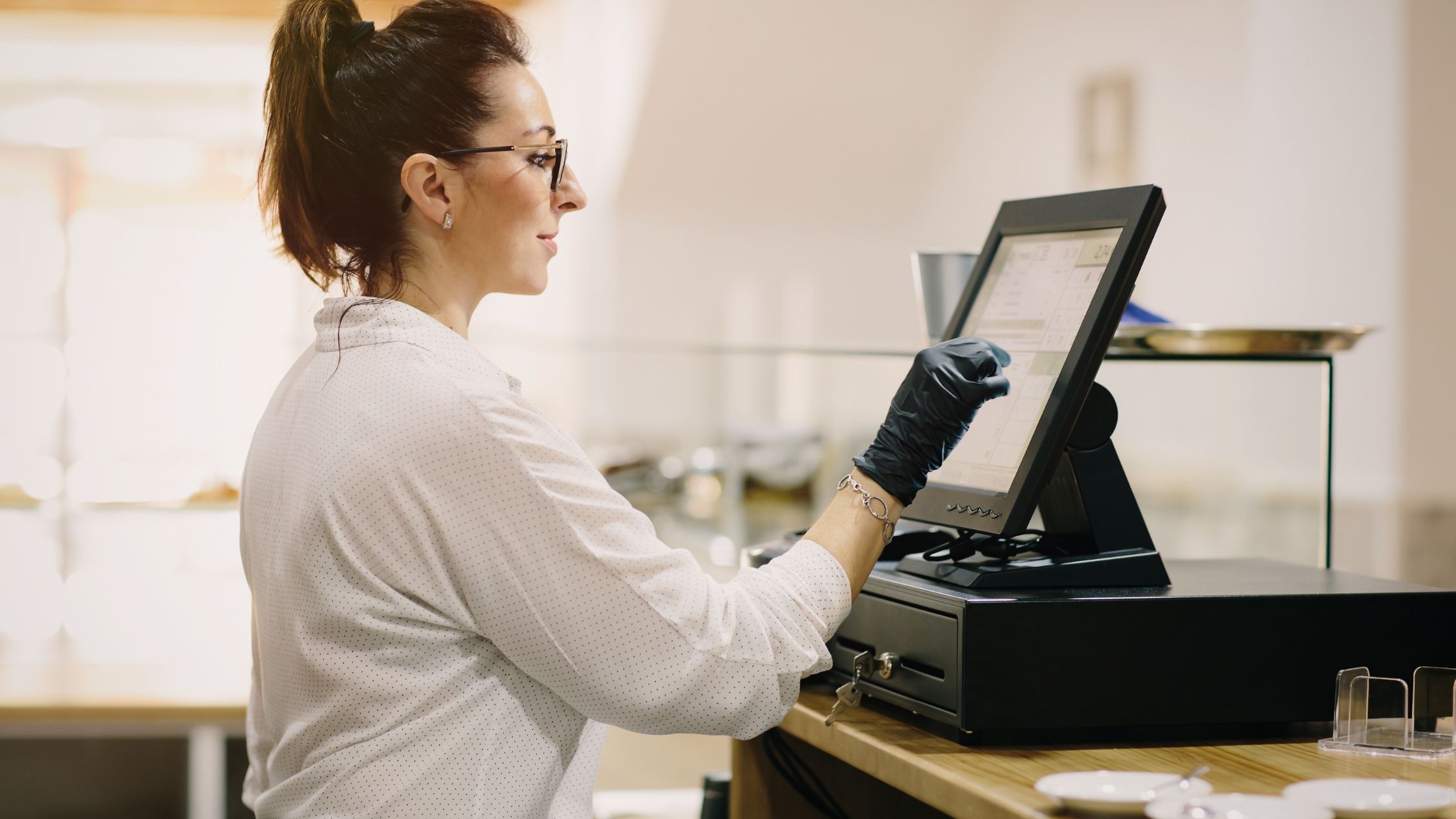
A restaurant runs smoothly only when its point of sale system supports speed, accuracy, and coordination. A well-structured pos setup guide helps restaurant owners connect terminals, kitchen displays, and printers into one reliable workflow. This guide explains how to complete a restaurant POS setup in a practical and structured way, focusing on real operational needs…

Self-Hosted POS: Built for QSR Speed

Quick service restaurants operate in fast, high-pressure environments where speed, accuracy, and system reliability directly impact daily revenue. Therefore, restaurant owners increasingly question cloud-dependent systems that rely on uninterrupted internet access. A self-hosted POS for QSRs works because it gives operators full control over operations, ensures consistent performance, and supports rapid service workflows. When restaurants…

Restaurant POS Custom Pricing Rules: That Protect Margins

Margins rarely disappear in one dramatic moment. Instead, they erode through small inconsistencies that repeat every shift. Therefore, restaurants must control how prices change when modifiers, portions, order types, or special conditions apply. However, many teams still rely on staff judgment for these decisions, which leads to uneven pricing and unreliable reporting. Consequently, building restaurant…

Restaurant POS Must Have Features for Faster Service

Speed defines restaurant success because guests expect quick ordering, accurate service, and smooth checkout. Moreover, service slows down when systems add friction instead of removing it. Therefore, a restaurant POS must support real-world workflows that help staff move faster while maintaining accuracy and control. This guide explains that the restaurant pos must have features that…

POS Data Ownership Explained for Restaurants

In today’s restaurant environment, data drives decisions, performance, and profitability. However, many operators still overlook who actually controls their operational data. POS data ownership defines whether restaurants retain authority over sales records, customer insights, inventory details, and operational reports. When restaurants understand pos data ownership clearly, they gain stability, transparency, and long-term control over their…

Streamline Restaurant Operations with Integrated POS Payments

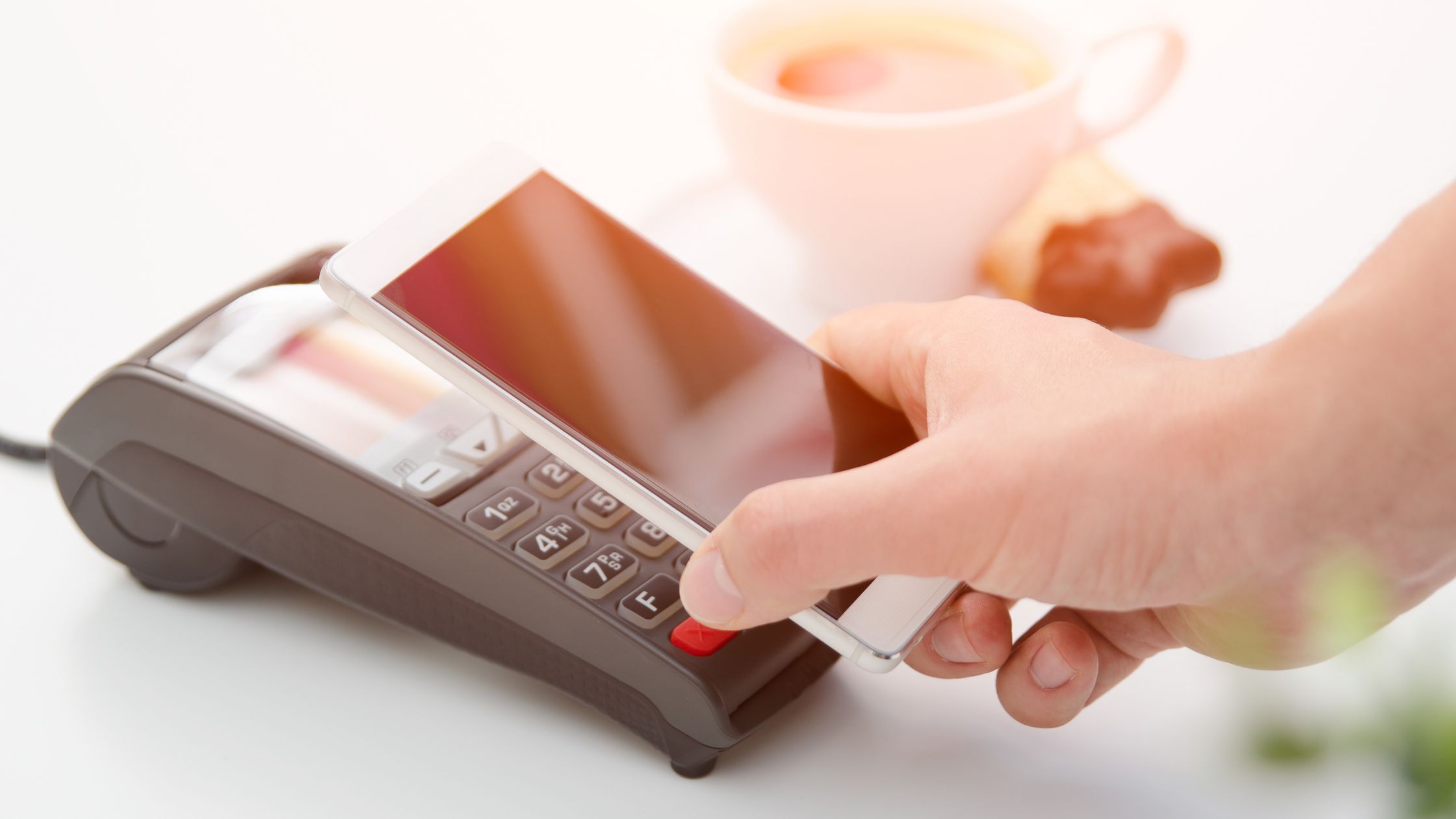
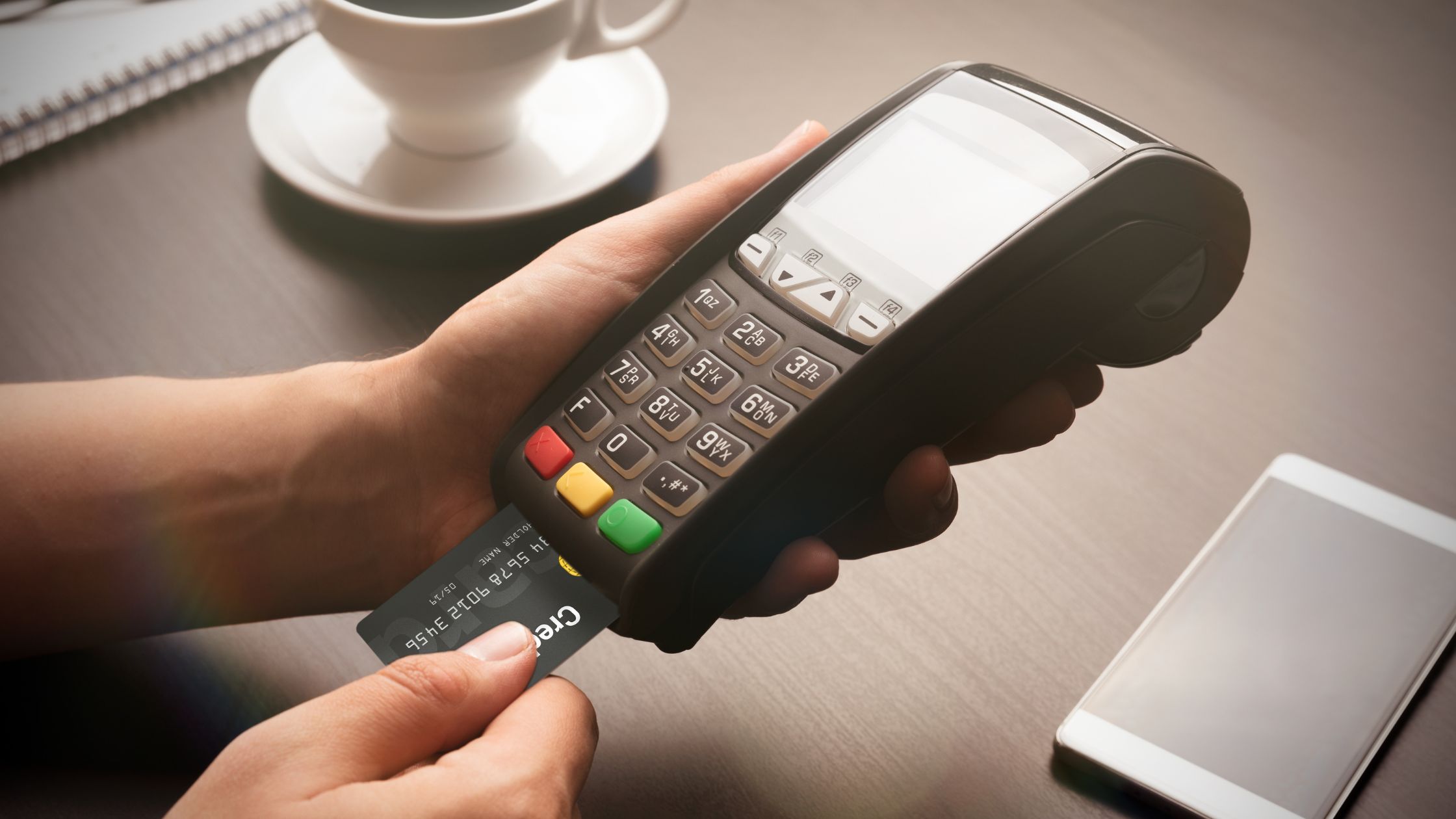
Running a restaurant means handling nonstop orders, split bills, rush-hour payments, and multiple staff shifts—all while keeping service fast. This is where a digital payment-integrated POS becomes essential. Instead of managing cash, cards, wallets, and reports across separate tools, an integrated POS brings everything into one system. A locally installed solution like Floreant POS combines…

Streamlining Restaurant Operations with POS Workflow Automation

Restaurants handle hundreds of small actions every day, from taking orders to coordinating kitchens and closing bills. Therefore, businesses increasingly rely on systems that remove repetition and reduce human error. Workflow automation with POS helps restaurants organize these actions into a single, predictable process. Instead of juggling separate tools, teams follow a unified operational flow.…