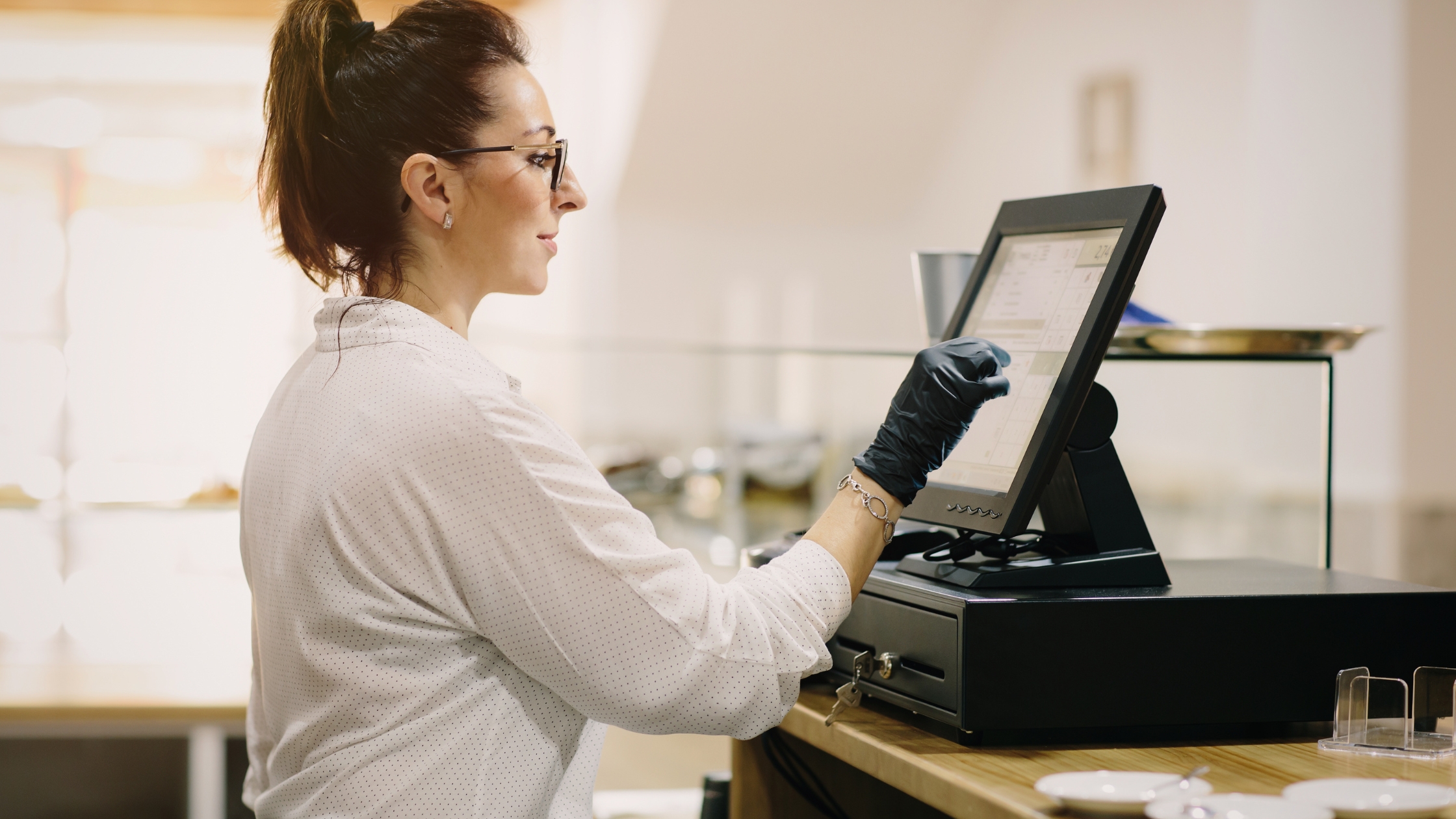
Restaurants in 2026 run on speed, accuracy, and a consistent guest experience from the first order to the final payment. Therefore, you need a system that keeps orders, payments, and kitchen flow organized even during peak pressure, staff changes, and sudden rushes. A modern POS supports that structure, so your team delivers reliable service, handles customizations smoothly, and closes checks faster while you protect margins. Moreover, the right setup helps you reduce avoidable mistakes and keep day-to-day operations predictable. That is why every restaurant needs a pos in 2026; it remains a practical, operations-first decision for most restaurant models.

Why Restaurant Teams Need POS Support Now
In 2026, restaurants will move faster and face higher expectations. Therefore, you need workflows that stay smooth during rush hours and mixed orders.
- Speed Under Pressure: Guests compare you to every brand they visit. Consequently, slow billing and missing items frustrate them quickly.
- Clear Custom Orders: Modifiers keep rising across dine-in, takeout, and counter orders. Therefore, a POS keeps tickets clean and consistent for the kitchen.
- Faster Staff Training: Teams change often, so training time stays limited. Moreover, a POS standardizes steps so the service stays stable.
- Smarter Decisions: You can’t manage food cost or staffing with guesswork. As a result, POS reporting shows rush windows and sales patterns.
In short, 2026 rewards restaurants that run on systems. Therefore, a POS reduces friction, protects margins, and keeps service reliable.
How POS Systems Strengthen Restaurant Operations
POS systems play a critical role in organizing modern restaurant workflows. Therefore, they help teams maintain accuracy, speed, and consistency across daily operations.
A) Centralized Order Management
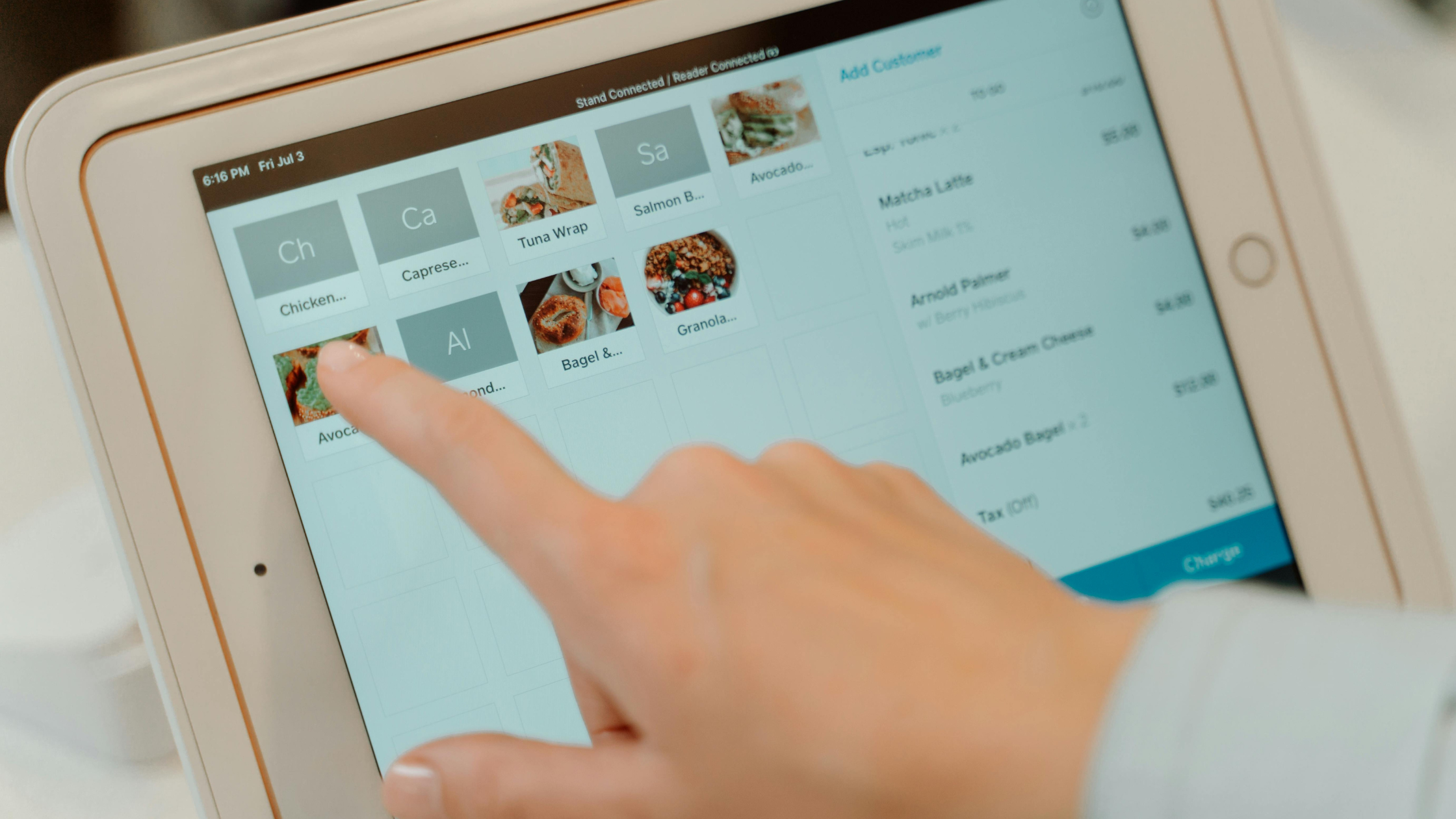
POS systems bring order entry, kitchen communication, and billing into one workflow on a single screen. Therefore, staff avoid miscommunication and delays during service even in peak rush. As a result, restaurants maintain smoother and faster operations with better consistency.
B) Improved Order Accuracy
POS technology captures customer requests digitally and sends them directly to preparation areas in real time. Consequently, kitchens receive clear instructions without manual errors or missing modifiers. This accuracy improves service consistency across all shifts and reduces remakes.
C) Real-Time Business Insights
POS systems generate live sales and performance data throughout the day as orders happen. Therefore, managers make informed decisions on staffing, pricing, and menu adjustments with more confidence. This visibility supports proactive management instead of last-minute reactions.
D) Inventory Cost Control
POS systems track ingredient usage as orders process through linked item counts. As a result, restaurants reduce waste and prevent unexpected shortages before service suffers. Additionally, managers plan to purchase more efficiently and avoid over-ordering.
E) Staff Performance Visibility
POS platforms record transaction and activity data automatically during every shift. Consequently, managers monitor performance, identify improvement areas, and maintain accountability with clearer evidence without micromanaging every small task.
POS systems transform restaurant operations from reactive to structured and predictable. Therefore, restaurants that rely on these tools operate more efficiently while preparing for future growth.
Why Manual Processes No Longer Work
Manual systems struggle to keep up with the speed, accuracy, and coordination that modern restaurant service demands.
i. Slow Order Transmission: Handwritten tickets delay communication and increase the risk of missed or misread orders during rush hours.
ii. Higher Error Rates: Manual entry leads to billing mistakes, incorrect modifiers, and inconsistent kitchen instructions.
iii. Disconnected Information Flow: Spreadsheets and separate tools prevent teams from accessing real-time operational data.
iv. Limited Visibility for Managers: Manual systems hide sales patterns, staff performance, and peak service trends.
v. Increased Staff Dependency: Operations rely heavily on individual memory and experience rather than standardized workflows.
As service pressure increases, relying on manual processes creates risk, while structured systems provide the consistency restaurants need to operate confidently. Learn more about Strengthen Restaurant Operations With POS Security.
The Operational Risks of Delaying POS Adoption
Delaying POS adoption increases operational risk across every part of restaurant service. Manual workflows struggle to handle rising order volume, customization, and speed expectations, which leads to frequent errors and service delays. As a result, teams spend more time correcting mistakes instead of serving guests effectively. Over time, this pressure affects staff morale and increases turnover.
Moreover, without a POS system, managers lack real-time visibility into sales trends, inventory usage, and peak service patterns. Consequently, decision-making relies on assumptions rather than data, which often results in higher food costs and inefficient staffing. These hidden inefficiencies gradually reduce profit margins.
Conclusion
Restaurants that plan to invest in systems that simplify operations and support growth. Therefore, understanding why every restaurant needs a POS in 2026 allows owners to move from reactive management to strategic control. POS systems improve efficiency, accuracy, and customer satisfaction while preparing restaurants for future challenges. Organizations like Floreant POS emphasize structured decision-making and technology-driven clarity to help restaurants operate with confidence and long-term stability.
Moreover, a POS gives you measurable visibility into sales, labor, and inventory, so you can improve performance with data instead of guesswork. As a result, your team runs smoother shifts, your guests experience faster service, and your business stays ready for whatever 2026 brings.

FAQs
1. Why is a POS system important for restaurants in 2026?
A POS system centralizes core operations, improves accuracy, and provides real-time insights. Consequently, restaurants operate more efficiently and consistently every day.
2. Can POS systems benefit small restaurants?
Yes. Small restaurants gain tighter control over orders, inventory, and staff while reducing manual errors significantly.
3. How does a POS system improve daily operations?
POS systems automate order flow, track sales, and simplify reporting quickly. As a result, staff focus more on service than administration on most shifts.
4. Do POS systems help restaurants prepare for growth?
Yes. POS systems scale with business expansion and support new service models smoothly without disrupting operations too much.