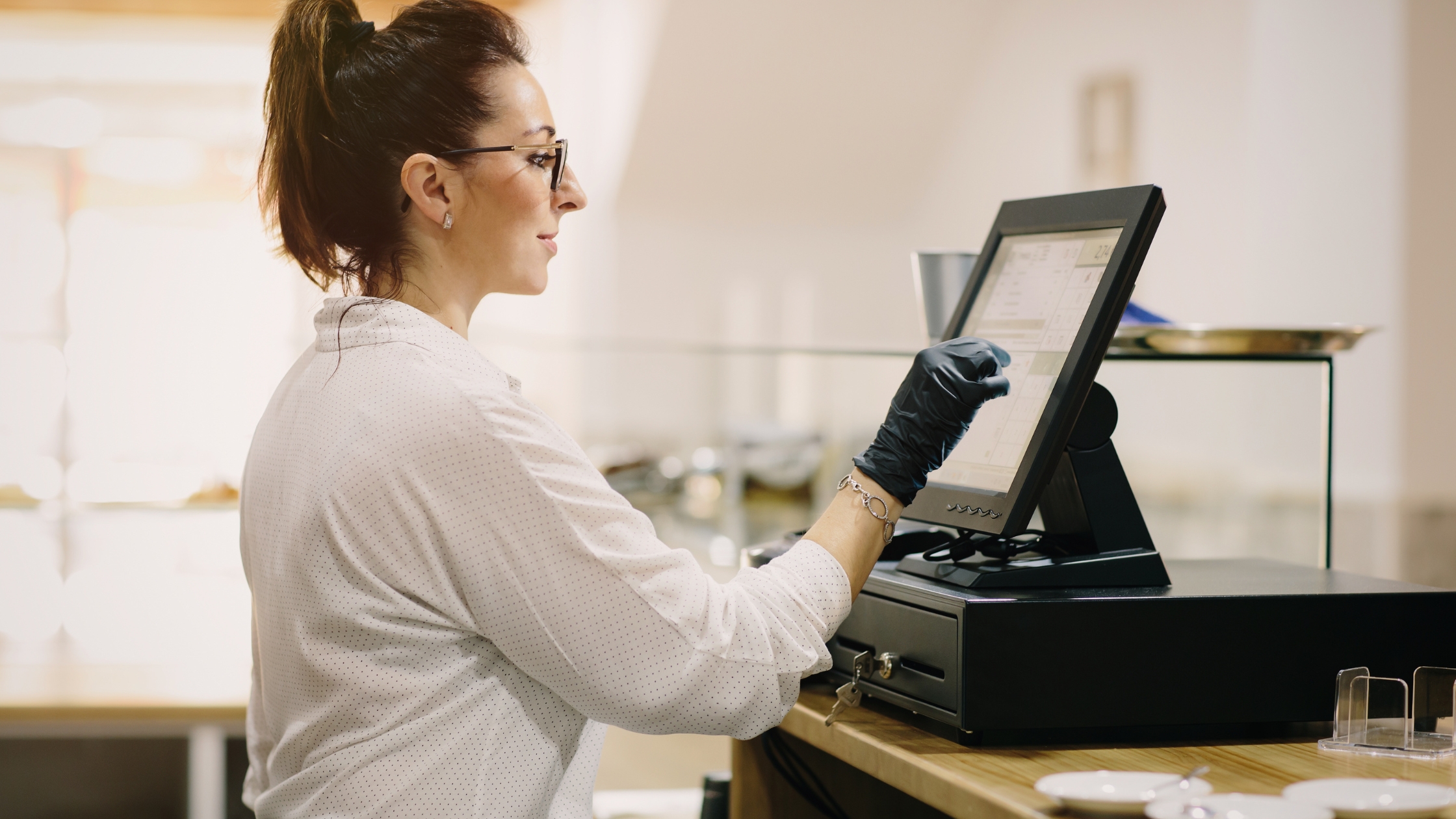
Rush hours punish messy menus. Therefore, you need a structure that keeps ordering fast, modifiers consistent, and pricing rules predictable. When you choose software to manage complex restaurant menus, you should focus on how the system builds categories, groups, items, and modifiers—because that hierarchy controls speed at the counter and clarity in the kitchen. Floreant POS supports a menu tree approach (categories → groups → items → modifier groups), so you can keep large menus organized while you still sell quickly.
Why Complex Restaurant Menus Break at the POS
Complex menus fail when teams improvise. First, staff click through scattered screens and lose time. Next, inconsistent modifier rules create wrong tickets and remakes. Additionally, unclear tax handling creates pricing confusion during checkout. Consequently, you need a menu structure that enforces logic while your team focuses on service.
A strong open source pos setup prevents “menu drift” because it standardizes how you build and display items. Moreover, a reliable free point of sale workflow protects speed when the line grows, because the terminal should support quick navigation and repeatable modifier behavior.
How to Structure Menus for Speed and Scalability
Treat menu design like information architecture by grouping items based on guest ordering habits rather than back office preferences. Use short, clear category names for easy scanning under pressure, and maintain a consistent layout pattern across screens to reinforce muscle memory. Here is how:
1) A Simple Hierarchy That Stays Clean
Use this structure and keep it consistent:
- Categories: Big buckets like Starters, Mains, Drinks, Desserts.
- Groups: Sub-buckets like Veg, Non-Veg, Kids, Combos.
- Items: The sellable dish or drink.
- Modifier Groups: Choice sets like “Choose Size” or “Add Toppings”.
Floreant POS arranges menu items using this tree-style logic. Consequently, your team finds items faster, and you scale the menu without turning the screen into noise.
2) Practical Rules That Prevent Menu Chaos
You should apply these rules before you add 200 items:
- Keep category names under 2–3 words, because scanning beats reading.
- Standardize size naming (Regular/Large), because staff should not guess.
- You should avoid duplicates across categories because duplicates slow search and cause errors.
- You should keep “Seasonal” items in one place, because you can disable them quickly later.
When you run software to manage complex restaurant menus with this structure, you reduce training time and increase order speed immediately.
How to Control Modifiers, Add-Ons, and Choice Rules
Modifiers create most POS mistakes, so you must control them tightly. For example, you should attach modifiers only where they matter, because not every item needs add-ons. Additionally, you should create modifier groups that match real questions, because staff complete orders faster when the system mirrors guest language.
A) Build Modifier Groups Like a Decision Path
You should design modifiers as a “decision path,” not as a long list:
- Required choices: “Choose Size” or “Choose Bread.”
- Optional add-ons: “Add Cheese” or “Add Extra Sauce.”
- Instruction modifiers: “Less Spicy” or “No Onion.”
Then, you should set clear limits, because limits prevent accidental over-customization. For example, you should allow “Choose any 1” for bread, while you should allow “Choose up to 3” for toppings.
B) Keep Pricing Logic Predictable
You should standardize add-on pricing, because inconsistent pricing triggers disputes at checkout. Additionally, you should use clean naming for paid extras, such as “Extra Cheese (+)” or “Double Chicken (+),” because staff should understand value instantly.
Floreant POS supports dependent sub-items and modifier groups, which helps you keep add-ons connected to the correct menu items. Furthermore, Floreant POS supports multiplier-style modifier pricing, which helps when you sell “extra” or “double” portions.

How to Handle Pricing and Taxes Without Confusion
Pricing complexity increases with dine-in, takeaway, delivery, and varying tax rules. Configure item-specific taxes for menus with different categories to maintain consistency and trust at the counter. Apply these standards:
- Keep base prices stable across locations and terminals, because guests notice variations.
- You should separate “combo price” from “single item price,” because the staff should not calculate manually.
- You should maintain one policy for rounding, because small inconsistencies create big arguments.
Floreant POS supports tax-included and regular sales tax handling, and it supports VAT-style handling as well. Consequently, you can map tax behavior to items without turning billing into manual math.
How to Keep Kitchen Output Clean and Consistent
A complex menu only works when the kitchen receives clean, readable tickets. Therefore, you should send modifier details as clear instructions, not as vague notes. Additionally, you should standardize how you name sizes, doneness, and custom requests, because the kitchen needs quick interpretation.
Floreant POS supports restaurant hardware workflows such as kitchen printer support, which helps you move tickets from the POS to the kitchen without friction. This same operational focus makes open source pos software valuable for teams that want control over how tickets print and how items appear across stations. Learn more about Restaurant POS Software With Source Access.
Keep Menus Under Control
You should treat source access like a governance advantage. First, you should document menu rules and naming conventions, because teams need a shared standard. Next, you should control who changes categories and modifiers, because “quick edits” often break pricing logic. Additionally, you should test changes before peak hours, because you protect revenue when you avoid surprises.
Moreover, Floreant POS emphasizes transparency by keeping the full source code accessible, so technical teams can audit, extend, and maintain the system without vendor lock-in. As a result, restaurants can adapt screens, receipts, roles, and operational rules over time, while protecting stability and continuity as the business grows.
Conclusion
If you want software to manage complex restaurant menus without sacrificing speed, you should build your menu as a controlled hierarchy, enforce modifier rules, and keep workflows reliable during real-world service pressure. Moreover, you should standardize naming, pricing, and tax behavior across every terminal, because consistency prevents errors and protects service rhythm during peak hours. Therefore, for an established open source pos and free point of sale option built for restaurant ordering and menu structuring, choose Floreant POS and review the project.