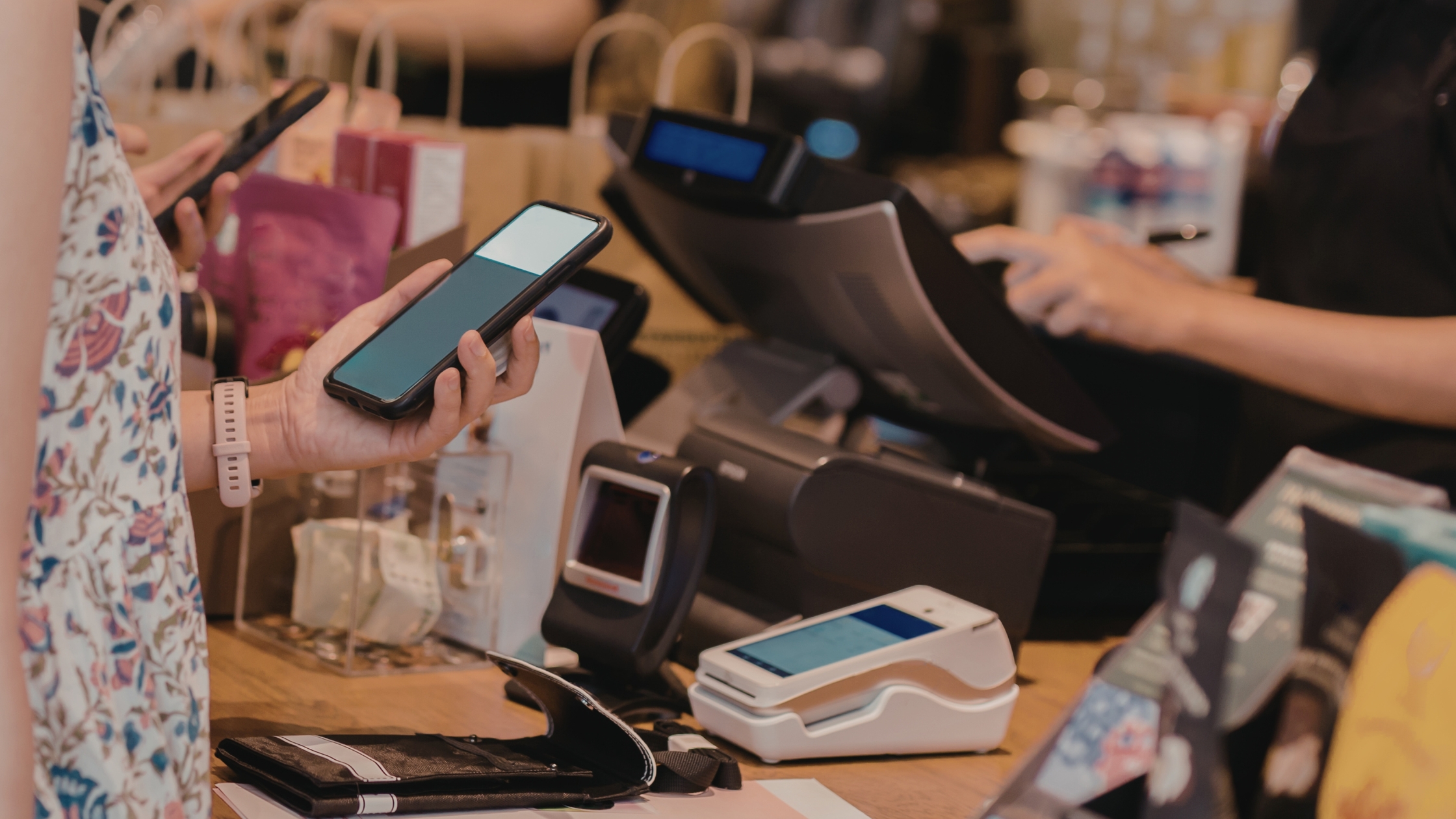
Restaurant operations depend on systems that perform consistently under pressure. Every order, payment, and report flows through the point-of-sale system. Therefore, selecting stable restaurant pos software becomes essential for maintaining service quality and operational confidence. A stable POS supports staff efficiency, protects revenue, and reduces daily friction across front- and back-of-house workflows. In fast-paced service environments, even minor system failures can ripple across the entire operation. For this reason, restaurants increasingly evaluate POS stability as a core operational requirement rather than a technical preference.

What Stability Means in Restaurant POS Systems
Stability in a restaurant POS system means predictable and uninterrupted performance during daily operations. A stable system processes orders smoothly, records transactions accurately, and behaves consistently throughout each shift. Key stability criteria include:
- Continuous operation during peak hours.
- Consistent order and payment processing.
- Accurate data storage across shifts.
- Reliable communication with the kitchen and peripherals.
- Predictable end-of-day reconciliation.
When these criteria align, restaurants experience fewer disruptions and better operational flow. As a result, teams work more confidently, and customers receive faster, more consistent service.
Common Operational Failures Caused by Unstable POS Systems
Unstable POS systems introduce friction into daily restaurant workflows. These failures often repeat during high-pressure periods.
1) Order delays and frozen screens. System lag often appears during busy hours. As a result, staff wait longer to place orders, and customers experience delays.
2) Missing or duplicated tickets: Poor synchronization causes kitchen confusion. Consequently, teams waste time clarifying orders or remaking dishes.
3) Interrupted payments: Transaction errors, slow checkout, and frustrated guests. Meanwhile, staff struggle to recover incomplete payments.
4) Peripheral breakdowns: Printer or cash drawer failures disrupt service flow. Therefore, manual workarounds increase mistakes and slow operations.
Together, these failures disrupt service rhythm and increase operational stress. Over time, repeated instability erodes staff efficiency, customer satisfaction, and daily revenue consistency.

The Role of Offline Functionality in Daily Restaurant Service
Restaurants often operate in environments where internet reliability is inconsistent. During service hours, even brief outages create operational risk. Offline functionality reduces that risk by allowing core POS functions to continue without interruption. During offline operation:
- Staff continue taking and sending orders.
- Receipts and tickets print normally.
- Payments queue for later processing.
- Data syncs once connectivity returns.
Restaurants benefit most when systems clearly track offline activity and automatically reconcile the data afterward. This approach prevents data gaps, protects financial accuracy, and restores normal operations without manual intervention.
Error Recovery and System Behavior During Failures
Even stable systems face occasional disruptions. Effective recovery depends on predictable system responses that protect daily operations.
- Clear error notifications: The system displays clear messages that explain the issue. Staff respond quickly without guessing or repeating errors.
- Data preservation during interruptions: The system retains active orders and transactions during failures. This protection prevents data loss and service gaps.
- Graceful task handling: The system isolates errors instead of freezing entirely. Staff continue serving while resolving specific issues.
- Fast operational recovery: The system restores normal operation without restarting workflows. Teams regain momentum quickly during service.
When systems recover calmly and consistently, restaurants maintain service continuity and operational confidence.
Managing High-Volume Hours Without System Disruptions
Peak service periods place sustained pressure on restaurant operations. During these hours, preparation, execution, and follow-up work together to determine service stability and staff performance.
I) Pre-Service Readiness
Teams begin by confirming that printers, cash drawers, and terminals respond correctly. They verify menu accuracy and pricing to avoid order corrections. Managers also confirm staff access permissions to prevent login delays.
II) In-Service Control
During active service, clear kitchen routing maintains order flow. Staff monitor voids and refunds to reduce financial discrepancies. Meanwhile, supervisors watch system responsiveness to detect issues early.
III) Post-Service Validation
After peak hours, teams review exceptions and adjustments for accuracy. They reconcile payments to confirm totals. Finally, managers identify recurring bottlenecks to improve future shifts.
When systems remain reliable across preparation, service, and review, restaurants maintain control during peak demand. This consistency reduces stress, limits errors, and helps teams deliver steady service even under pressure.
Daily Shift Transitions and POS Reliability
Shift transitions represent a critical moment in daily restaurant operations. During these handovers, staff logins change, cash responsibility shifts, and open tickets carry forward. A reliable POS system maintains continuity during this process by preserving order data, enforcing role permissions, and preventing transaction overlap.
When POS systems handle shift changes predictably, teams avoid confusion and accountability gaps. Clear session control, accurate tracking, and smooth handoffs help restaurants maintain operational flow while protecting financial accuracy and service consistency across shifts. Learn more about Trustable POS for Restaurants.
Hardware Compatibility and Its Effect on POS Reliability
POS stability depends on reliable hardware integration. Each component must communicate correctly with the software.
- Printers: Stable systems maintain consistent ticket formatting and connectivity.
- Cash drawers: Reliable triggering prevents checkout delays and accounting errors.
- Touch terminals: Responsive screens reduce order entry time and user fatigue.
- Connections: Direct and secure connections minimize communication failures during service.
When software supports common hardware configurations, restaurants reduce downtime and maintenance issues.

Conclusion
Choosing stable restaurant pos software directly impacts service consistency, staff confidence, and customer satisfaction. Floreant POS aligns with the operational stability outlined throughout this article by supporting offline operation, restaurant-specific workflows, and long-term system control. Businesses seeking dependable daily performance often pair Floreant POS support implementation with operational continuity. Together, they help restaurants maintain stability where it matters most—every single day.
FAQs
1. What defines stability in restaurant POS software?
Stability refers to consistent performance, reliable order handling, accurate reporting, and uninterrupted operation during daily service.
2. Why does offline capability matter for restaurants?
Offline functionality allows restaurants to continue operating during connectivity issues, protecting service flow and revenue.
3. How does POS design affect daily operations?
Clear design reduces training time, speeds order entry, and minimizes errors during busy shifts.
4. What role does reporting play in POS stability?
Accurate daily reports confirm data integrity, support reconciliation, and guide operational decisions.