Modern restaurants operate in fast-moving environments where speed, accuracy, and consistency define success. Therefore, restaurant owners actively seek systems that simplify order flow without adding technical complexity. Floreant delivers a practical solution by offering an open-source point-of-sale platform designed specifically for hospitality operations. Moreover, the system focuses on control, flexibility, and offline reliability, which supports uninterrupted service during peak hours. As a result, restaurants gain confidence in daily operations while maintaining full ownership of their data and workflows.

Floreant’s Role in Streamlining Restaurant Order Flow
Restaurants require systems that support speed, accuracy, and consistency across every service touchpoint. Therefore, understanding how Floreant fits into daily operations helps decision-makers evaluate its practical value.
- Floreant manages orders from the moment staff enter them until fulfillment complete, which reduces gaps between service and preparation. As a result, teams maintain a steady workflow without relying on manual coordination.
- The platform operates locally instead of depending on constant cloud connectivity, which improves stability and response speed. Consequently, restaurants continue operating smoothly even during internet disruptions.
- Floreant supports dine-in, takeout, and delivery orders within a single interface, which simplifies multi-service management. Therefore, staff avoid switching systems or duplicating tasks during busy hours.
- The system connects front-of-house and back-of-house processes through structured order routing. As a result, communication improves, errors decline, and service consistency increases.
Overall, Floreant reinforces operational control by unifying order handling, service flow, and kitchen coordination. Therefore, restaurants gain a dependable foundation that supports efficiency, accuracy, and scalable growth. Learn more about POS Training for Restaurant Staff.
How Floreant Enhances Daily Restaurant Operations
Restaurants require systems that support speed, consistency, and control throughout daily service cycles. Therefore, Floreant focuses on practical functionality that aligns technology with real operational demands while maintaining ease of use.
1. Streamlined Order Entry
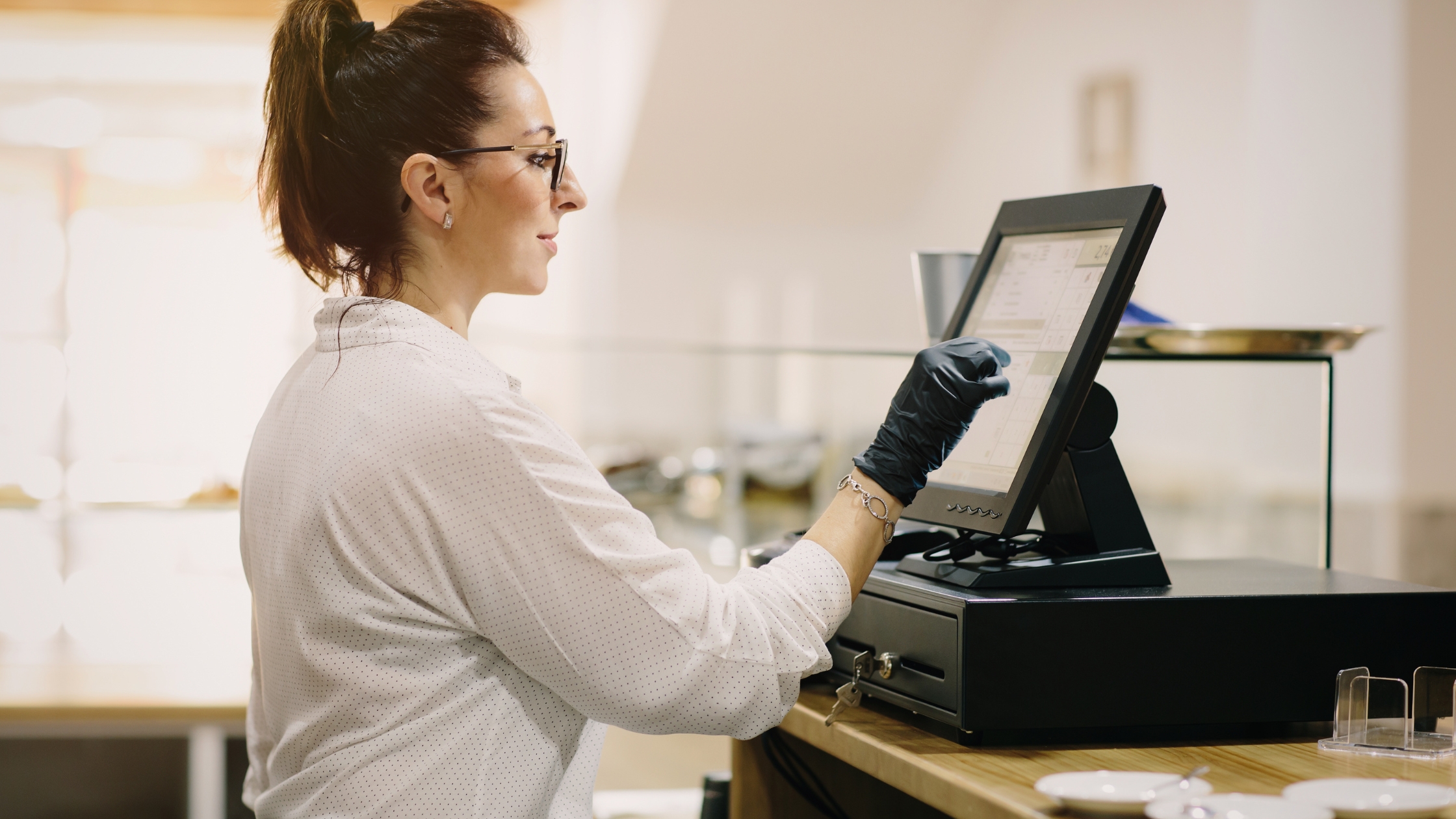
Floreant allows staff to enter orders quickly through an intuitive and clearly organized interface. As a result, order accuracy improves, and service delays are reduced during busy service hours. Moreover, the simplified layout shortens training time and minimizes input errors under pressure.
2. Reliable Offline Performance
The platform functions without constant internet access, which protects restaurants from operational disruptions. Therefore, teams avoid downtime during connectivity issues or unexpected outages. Additionally, daily workflows continue smoothly without dependence on external cloud systems.
3. Kitchen Order Coordination
Orders transmit directly to kitchen printers or digital displays based on configured rules. Consequently, kitchen staff receive clear instructions without verbal confusion or manual ticket handling. This structured flow improves preparation speed and maintains consistency during peak periods.
4. Flexible Payment Handling
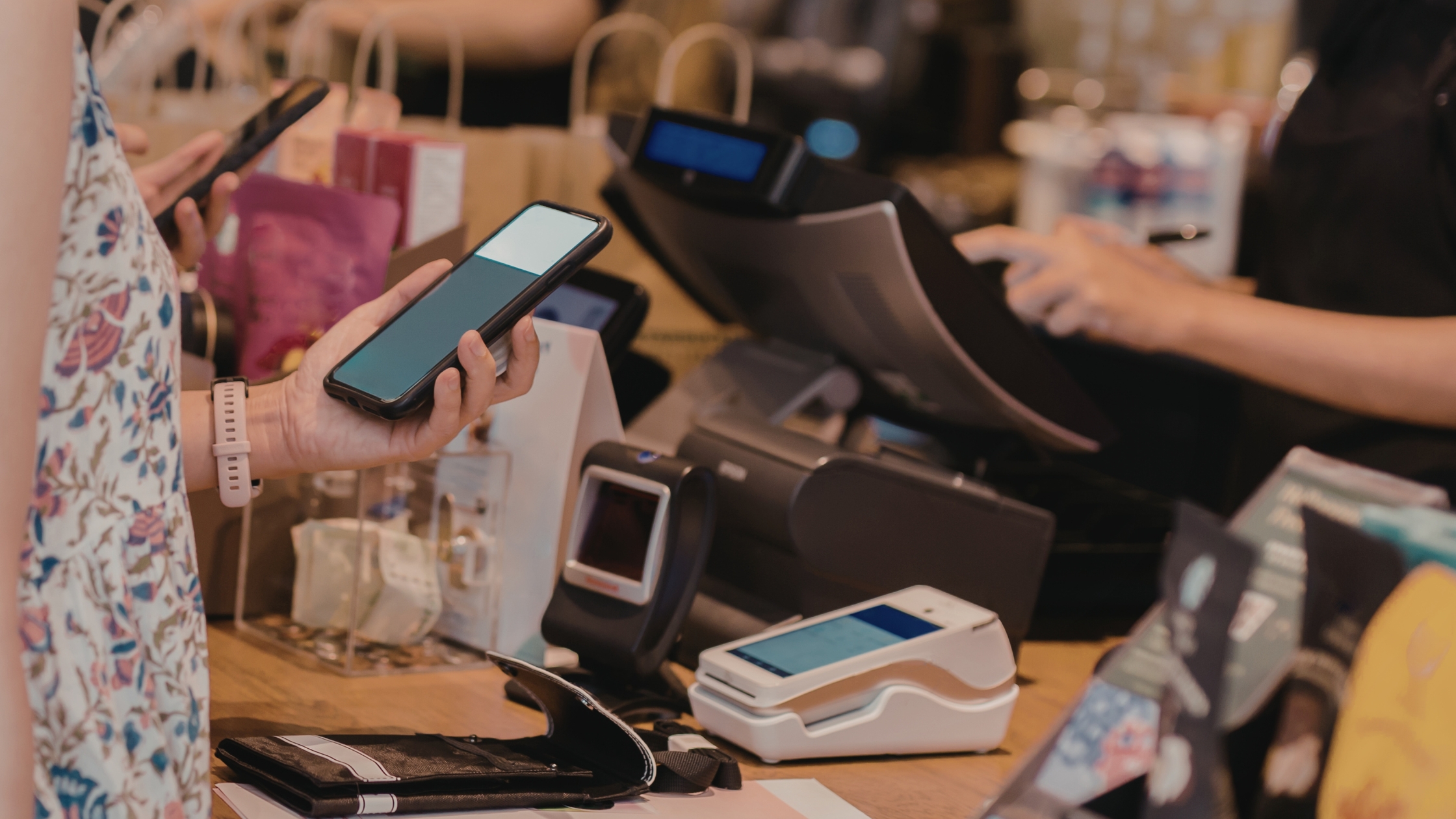
Floreant supports split payments, partial settlements, tips, and refunds within one system. As a result, staff manage varied customer requests with confidence and accuracy. Moreover, transparent payment tracking helps management maintain reliable financial oversight.
5. Customizable Open-Source Framework
The open-source framework allows teams to adjust features as operational needs evolve. Therefore, restaurants tailor workflows to match service models and internal processes. This adaptability supports long-term scalability without requiring system replacements.
Overall, Floreant strengthens daily restaurant operations by combining reliability, flexibility, and structured order management. As a result, businesses maintain service consistency while supporting growth and operational efficiency.

Functional Capabilities of the Floreant POS System
Restaurants depend on reliable tools that support daily service, management control, and operational visibility.
a) Table Management: Staff assign tables, monitor active tickets, and track guest status easily during service.
b) Menu Configuration: Managers update menus, pricing, and item availability without disrupting ongoing operations.
c) User Role Control: Admins define user permissions clearly to maintain accountability and protect system access.
d) Reporting Tools: Managers review sales data, performance trends, and summaries to guide decisions.
e) Hardware Compatibility: The system supports printers, cash drawers, and touchscreen devices reliably across setups.
Overall, these functional capabilities help restaurants maintain consistency, improve control, and support smooth service execution throughout daily operations.
Who Should Use Floreant’s Order Management System
The order management system Floreant suits restaurants that require stability, control, and flexibility in daily operations. Small to medium-sized restaurants, cafés, bars, and food trucks benefit most because the system supports fast order entry, kitchen coordination, and offline reliability. Moreover, businesses that manage dine-in, takeout, and delivery services within a single location gain efficiency by using one unified interface. As a result, teams reduce complexity while maintaining consistent service quality.
Floreant also works well for businesses that prefer long-term ownership over subscription-based tools. Restaurants with technical support resources or customization needs can adapt the system to match unique workflows. Therefore, operators who value data control, cost predictability, and scalable technology find Floreant especially practical.
Conclusion
The order management system Floreant provides restaurants with a dependable and flexible foundation for handling daily operations efficiently. By combining offline stability, customizable features, and restaurant-specific tools, the platform supports long-term operational control without recurring software costs. Moreover, this structure allows restaurants to scale confidently while maintaining consistency and accuracy across service workflows. For businesses seeking structured guidance, implementation clarity, and strategic support, Floreant POS offers insight that helps restaurants align technology decisions with operational goals and long-term growth plans.

FAQs
1. What type of restaurants benefit most from Floreant?
Floreant suits small to medium restaurants, cafés, bars, and food trucks that require reliable offline order management and consistent daily operations.
2. Does Floreant require monthly subscription fees?
No, Floreant operates as an open-source system without mandatory licensing or recurring subscription costs for core functionality.
3. Can restaurants customize Floreant features?
Yes, the open-source framework allows customization based on specific operational needs, workflows, and technical requirements.
4. Is the order management system Floreant suitable for high-volume service?
Yes, the system supports fast order entry and efficient kitchen coordination, which benefits high-traffic and peak service environments.