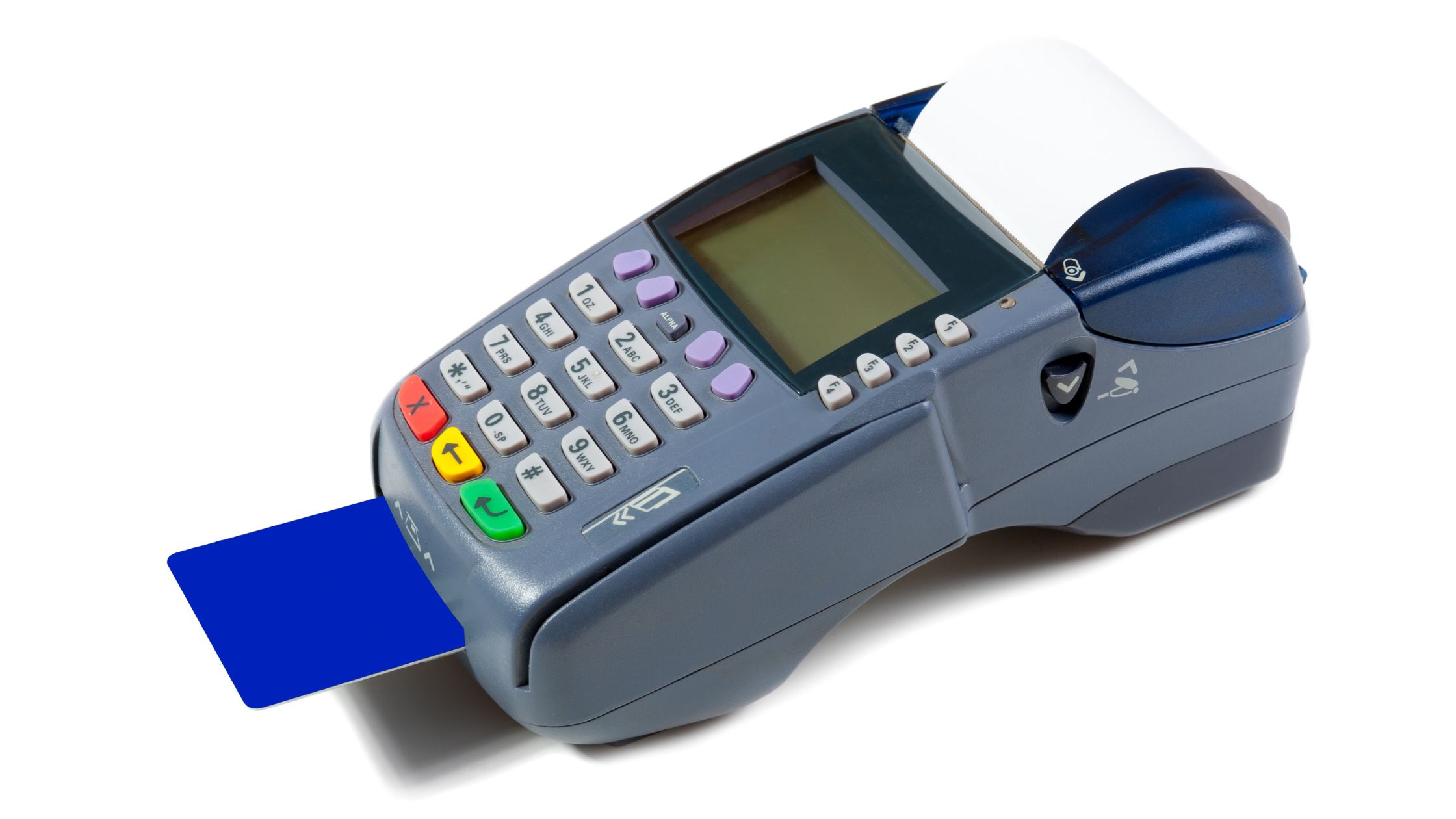
Quick service restaurants operate in fast, high-pressure environments where speed, accuracy, and system reliability directly impact daily revenue. Therefore, restaurant owners increasingly question cloud-dependent systems that rely on uninterrupted internet access. A self-hosted POS for QSRs works because it gives operators full control over operations, ensures consistent performance, and supports rapid service workflows. When restaurants manage their POS locally, they reduce operational risks and improve service consistency. This article explains why self-hosted POS systems align naturally with QSR demands.

Understanding the QSR Operating Environment
QSRs process a high volume of orders within short service windows. Therefore, systems must respond instantly without delays or interruptions. Cloud-based platforms often depend on stable connectivity, which introduces vulnerability during outages. In contrast, self-hosted POS systems process transactions locally, so performance remains stable even when networks fail. As a result, service flow stays predictable and customer wait times remain short.
Additionally, QSR teams experience frequent staff changes. Therefore, systems must remain intuitive and fast to learn. A self-hosted POS supports simple interfaces and immediate responsiveness, which helps staff complete orders confidently during peak periods.
Operational Demands That Shape QSR Systems
Quick-service restaurants operate under constant time pressure and high customer expectations. Therefore, system performance must align precisely with daily operational realities.
1. High Transaction Frequency
QSRs process a large number of orders within very short timeframes. Therefore, systems must respond instantly to avoid service slowdowns. Even small delays quickly increase queues and reduce daily revenue.
2. Peak-Hour Sensitivity
Lunch and dinner rushes create intense operational pressure for teams. As a result, POS speed directly influences service flow and accuracy. Any system lag immediately affects customer satisfaction levels.
3. Staff Turnover and Training Speed
QSR environments experience frequent staff changes across shifts. Therefore, systems must remain intuitive and easy to learn. Complex workflows slow service and increase operational errors.
4. Minimal Error Tolerance
Order mistakes waste inventory and lead to refunds, so POS systems need to ensure accuracy under pressure. Clear interfaces help prevent entry errors, while smart prompts and confirmation steps minimize mis-clicks and maintain order consistency.
5. Operational Consistency Across Shifts
Different shifts require identical service and performance standards. Therefore, systems must behave consistently at all times. Reliability ensures smooth operations regardless of staffing changes.
These operational demands define how QSR systems must function every day. Consequently, platforms that prioritize speed, consistency, and simplicity align more effectively with real-world QSR conditions.

Why Direct Control Improves Daily Operations
A self-hosted POS for QSRs gives restaurant owners full authority over system behavior, data access, and configuration. Instead of relying on third-party infrastructure, businesses manage updates, permissions, and workflows internally. Consequently, operators avoid forced changes that disrupt service routines. This control allows teams to maintain stable processes across shifts while adapting the system to real operational needs without external approval.
Moreover, direct control ensures complete data ownership. Sales records, tax information, and performance insights remain within the restaurant environment. Therefore, owners gain clearer visibility into operations while maintaining compliance and accountability. This transparency improves decision-making and helps leaders respond quickly to performance trends or operational gaps. Learn more about Quick Service Restaurant POS.
How Self-Hosting Strengthens QSR Operations
Self-hosting gives quick service restaurants greater operational control, consistent performance, and stability in environments where speed and reliability directly affect daily outcomes.
- Full Data Ownership: Restaurants retain complete control over sales and performance data, which improves visibility, security, and internal accountability.
- No Internet Dependency: Systems continue operating during network outages, allowing service to proceed without disruption during peak or high-pressure periods.
- Predictable Performance: Local processing eliminates cloud-related latency, ensuring fast response times across order entry, payments, and reporting.
- Operational Stability: Service remains uninterrupted during peak hours, which helps teams maintain consistent workflows and customer satisfaction.
- Long-Term Cost Control: Businesses avoid recurring subscription dependencies, which supports predictable budgeting and long-term financial planning.
Together, these advantages allow QSRs to operate with confidence, consistency, and control while reducing technical and financial uncertainty in daily service execution.
Workflow Features That Improve QSR Speed
These workflow features support fast-paced service by reducing friction at every stage of order handling, from entry to fulfillment and payment.
i. Fast Order Entry: Simple menu layouts and responsive screens reduce order entry time significantly.
ii. Efficient Modifiers: Clear modifier options help staff customize orders without slowing transactions.
iii. Instant Kitchen Routing: Orders reach preparation areas immediately, reducing communication delays.
iv. Quick Payment Processing: Streamlined payment flows shorten checkout time and improve customer throughput.
v. Error Reduction: Structured workflows reduce misorders and improve consistency during rush periods.
Together, these workflow elements help QSR teams maintain speed, accuracy, and consistency even during high-volume service periods.
Who Should Choose a Self-Hosted POS for QSRs
Quick service restaurants that prioritize operational control and reliability benefit most from a self-hosted POS model. Businesses that experience high transaction volumes, frequent rush periods, or unreliable internet connectivity gain stability by running systems locally. Additionally, operators who prefer predictable performance and consistent workflows across shifts find this model especially effective. These environments demand speed and uptime, which self-hosted systems support naturally.
This model also suits QSR owners who value data ownership and long-term cost control. Restaurants that want to avoid recurring subscription dependencies or external system restrictions benefit from managing their POS internally. Moreover, growing QSRs that plan to scale locations or customize workflows over time gain flexibility without disrupting daily operations.

Conclusion
A self-hosted POS for QSRs works because it delivers speed, control, and reliability in environments where consistency matters most. By eliminating internet dependency, protecting operational data, and supporting restaurant-focused workflows, self-hosted systems strengthen daily execution and long-term stability across shifts and service peaks. Moreover, this model enables predictable performance, clearer oversight, and operational confidence during high-volume periods. At Floreant POS, we recognize that locally managed POS solutions help QSRs maintain service quality, protect margins, and scale with confidence while preserving full operational control.