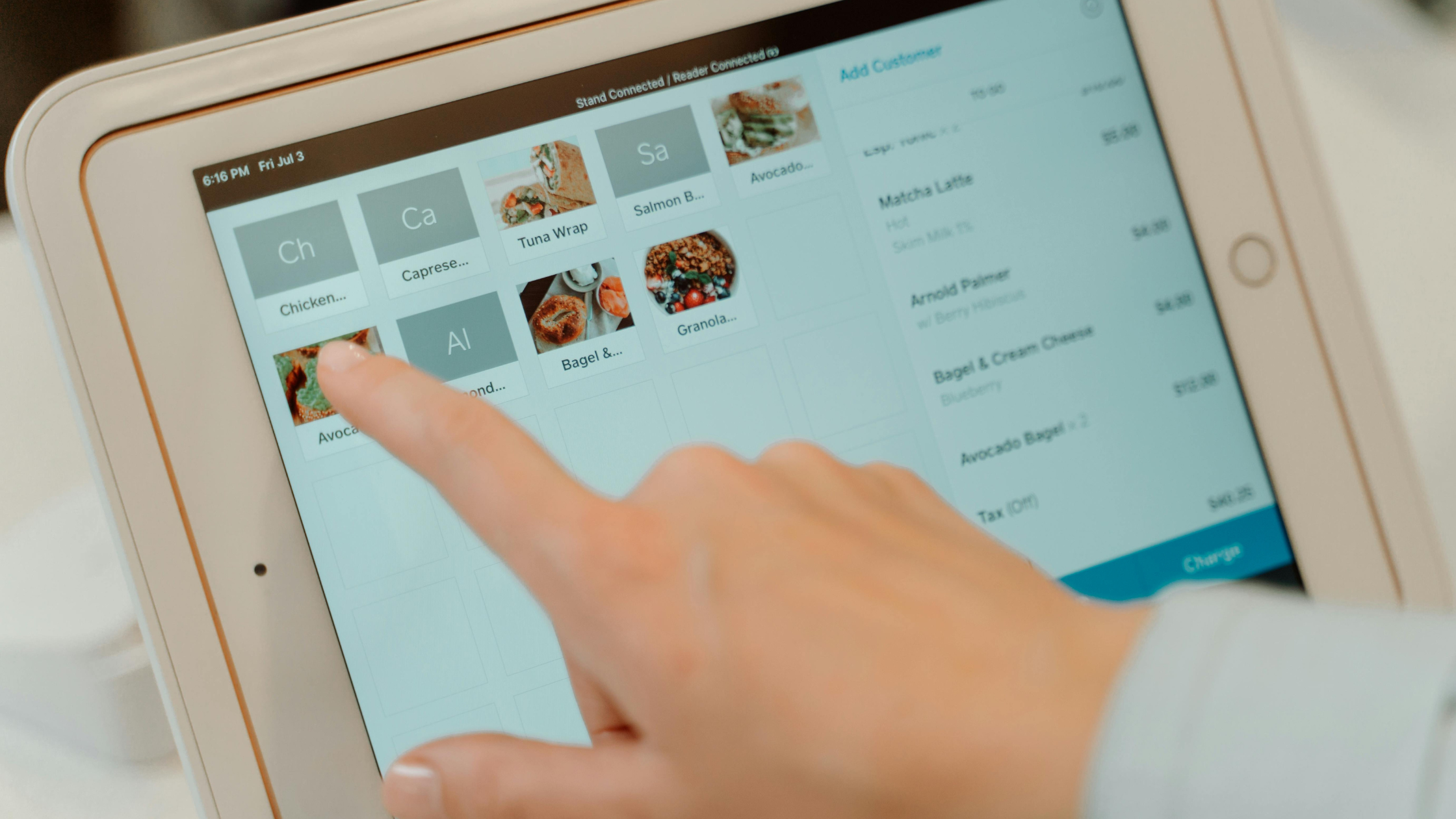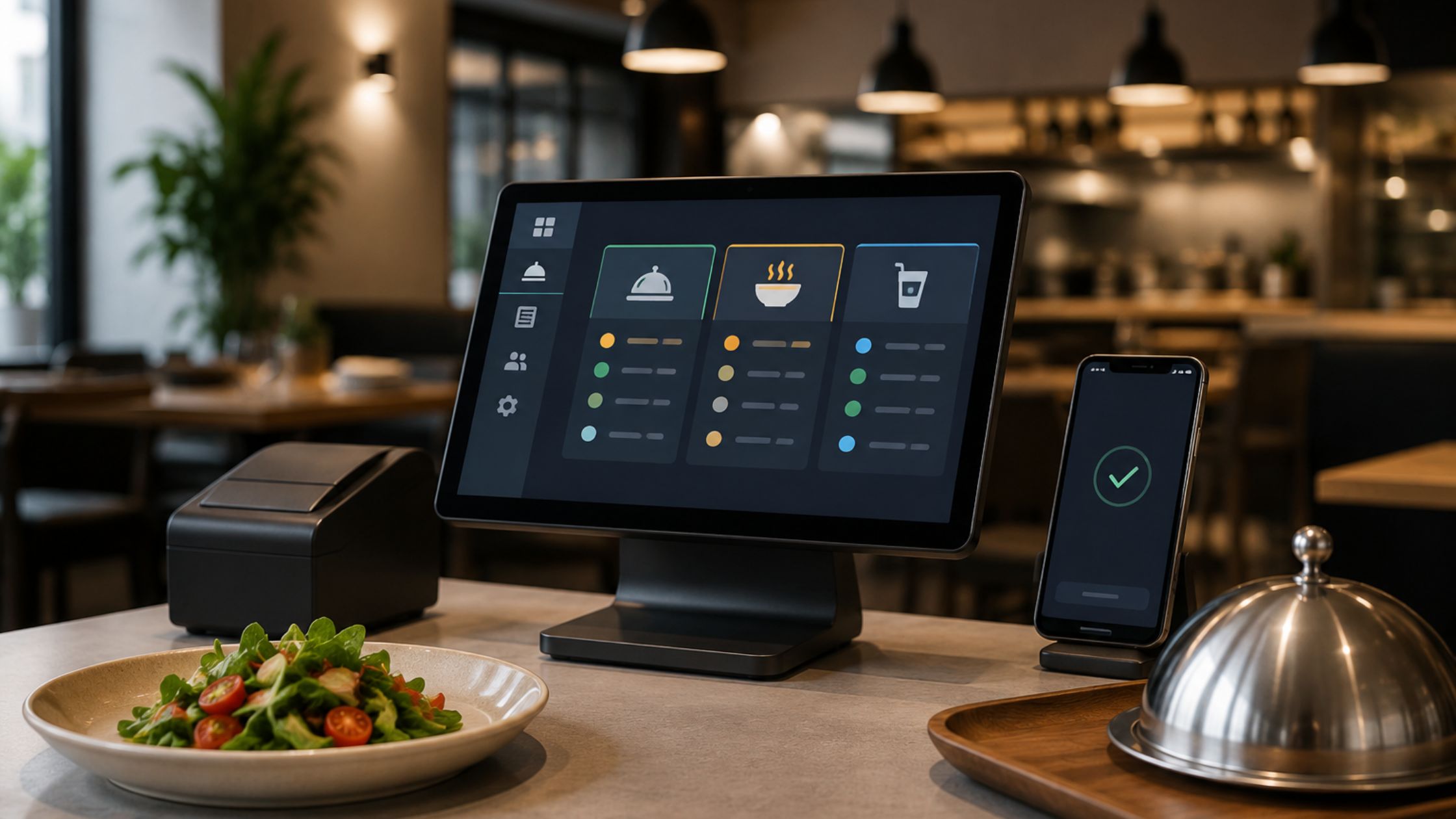
Point of Sale (POS) systems serve as the operational heart of many hospitality and retail businesses. They process orders, track inventory, and support financial reporting. Today, cloud-based POS systems enjoy popularity due to remote access and centralized data. However, many restaurant owners now question whether those benefits outweigh real operational risks. This article explores reliability issues with cloud-based POS platforms and highlights how a traditional, local solution like Floreant POS improves business continuity, performance, and control—especially during rush hours, outages, staffing gaps, and peak service pressure.

What Makes POS Reliability Critical for Restaurants
POS reliability means order data, payments, and sales analytics stay accurate. When a POS fails, restaurants can’t process orders, print bills, or track inventory. Consequently, businesses risk losing revenue and disrupting service flow.
Cloud-based POS systems depend on internet connectivity. While these systems offer real-time analytics and remote management, they introduce failure points because they route transactions through external servers. Therefore, if a network outage occurs, the restaurant may lose access to essential services.
In contrast, a local POS system operates independently of the internet. If connectivity fails, the system still functions because it stores and manages data locally. This setup minimizes disruptions and maximizes reliability during peak dining hours. Learn more about Open Source POS With Plugin Customization.
Core Reliability Issues with Cloud-Based POS Systems
Cloud POS systems depend on stable internet and vendor uptime, so outages can stop transactions and create sync errors. Moreover, recurring fees and vendor lock-in can raise long-term risk and limit flexibility, like:
- Network Dependency Risks: Internet dropouts can block logins, order entry, payments, and basic POS access.
- Third-Party Server Downtime: Sync failures after reconnecting can create duplicates, missing items, and wrong totals.
- Integration Reliability Gaps: Integration breakdowns can disrupt payments, online orders, loyalty, and delivery workflows.
- Cost and Vendor Lock-In Risks: Subscription fees and vendor lock-in increase long-term risk and switching friction.
Therefore, restaurants should prioritize offline continuity and full system control to protect service flow during peak hours.
How Floreant POS Solves Common POS Reliability Concerns
Floreant POS runs locally with an offline database, supports key restaurant features, works across platforms, and allows open-source customization that reduces vendor dependency and downtime.
- Runs offline with an embedded local database.
- Supports kitchen, tables, payments, and reporting.
- Works on Windows, Linux, Mac, and Raspberry Pi.
- Open-source customization reduces vendor dependency.
Therefore, Floreant POS keeps service running smoothly even when the internet or third-party systems fail.

Key Benefits of a Non-Cloud POS for Operational Stability
A non-cloud POS protects daily service because it keeps core operations stable, fast, and controllable, even when connectivity or third-party systems fail.
1. Offline Continuity
Floreant POS ensures uninterrupted service because it does not depend on external internet servers. When the network fails, the system keeps serving customers and processing transactions without delays or forced manual workarounds.
2. Faster Local Processing
Because all transactions occur locally, Floreant POS often processes orders faster than cloud alternatives, which introduce network latency. Responsive order processing improves customer satisfaction and reduces wait times.
3. Enhanced Control and Data Ownership
With Floreant POS, restaurants retain full control of their data. They don’t risk losing sales history due to cloud outages or corrupted synchronization — common complaints among cloud POS users during peak hours.
4. Cost-Effective Focus
Floreant POS is free and open-source, with no recurring subscription fees. Thus, restaurants avoid long-term costs and can invest savings into staff training, better equipment, upgrades, and smoother guest experiences.
Therefore, Floreant POS strengthens operational stability by preserving uptime, speed, data control, and budget flexibility across every shift.
Balancing Cloud Advantages with Local Reliability
Cloud POS solutions offer flexible remote access, centralized updates, and seamless multi-location management. For many multi-store chains, those features improve operational visibility. However, if internet dependency undermines basic service reliability, the advantages become less meaningful.
That does not mean cloud POS systems lack value. Instead, restaurants must weigh features against reliability risks. Businesses with frequent connectivity issues or high traffic peaks often prefer local or hybrid systems to maintain stability without sacrificing essential capabilities. Consequently, the best choice is the system that keeps orders moving even when the internet slows or drops.
Why Choose Floreant POS
Floreant POS runs offline, supports hardware integration, and offers open-source flexibility, so restaurants avoid cloud disruptions and maintain consistent, fast service.
- Runs independently of the internet for uninterrupted service.
- Open-source design supports customization and improvements.
- Integrates with kitchen printers and touchscreen terminals.
- Connects smoothly with cash drawers and POS hardware.
- Delivers consistent speed when reliability matters most.
Therefore, Floreant POS helps restaurants protect daily operations and stay in control, even during internet failures and peak-hour pressure.
Conclusion
Understanding reliability issues with cloud-based POS systems helps restaurant owners make smarter technology decisions. While cloud platforms provide convenient remote access, they also pose risks like network dependency and downtime. Floreant POS stands out by offering a reliable, offline, open-source solution that empowers restaurants to maintain smooth operations without recurring costs or internet reliance. For restaurants that demand uninterrupted service and full control, Floreant POS delivers stability, performance, and flexibility.

FAQs
1) What are the reliability issues with cloud-based POS systems?
Cloud POS systems depend on internet connectivity and external servers. Thus, outages or slow networks can interrupt transactions, reporting, and access to sales data.
2) Can a POS operate without the internet?
Yes. Locally installed systems like Floreant POS operate offline by default. They continue to process orders and store data even without internet access.
3) Is open-source POS as secure as cloud POS?
Open-source POS systems can be equally secure if properly configured. They offer complete data ownership and flexibility in security protocols, which many cloud systems restrict.
4) Does local POS cost more than cloud POS?
Local POS like Floreant POS is free to download and use. It typically requires investment in hardware only and avoids recurring subscription fees common with cloud platforms.