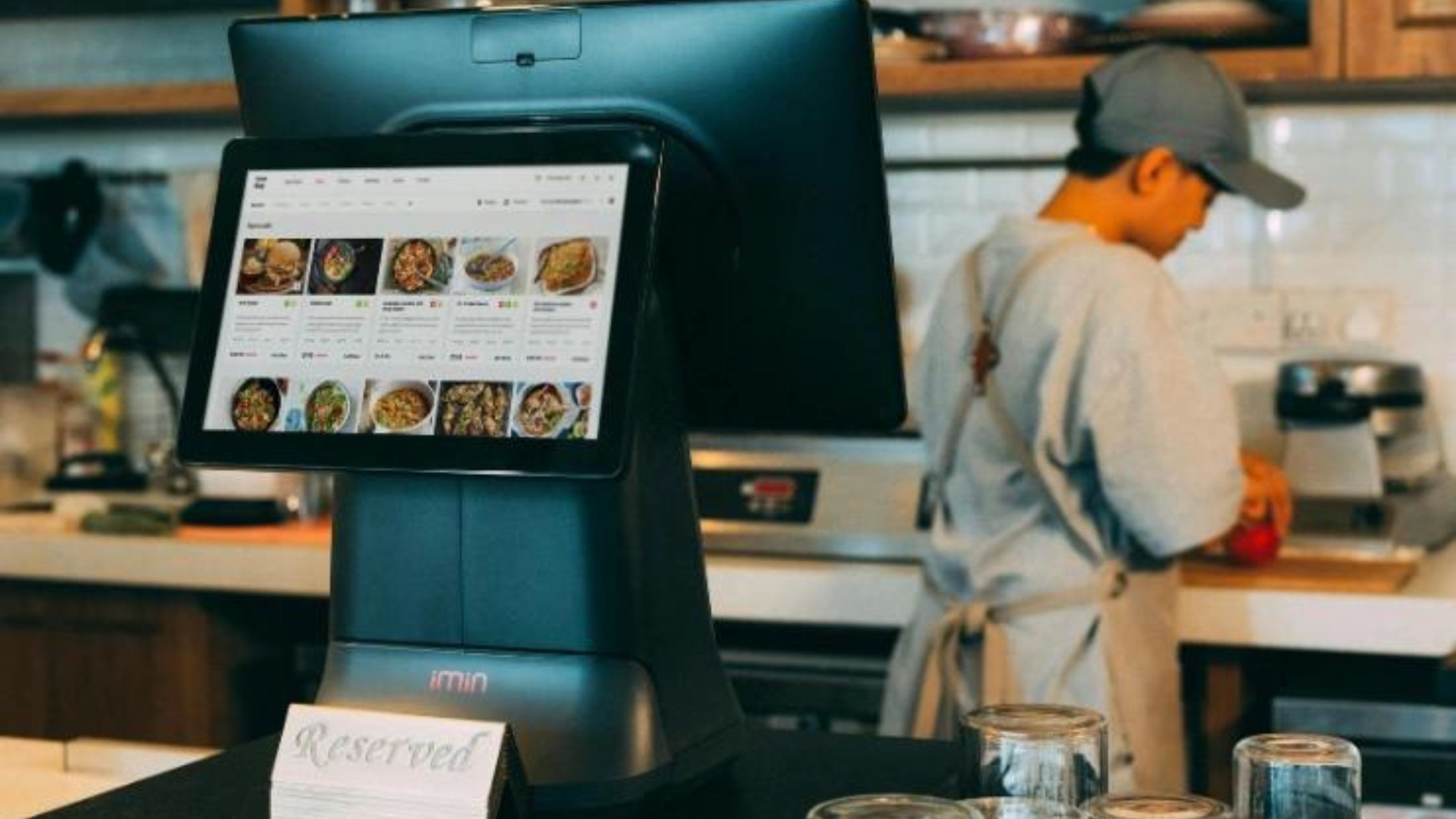
Ghost kitchens run very differently from traditional restaurants. They do not depend on dining rooms, table turnover, or front-of-house service. Instead, they depend on digital ordering, fast kitchen coordination, clear ticket flow, and reliable dispatch handling. That is why choosing the right POS system for gost kitchen operations matters so much. A ghost kitchen needs software that keeps orders moving, supports kitchen communication, and works reliably under pressure. Floreant is relevant here because it positions itself as a free, open-source. Non-cloud restaurant POS built to manage food, employees, kitchen activity, and different restaurant workflows.
Why Ghost Kitchens Need a Different POS Approach
Delivery-First Operations Change Everything
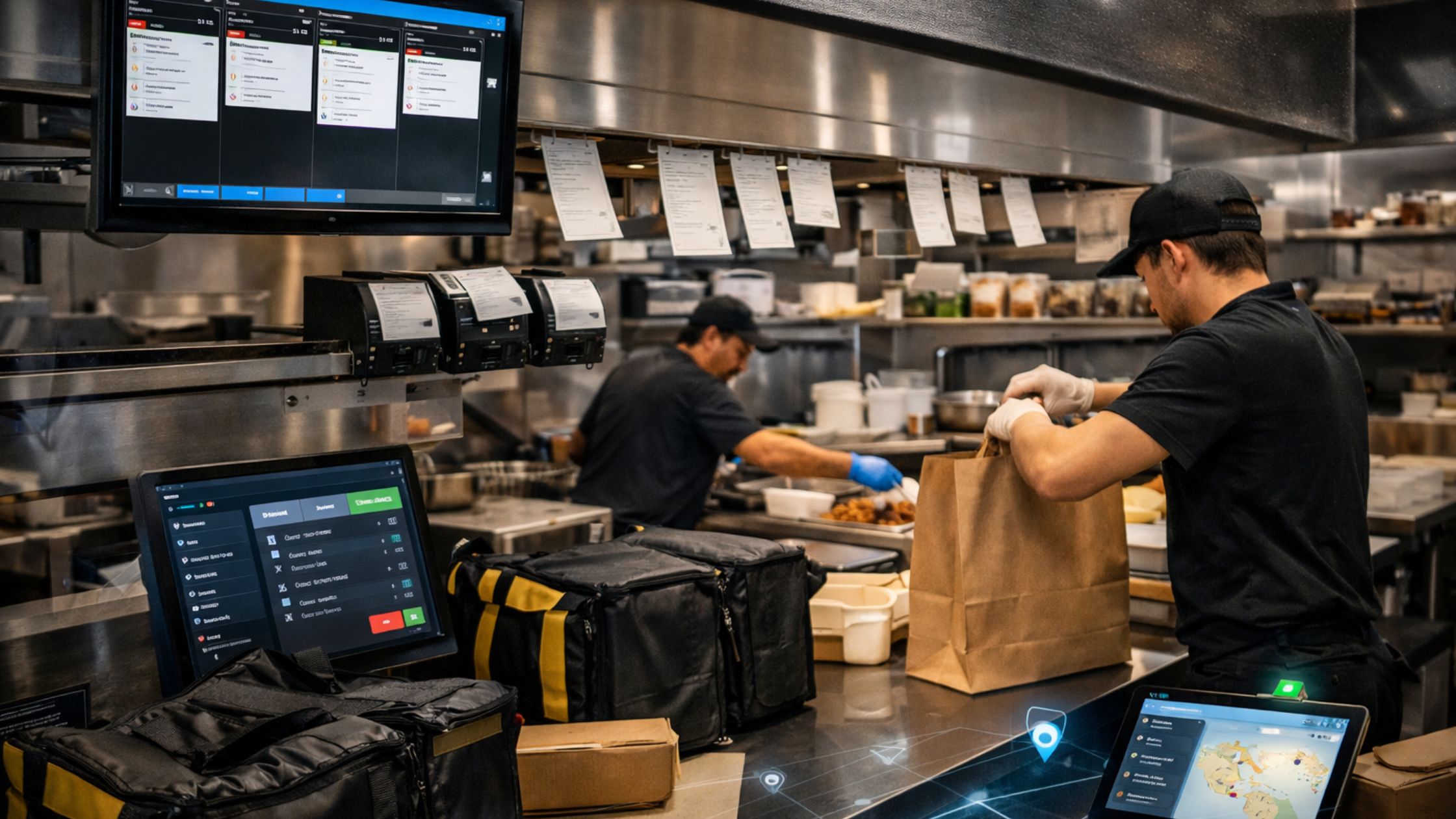
A ghost kitchen, also called a cloud kitchen or virtual restaurant, is built around delivery and pickup rather than dine-in service. That means the most important workflows are online ordering, kitchen production speed, packing accuracy, and order handoff. In this model, a slow or poorly organized POS can create mistakes that directly affect customer satisfaction and delivery performance.
Speed and Accuracy Matter More Than Fancy Extras
Because ghost kitchens often process many orders in a compressed time window. The POS must support simple order capture, dependable ticket routing, and clean back-office control. Floreant’s site repeatedly emphasizes order management, kitchen support, reporting, and restaurant-specific workflows, which is exactly the kind of operational focus a delivery-first kitchen needs.
What to Look for in a POS System for Gost Kitchen Setups
Reliable Kitchen Printing and Ticket Flow
A ghost kitchen cannot afford confusion between incoming orders and kitchen production. Floreant’s features page says the platform supports multiple kitchen printers by item group, kitchen chits, kitchen receipt templates, and fallback printing if a kitchen printer goes out of order. For ghost kitchens, that helps reduce delays and miscommunication when multiple menu items need to reach the right prep station quickly.
Flexible Order Types
Ghost kitchens may run one brand, several virtual brands, pickup service, or mixed delivery models. Floreant’s support documentation says the system lets users define custom order types rather than locking them into one fixed structure. It also explains that takeout and dine-in are common defaults, while custom order types can be created in back office settings. That flexibility is important for ghost kitchens that need workflows built around takeout, delivery, curbside pickup, or brand-specific fulfillment.
Offline Stability
Even delivery-driven kitchens need reliability when internet quality drops. Floreant describes itself as a non-cloud POS that runs offline and can be used in disconnected or remote environments. That is valuable because order preparation, local operations, and kitchen-side execution should not completely stop because connectivity becomes unstable.
Why Floreant Fits the Ghost Kitchen Model
Restaurant-Focused by Design
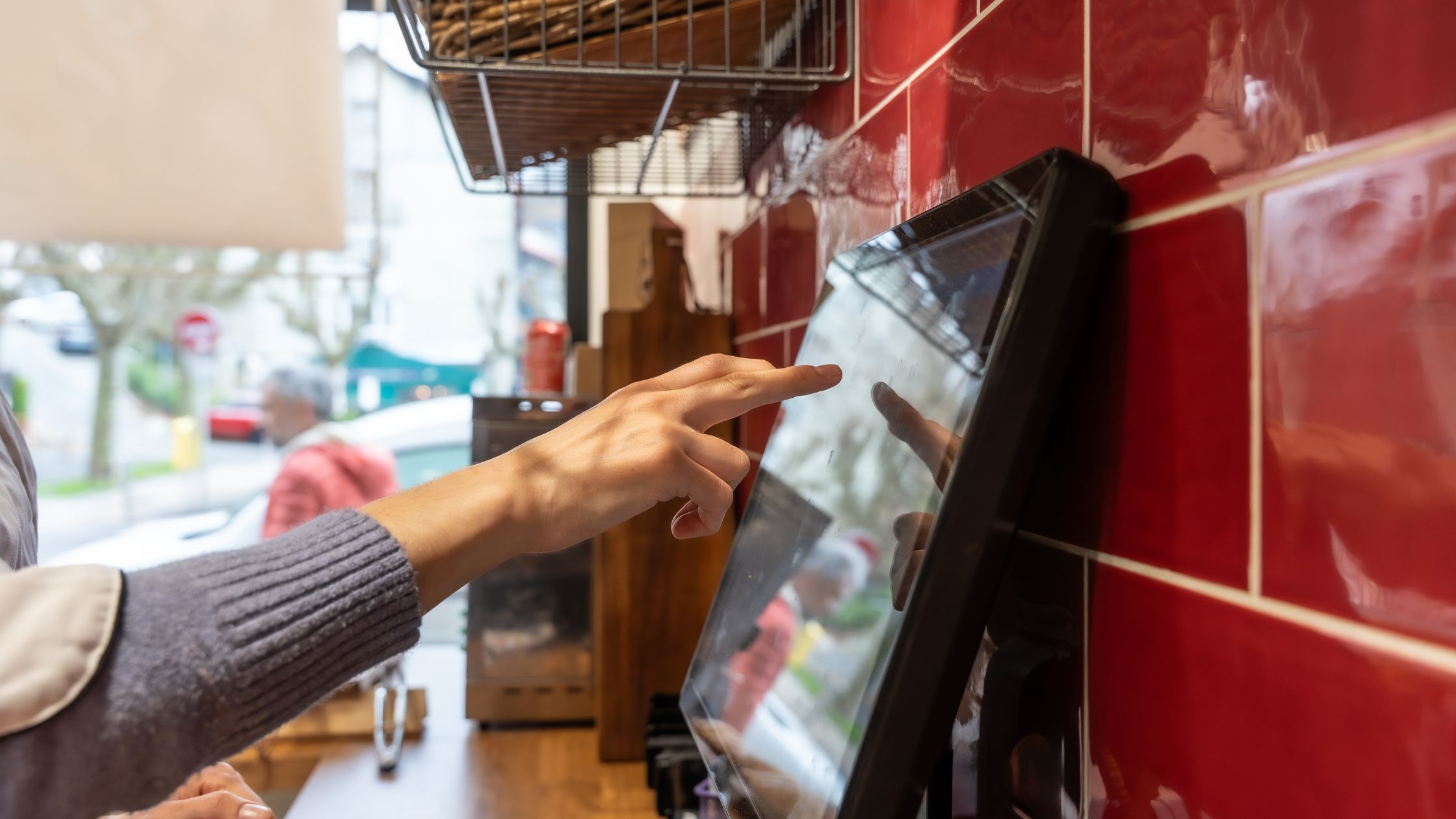
Floreant is not framed as a generic retail POS. Its homepage says it was designed with restaurant needs in mind and allows users to manage food, employees, kitchen, and tables in one place. Even though ghost kitchens do not use tables in the same way as dine-in restaurants. The deeper point is that the software is built around food-service logic rather than general checkout alone. That makes it a stronger fit for kitchen-led operations.
Open-Source Flexibility
One major benefit of Floreant is that it is free and open source. The features page says the software is distributed under MRPL 1.2 and allows users to modify, copy, and distribute it under the license terms. For ghost kitchens, that matters because delivery-first brands often want custom workflows, special integrations, or menu logic that closed systems may not support easily. An open platform gives more room to adapt the software to the business.
Low-Cost Operational Setup
Ghost kitchens usually care about lean cost structures. Floreant promotes a fast installation process, embedded database auto-configuration, and support for Windows, Mac, Linux, and Raspberry Pi. Its features page also notes that supported tablets can run the software with modest hardware requirements. That can help operators start with a more budget-conscious setup instead of being forced into expensive hardware bundles or subscription-heavy systems.
Features That Matter Most for Ghost Kitchens
Back Office Control
A strong POS system for gost kitchen workflows should help managers control pricing, menus, terminals, and reporting without extra friction. Floreant’s back-office tools let administrators configure store and terminal settings, manage menu items and prices, and generate sales and payroll-related reports. For ghost kitchens, that creates a cleaner operational base for managing multiple items, changing pricing, and tracking sales patterns.
Reporting and Performance Visibility
Ghost kitchens depend heavily on volume, timing, and efficiency. Floreant includes reports such as sales analysis, sales summary, productivity, hourly income, gratuity, and card transaction reporting. While every ghost kitchen will use these reports differently, having access to structured performance data helps owners make smarter decisions about staffing, peak-hour planning, menu mix, and operational bottlenecks.
Add-On Growth Path
Floreant also offers optional plugins and a paid PRO version. The site mentions inventory and floorplan plugins, and the homepage lists additional products such as delivery and inventory-related extensions. For a growing ghost kitchen, that means the platform can start lean and expand later as the business adds more complexity or wants more supported features. Learn more about Free Restaurant POS System.
How Floreant Supports Fast-Service and Takeout Models
Suitable for Quick-Service Workflows
Floreant’s takeout-oriented pages and support documents show that the platform already supports quick-service concepts. The support guide explains takeout as an order type where customers pay before food is served and tickets close immediately. While the features pages highlight mobile/tablet use and restaurant workflow flexibility. These are useful traits for ghost kitchens, where speed, immediate order processing, and prep coordination matter more than full dine-in complexity.
Built for Many Food Business Types
Floreant’s homepage lists restaurants, pizza shops, coffee shops, fast food operations, bars, food trucks, delis, bakeries, cafés, and kiosks among its business types. That suggests the platform is already designed to adapt across multiple food-service formats.
Which makes it easier to apply to ghost kitchen brands that may serve different cuisines or operate multiple virtual menus from one production space.
Who Should Consider This POS Model
A POS system for gost kitchen environments makes the most sense when the operator wants control, flexibility, and dependable kitchen-side execution. Floreant is especially worth considering for ghost kitchen founders, delivery-only food brands, and small multi-brand operators who want open-source freedom, offline operation, and restaurant-focused features without starting with a heavy recurring software burden. Its own blog archive also shows that Floreant is actively publishing around cloud kitchen productivity. Delivery-oriented POS value, and restaurant control themes, which aligns well with this use case.
Conclusion
Ghost kitchens succeed when operations stay fast, organized, and reliable. The right software should support digital order flow, kitchen coordination, back-office control, and growth without adding unnecessary cost or complexity. Floreant POS stands out because it combines restaurant-focused design, offline reliability, open-source flexibility, hardware freedom, and plugin-based expansion. If you are looking for a practical POS system for gost kitchen operations, Floreant is a strong option to explore for modern ghost kitchen management.