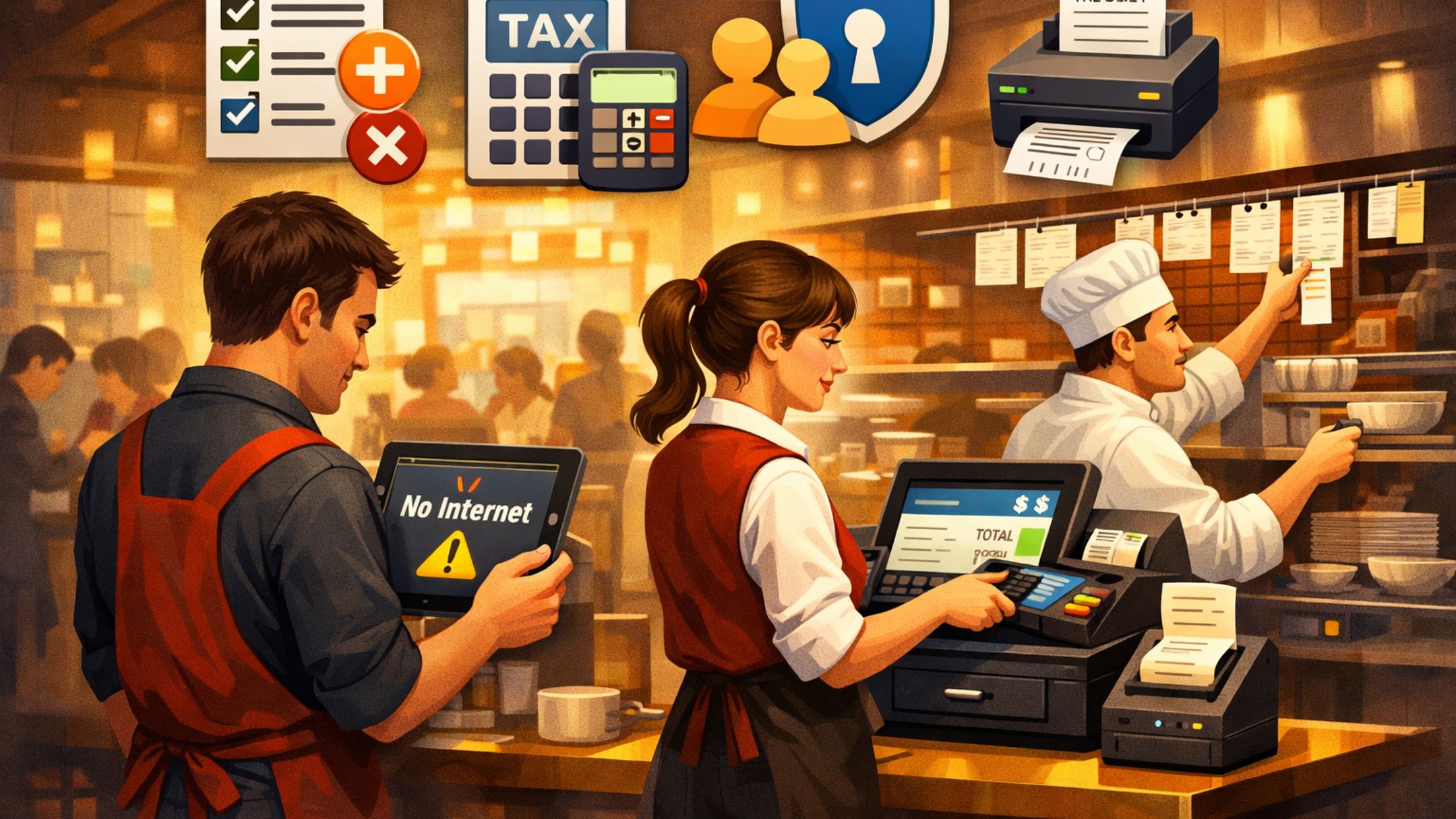
The modern food industry is constantly evolving, with a greater need for efficient and data-driven operations. To keep up, culinary operations autonomy software has become a key solution for restaurants, cloud kitchens, and food businesses. This software helps automate tasks, simplify kitchen management, and empower staff, giving them the tools needed to stay ahead. In this article, we’ll dive into the features, benefits, and real-world uses of culinary operations autonomy software, highlighting why choosing the right system is essential for the success of any food service operation.

The Importance of Culinary Operations Autonomy Software
In the fast-paced food service industry, kitchen staff, managers, and back-office teams need to work together smoothly. Culinary operations autonomy software bridges this gap by enabling more self-sufficient operations. By centralizing key functions like menu management, inventory control, order processing, and reporting, this software helps teams work more efficiently and independently. For example, chefs can access real-time inventory updates, kitchen orders, and even update menus without needing back-office assistance. This autonomy leads to faster decision-making, better efficiency, and smoother operations across both the kitchen and front-of-house staff. Learn more about Quick Service Restaurant POS.
Key Features of an Effective Culinary Operations Autonomy Software
When choosing culinary operations autonomy software, make sure it includes these essential features:
I. Inventory Management
Track ingredient levels in real-time, automate reordering, and integrate with the kitchen to reduce waste and ensure stock is always at optimal levels, keeping operations smooth. This prevents last-minute stockouts and helps control food costs with better visibility.
II. Menu Management
Allow kitchen teams to easily update menus, pricing, and specials instantly, making it easier to adjust for seasonality, promotions, or ingredient availability without relying on IT support. This agility keeps your offerings fresh and aligned with both demand and margins.
III. Order Routing & Kitchen Display Systems (KDS)
Automatically route orders to the correct kitchen stations, reducing errors and improving workflow for faster and more accurate order fulfillment. Clear digital tickets help teams stay organised, even during peak rush hours.
IV. Real-Time Reporting & Analytics
Get actionable insights into dish performance, sales, inventory use, and kitchen efficiency, helping managers make data-driven decisions to improve operations. Over time, these insights reveal patterns that guide smarter menu, staffing, and pricing choices.
V. Offline Capability
Keep operations running smoothly even with unreliable internet access. Especially useful for food trucks or remote locations, ensuring no interruptions in service. Orders and updates sync automatically once connectivity is restored, avoiding data loss.
VI. Customizability
Choose a platform that can be tailored to your specific needs, with the flexibility to integrate with other systems and adapt as your business grows. This ensures your software evolves with your concept instead of holding it back.
A well-rounded culinary operations autonomy software not only supports day-to-day tasks but also scales as your business grows, adapting to future needs.

How to Assess Your Kitchen’s Readiness for This Software
Before implementing culinary operations autonomy software, ask yourself these important questions:
- Workflow complexity: If tasks are scattered across sheets and apps, a unified system can centralize them.
- Staff access: If chefs and managers need to update menus or inventory themselves, give them direct software access.
- Offline needs: For food trucks or low-connectivity areas, choose software that works offline.
- Customisation & integration: If you’ll grow or add tools later, pick software that’s flexible and integrates well.
- Reporting: If you need real-time insight into inventory, waste, and costs, ensure strong reporting features.
By evaluating these factors, you’ll know if your kitchen is ready for culinary operations autonomy software and which solution best fits your needs.
Real‑World Benefits of Using the Software
Adopting culinary operations autonomy software offers clear and measurable benefits:
- Empowered Staff: Kitchen teams gain more control over tasks, reducing their reliance on management for routine updates.
- Improved Efficiency: Automating inventory tracking, order routing, and menu updates lets your team focus on what really matters—delivering quality dishes.
- Better Decision-Making: Real-time data and reports allow for faster decisions on restocking inventory, adjusting menus, and changing prices.
- Cost Control: Integrated inventory and waste management help minimize losses and keep food costs in check.
- Guest Satisfaction: Efficient kitchen operations and faster order fulfillment result in better customer experiences, leading to repeat business and positive reviews.
- Scalability: A flexible software solution makes it easier to scale to new locations or adjust workflows as your business expands.
These benefits showcase the value of autonomy in the kitchen and how culinary operations autonomy software can enhance performance across the entire operation.
Why Floreant POS is a Leading Open‑Source Solution for Culinary Operations
When it comes to culinary operations autonomy software. Floreant POS stands out as a powerful open-source platform that caters to various food service operations, from casual cafes to large-scale restaurants. Floreant POS excels in:
- Open Source Flexibility: Being open-source, it gives you the freedom to customize, extend, or integrate the system with other tools, providing complete autonomy.
- Comprehensive Features: It covers everything you need, including order management, menu updates, inventory tracking, and kitchen display systems—all within one platform.
- Offline Capabilities: Unlike many cloud-based solutions, Floreant POS operates offline, ensuring continuous service even in areas with poor internet access.
- Multi-Platform Support: Whether you’re using Windows, Linux, or macOS, Floreant POS is compatible with various operating systems.
- Scalability: Whether you’re managing a single location or multiple sites, Floreant POS adapts to your business’s growth.
Floreant POS’s open-source nature makes it a reliable, scalable, and adaptable culinary operations autonomy software, laying the foundation for streamlined kitchen management.

Conclusion
In today’s competitive food service industry, adopting culinary operations autonomy software is essential for streamlining workflows, minimizing errors, and empowering your kitchen staff. The open-source platform, Floreant POS, provides a flexible and scalable solution that caters to any kitchen. Whether you’re operating a single location or expanding to multiple sites. By improving autonomy and boosting operational efficiency, Floreant POS gives you greater control over your culinary operations, allowing you to focus on delivering outstanding guest experiences.