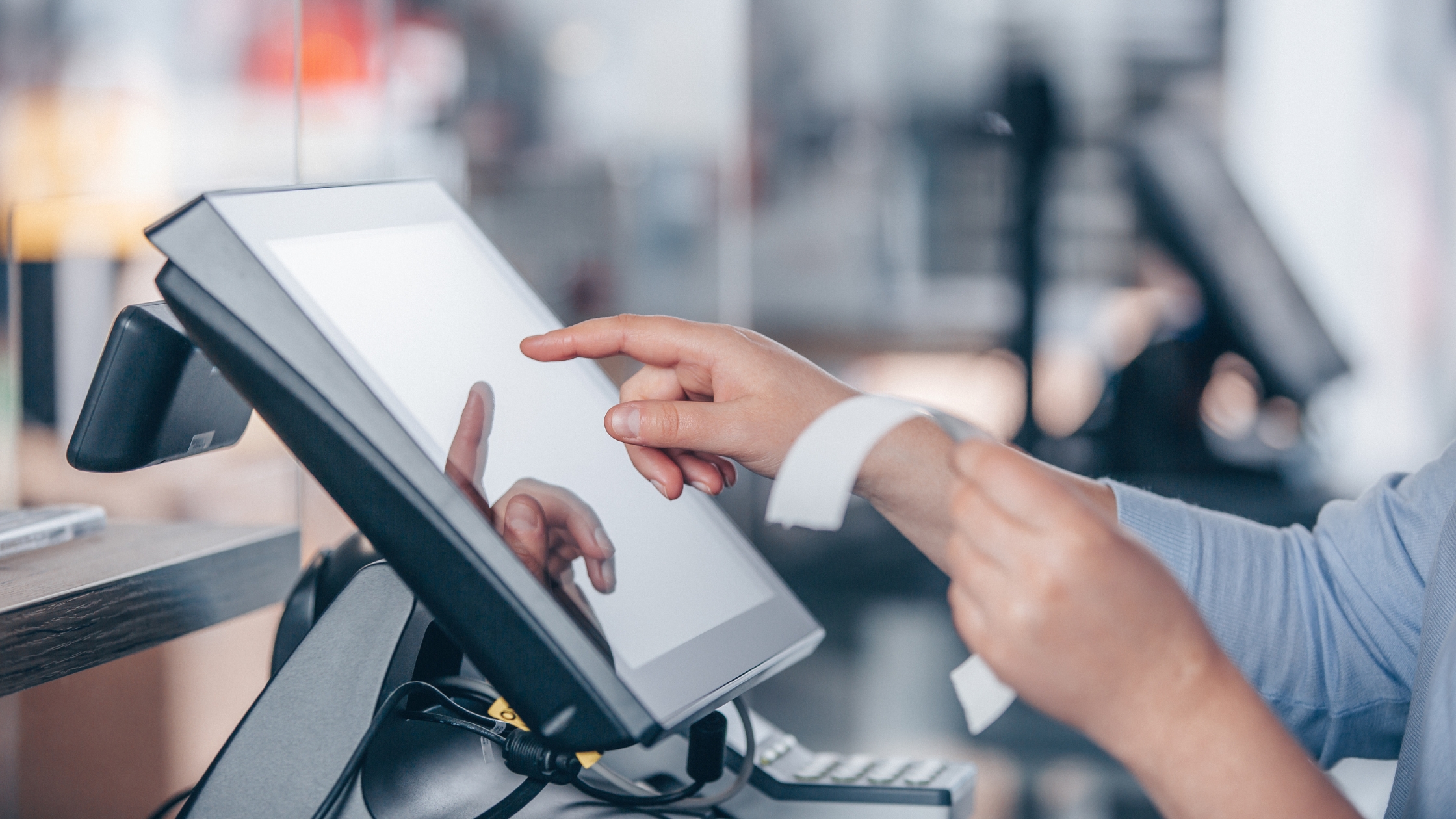
Restaurant profitability depends on careful cost control, especially in daily operations. Therefore, owners increasingly evaluate technology expenses that quietly reduce margins. A point-of-sale system plays a central role in operations, yet it often introduces recurring costs. As a result, many restaurants now explore alternatives that balance functionality with affordability. This shift explains how open-source POS saves thousands annually while supporting stable, efficient workflows. Moreover, open-source systems give operators greater control over expenses and system behavior. Consequently, technology becomes a long-term support tool rather than a recurring financial burden.

The Hidden Cost Structure of Subscription-Based POS Systems
Most proprietary POS platforms rely on subscription-based pricing models that lock restaurants into ongoing payments. Consequently, operators pay recurring fees for basic software access, system updates, and individual user licenses. Additionally, many providers apply extra charges for advanced reporting, integrations, or hardware compatibility. Over time, these layered expenses accumulate steadily and place increasing pressure on operational budgets. As a result, restaurants often spend far more on software than they initially expect. Furthermore, these costs scale upward as businesses grow and add terminals. Therefore, technology expenses increase even when revenue remains stable.
Moreover, vendor-controlled platforms frequently adjust pricing without offering flexibility or advance notice. Therefore, restaurants lose cost predictability and struggle with long-term financial planning. This uncertainty limits budgeting accuracy and weakens strategic decision-making. Ultimately, this structure turns technology into a recurring liability rather than a stable, supportive operational asset. Additionally, restaurants face limited negotiation power once systems integrate deeply into operations. Consequently, switching platforms becomes costly and operationally disruptive.
Open-Source POS Advantages That Protect Profit Margins
Restaurants protect profit margins by controlling recurring expenses and maintaining operational flexibility. Therefore, open-source POS systems offer structural advantages that directly support financial stability.
A) Elimination of Recurring Licensing Fees
Open-source POS systems remove monthly and annual licensing charges completely. Therefore, restaurants avoid long-term subscription commitments. This structure immediately reduces fixed operating expenses. As a result, profitability improves without operational compromise.
B) Greater Control Over Technology Expenses
Open-source platforms give restaurants full control over software usage. Consequently, owners decide when and how to upgrade systems. This flexibility prevents forced spending driven by vendors. As a result, technology costs remain predictable and manageable.
C) Reduced Dependence on Paid Add-On Features
Many proprietary systems charge extra for essential tools. However, open-source POS includes core features by default. This approach limits the need for paid extensions. Therefore, restaurants maintain functionality without rising costs.
D) Long-Term Savings Through Hardware Compatibility
Open-source POS supports a wide range of hardware devices. Thus, restaurants reuse existing printers and terminals. This compatibility reduces replacement and upgrade expenses. As a result, long-term operational costs decline steadily.
E) Stable Operations Without Vendor-Imposed Changes
Vendor-controlled systems often enforce updates or pricing shifts. Open-source POS removes this dependency entirely. Therefore, restaurants operate without sudden financial disruptions. This stability strengthens long-term planning and confidence.
Together, these advantages create a POS structure that supports sustainable profitability. As a result, restaurants gain financial clarity while maintaining consistent daily operations.

Operational Strengths for Cost-Efficient Restaurants
Restaurants benefit most when technology supports efficiency without increasing complexity. Therefore, open-source POS systems provide operational strengths that align with long-term cost control.
1) Cost Savings Without Subscriptions
Open-source POS systems allow restaurants to operate without recurring software payments. Therefore, owners retain more revenue from daily transactions. This structure improves budget predictability over time. As a result, financial pressure decreases across operations.
2) Offline Reliability During Outages
These systems operate locally and do not rely on constant internet access. Consequently, restaurants avoid service interruptions during outages. Staff continue processing orders without delays. Therefore, daily revenue remains protected consistently.
3) Hardware Flexibility & Reuse
Open-source POS platforms support a wide range of existing hardware devices. Thus, restaurants reuse printers, terminals, and cash drawers. This flexibility prevents unnecessary equipment upgrades. As a result, long-term capital expenses remain lower.
4) Full Ownership & Control
Restaurants gain full control over system configuration and data access. Consequently, they avoid vendor-imposed changes or forced upgrades. This independence supports stable long-term planning. Therefore, operational confidence improves steadily.
Together, these strengths create a reliable and cost-efficient operational environment. As a result, restaurants maintain consistency while protecting long-term profitability. Learn more about POS with Contactless Payment.
Cost Pressures Created by Subscription POS Models
Subscription-based POS systems introduce recurring financial obligations that quietly affect long-term profitability.
I. Ongoing License Fees: Restaurants pay continuous charges that steadily increase total software costs.
II. Paid Feature Access: Essential operational tools often require add-on payments beyond base subscriptions.
III. Unpredictable Price Changes: Vendors adjust pricing structures without offering long-term cost stability.
IV. Limited Budget Control: Recurring fees reduce flexibility in financial planning and cost forecasting.
V. High Switching Barriers: Deep system dependence makes changing platforms costly and operationally disruptive.
Together, these pressures turn POS software into a persistent expense rather than a controllable operational resource.
Conclusion
Restaurant success depends on reducing hidden costs while maintaining operational reliability. Open-source POS systems address this challenge by eliminating licenses, supporting offline workflows, and extending hardware usability. Over time, these advantages translate into measurable financial savings. For organizations evaluating technology decisions with clarity and structure, Floreant POS provides informed guidance that supports confident, cost-aware choices. Moreover, informed technology selection strengthens long-term operational resilience. As a result, restaurants gain greater control over both costs and performance.
FAQs
1. How does open-source POS reduce restaurant expenses?
Open-source POS eliminates licensing fees and reduces hardware replacement costs. Therefore, restaurants save consistently year after year.
2. Is open-source POS reliable for busy restaurants?
Yes, open-source POS systems operate offline and handle high transaction volumes. As a result, service remains uninterrupted during peak hours.
3. Does open-source POS limit functionality?
Open-source POS includes core features like reporting, order management, and customization. Therefore, restaurants retain full operational capability.
4. Can open-source POS support restaurant growth?
Open-source platforms allow expansion without per-terminal fees. Consequently, restaurants scale operations without increasing software costs.