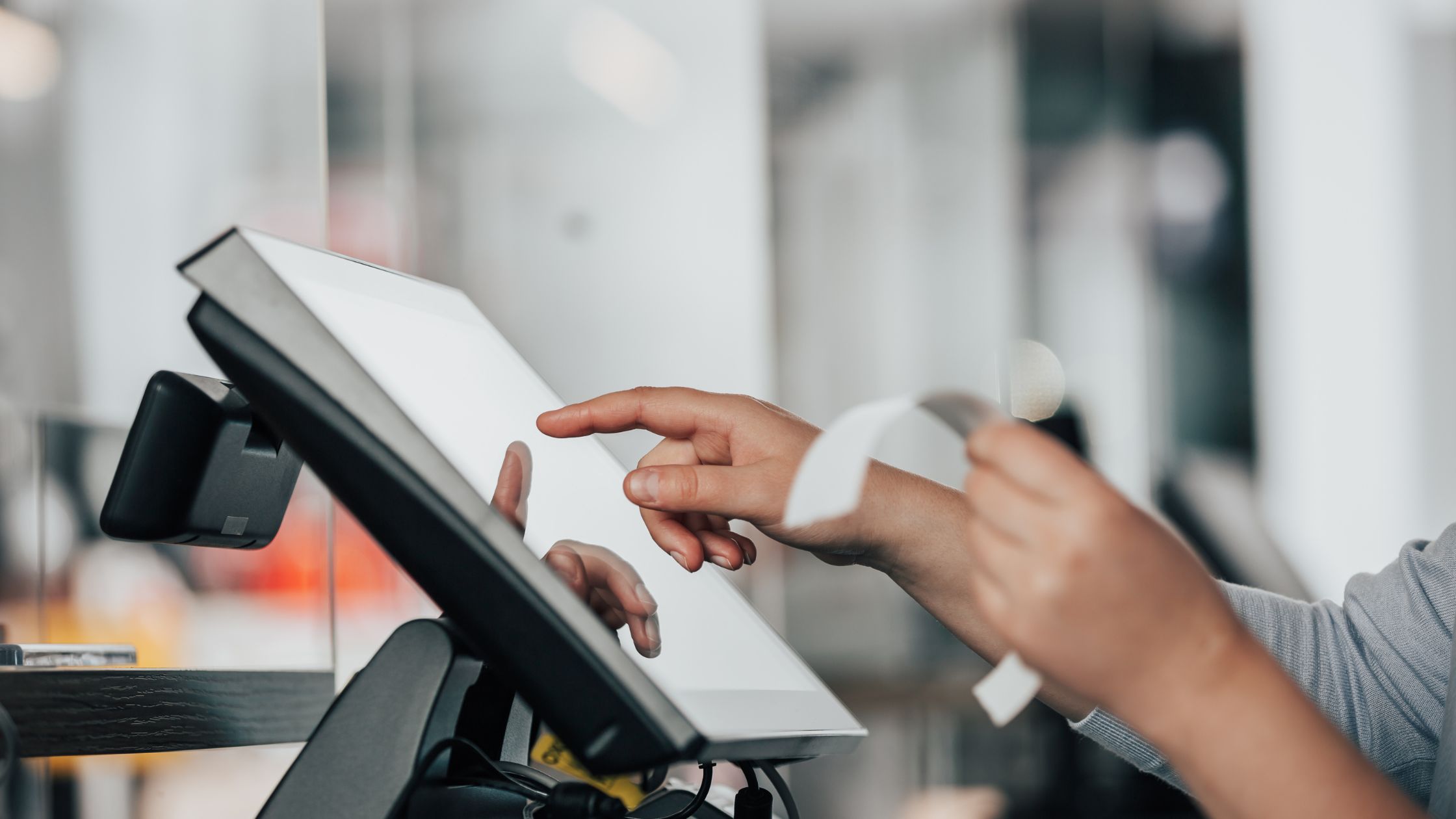
High-volume restaurants win on speed, accuracy, and consistency. However, many teams lose time when a cloud system lags, a network drops, or checkout freezes during peak rush. Therefore, you need a setup that keeps tickets moving even when the internet service fails. An offline pos for high-volume restaurants helps you protect revenue, reduce mistakes, and keep staff confident under pressure. Additionally, it supports faster service recovery, steadier kitchen pacing, and fewer guest complaints when technology fails unexpectedly.
Floreant POS supports this need because it runs locally and continues working without requiring an active internet connection. Moreover, it supports common restaurant workflows and typical hardware setups, so busy teams keep the operation stable under stress. Consequently, you can maintain predictable operations, train staff faster, and reduce the chaos that usually follows connectivity problems.

Why High Volume Restaurants Need Offline-First Reliability
During peak hours, every delay increases guest frustration and staff stress. Consequently, you must remove avoidable bottlenecks at ordering, kitchen routing, and checkout. Offline-first POS operations support that goal in three practical ways:
- You keep taking orders during outages: You avoid a complete stop because the system runs locally.
- You stabilize the kitchen pipeline: You keep ticket flow consistent so the kitchen stays in rhythm.
- You protect the guest experience: You reduce “system down” moments, so guests see a smooth operation.
Therefore, you keep the entire restaurant running smoothly, even when connectivity fails, so sales stay protected, and service never stops during the critical rush. Learn more about Restaurant POS Software With Source Access.
What a High-Volume POS Must Deliver During Peak Rush?
A POS must do more than “work.” Instead, it must stay fast, clear, and repeatable when hundreds of tickets hit the line. Therefore, you should demand these outcomes:
1) Fast Order Entry that Reduces Taps
High-volume counters need a flow that finishes orders quickly. Floreant supports a takeout-focused workflow, speeding up order taking and pushing items to the kitchen. Staff handle “for here” and “to-go” without switching, keeping the line moving.
2) Table Service that Stays Easy to Manage
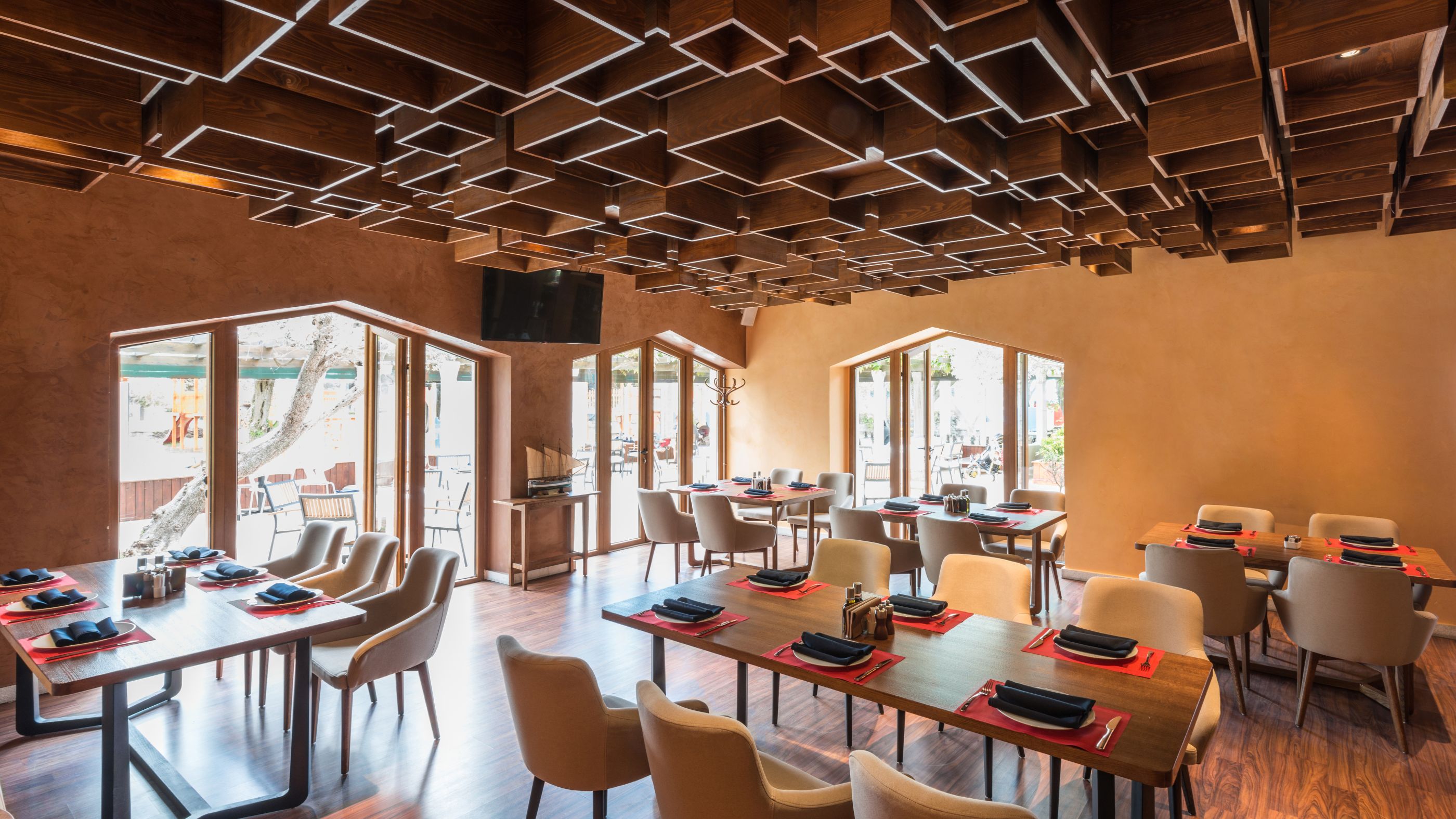
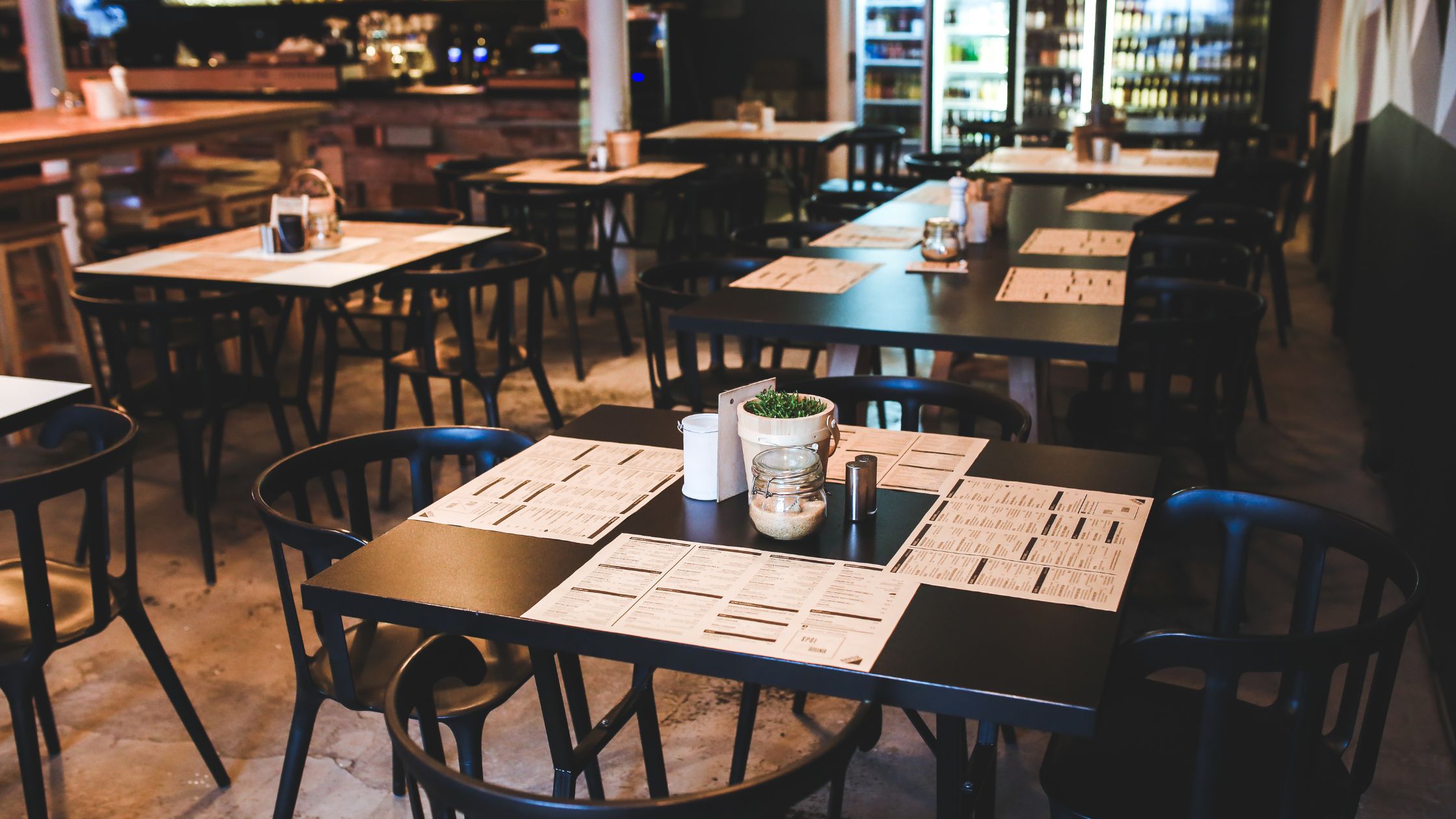
When dining rooms fill, servers must open tables, modify tickets, reorder items, and split checks. Floreant supports these tasks, helping servers manage volume and control table status without confusion.
3) Modifiers and Instructions that Protect Accuracy
Busy kitchens make mistakes when tickets lack clarity. Floreant supports modifiers and kitchen instructions, ensuring the kitchen receives what it needs while keeping the bill clean and improving order accuracy.
4) Real-Time Updates and Seamless Communication
Floreant provides instant updates across stations, ensuring kitchen and service staff stay synchronized. This minimizes delays, reduces mistakes, and maintains smooth operations even during peak rush times.
Therefore, you maintain fast service, clean tickets, and fewer errors, even during nonstop peak rush across every counter and station.

Kitchen Output that Matches Real-World Speed
Kitchen output must stay fast, clear, and predictable when the dining room fills, and orders stack up. However, many kitchens slow down when tickets print late, instructions get missed, or stations cannot see what is next. Therefore, you need a setup that delivers every item to the right place at the right time, without confusion. Kitchen output that matches real-world speed keeps production flowing, reduces remakes, and helps the team stay calm during peak pressure.
Floreant supports this need by enabling kitchen printing and kitchen-facing instructions, which keep prep notes clear while guest checks stay clean. Moreover, it supports a kitchen display approach for better visibility across stations, so teams can track queue flow and timing when volume spikes.
Hardware and Deployment that Stay Practical
High-volume restaurants often run multiple terminals, so you need software that fits standard station setup, such as:
A) Common Restaurant Peripherals
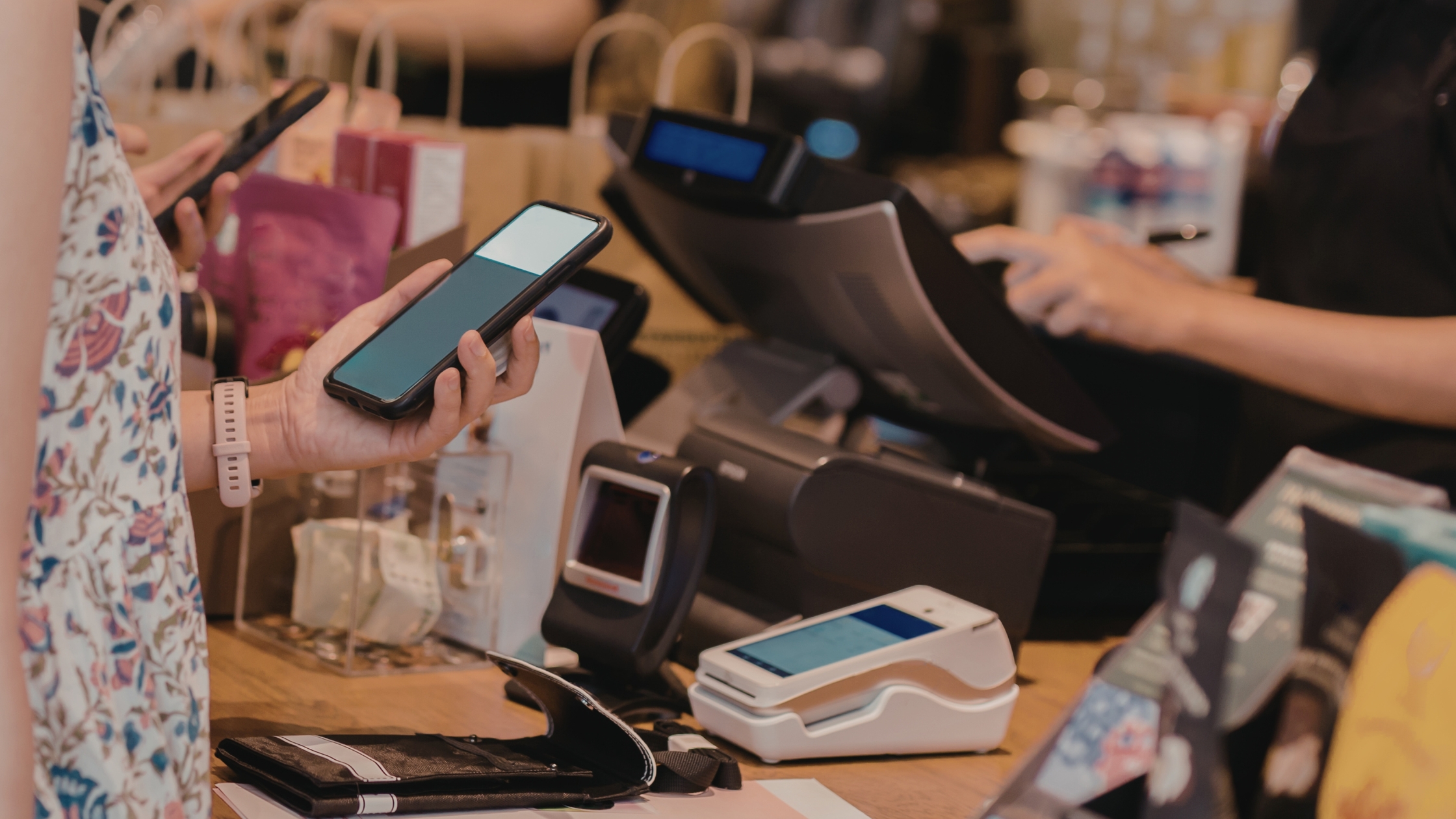
A practical POS supports touch terminals, receipt printers, cash drawers, and barcode scanning workflows. Consequently, you can build stations that feel familiar to staff and remain easy to service across shifts and locations.
B) Portable Install and Backup Discipline
When you operate at scale, you need quick recovery. Therefore, you should keep a clean backup routine and maintain a repeatable process for restoring terminals. Moreover, a portable install approach simplifies replacement when a machine fails.
C) Lightweight System Requirements
A reliable offline POS should run on typical hardware without heavy overhead. Consequently, you can keep performance stable while controlling operational complexity, even during rush hours, staff changes, and daily peak load spikes.
As a result, you get a POS setup that stays easy to deploy, simple to maintain, and reliable at scale, even during peak hours, reducing downtime, training time, and service interruptions.
How to Choose the Right Offline Setup for Your Restaurant
Before you commit, map your peak-hour reality and build around it. Then you can choose the configuration that actually survives rush, like:
- List your order types: dine-in, takeout, delivery, and bar workflows.
- Define kitchen flow: printers, display, or both, depending on stations.
- Standardize modifiers: reduce free-typing and prevent ticket confusion.
- Set cash rules: drawer assignment, void controls, and shift close steps.
- Stress test the system: simulate internet loss and confirm the team still runs smoothly.
When you run this checklist, you build a true offline pos for high-volume restaurants that keeps service predictable.

Conclusion
High-volume restaurants cannot risk downtime during rush. Therefore, an offline-first approach protects speed, accuracy, and team confidence when volume hits hard. The system supports offline operations with restaurant-focused workflows for takeout and table service, kitchen routing options, and disciplined cash handling. As a result, you can keep tickets moving, reduce errors, and protect the guest experience with less operational stress. Moreover, you gain a steadier workflow across counters, tables, and kitchen stations, so teams stay consistent throughout outages, staff changes, and weekend-level volume. If you want a dependable offline solution built for real restaurant pressure, choose Floreant POS.