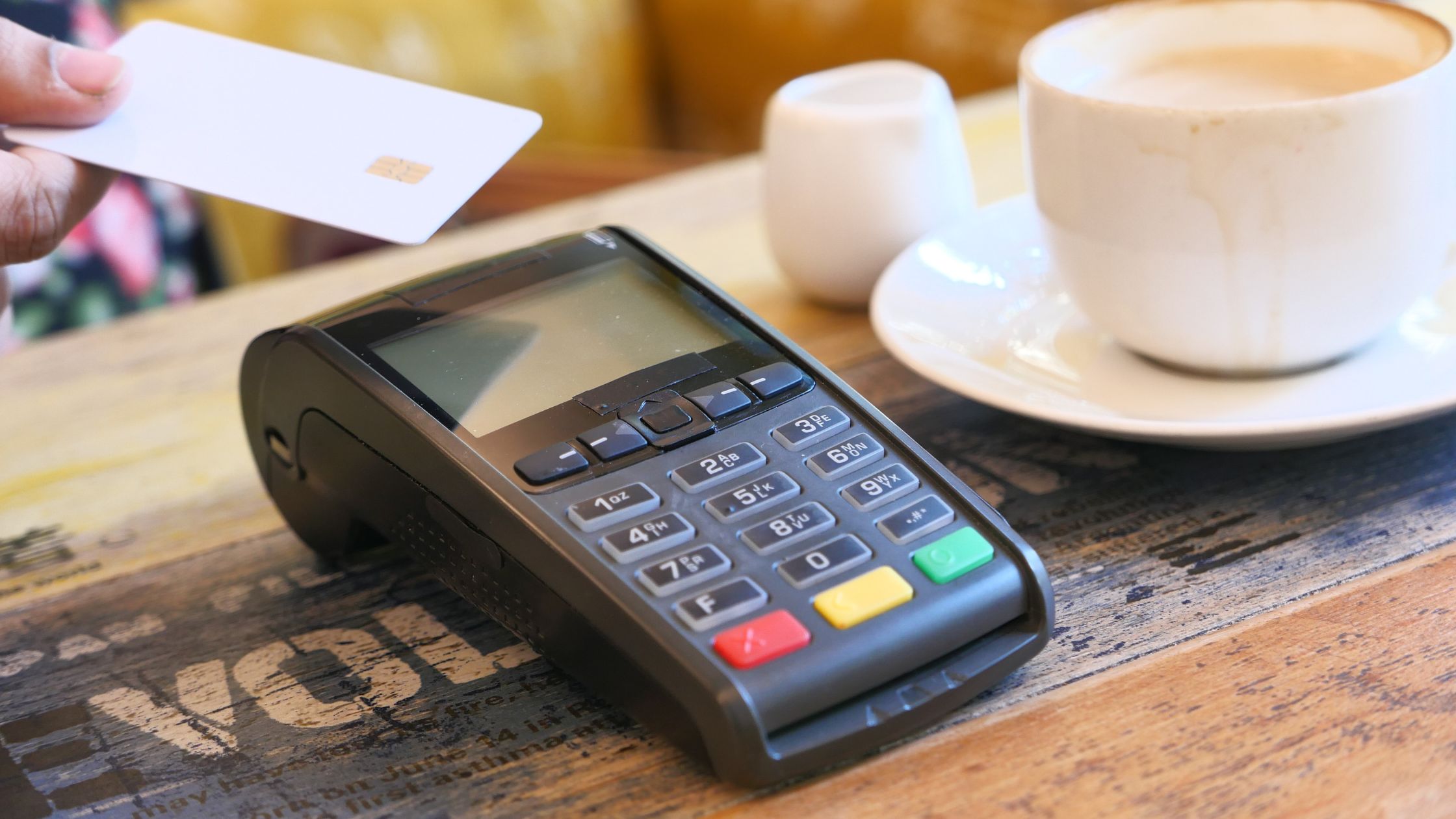
Every busy service runs through your point of sale. Servers take orders, bartenders close checks, and managers review reports while guests tap cards without a second thought. However, attackers still see your POS as one of the easiest paths into payment data. Because of this, you need a clear, practical approach to security that treats encryption as a non-negotiable part of every transaction. When you master POS data encryption, you protect cardholder information, reduce breach risk, and defend your reputation at the same time.
Why Encrypting Data is Critical for POS Systems in Restaurants
POS data encryption is essential for protecting cardholder data at every stage of the transaction process. This technology prevents unauthorized access, theft, and fraud by ensuring that sensitive payment information is securely encrypted as it travels through the system. Without proper encryption, critical card details—including card numbers, expiration dates, and security codes—are left vulnerable to interception or theft, making them easy targets for hackers. For restaurants, where POS systems process a high volume of sensitive payment data daily, the risk of cyberattacks is especially high.
Restaurants are prime targets for hackers looking to exploit unprotected data. However, encryption acts as a robust safeguard, ensuring that only authorized individuals can access and read cardholder information. This adds an important layer of security, protecting your business and customers from costly breaches. By implementing encryption, you not only protect your customers’ financial information but also safeguard your restaurant’s reputation.
How Encryption Safeguards Your Restaurant’s Payment Data
In today’s digital age, securing payment data is critical for protecting both customers and businesses. POS data encryption is a key measure to ensure sensitive card information remains secure throughout the transaction process.
- When a customer swipes or taps their card, the POS system records the transaction details. To protect this data from interception, it should be encrypted instantly.
- Captured data is sent to the processor for authorization using secure protocols like TLS, keeping it encrypted during transmission to prevent interception.
- After processing, transaction data is stored in the POS database. Encryption protects this data from unauthorized access and breaches.
- Transaction log backups are stored for records and, if unencrypted, are vulnerable. Encrypting them ensures data security, even if accessed without permission.
Encryption is essential for securing payment data, protecting both your customers and your business. By encrypting data at every step, you maintain security, meet compliance, and build trust with your customers.
How to Implement Effective POS Data Encryption
To implement POS data encryption in your restaurant, follow these steps:
i. Use Secure, Encryption-Enabled Hardware: Ensure your POS hardware supports encryption from the moment data is captured.
ii. Encrypt Data in Transit: Implement encryption protocols like TLS to secure card data as it moves from the terminal to the processor.
iii. Encrypt Data at Rest: After processing, store all data securely by encrypting transaction logs and backups.
iv. Regularly Monitor and Update Security Systems: Regularly update POS software and hardware, applying security patches as needed.
By implementing these steps, you can effectively safeguard your restaurant’s payment data and maintain a secure environment for both customers and employees. Learn more about Restaurant With Best POS Hardware 2026.
Why POS Data Encryption is Crucial for Your Restaurant’s Security
In the digital age, protecting customer payment information is essential for maintaining trust and preventing fraud. POS data encryption ensures sensitive cardholder data is secure throughout the transaction process.
1. Enhanced Data Security
Encryption ensures that cardholder data is protected at every stage, significantly reducing the risk of data breaches and fraud. Even if attackers gain access to your network, the encrypted data remains secure.
2. Compliance with Industry Standards
Encryption is a core requirement of PCI DSS Payment Card Industry Data Security Standard compliance. By encrypting data, you help ensure that your restaurant meets these regulatory standards and avoids potential fines or penalties.
3. Improved Customer Trust
Customers are more likely to trust a restaurant that demonstrates a commitment to protecting their personal and financial information. Encrypting card data builds trust and reassures customers that their information is safe.
4. Reduced Liability
With encryption in place, your restaurant is less likely to experience significant financial losses from fraud or data breaches. Additionally, encryption helps minimize the potential for lawsuits related to data security failures.
By implementing POS data encryption, you protect sensitive information, meet compliance standards, and build trust, ensuring your restaurant remains secure and reputable in the digital world.
Conclusion
Mastering POS data encryption is essential for any restaurant that processes cardholder information. By implementing strong encryption practices—from capturing data at the terminal to encrypting stored and backed-up data—you significantly reduce the risk of fraud, data breaches, and other security threats. A comprehensive encryption strategy also ensures that your restaurant remains compliant with industry regulations, preserves customer trust, and protects your business from potential liabilities. At Floreant POS, we support restaurants in adopting secure payment practices and making encryption practical, helping you build a secure foundation for handling sensitive customer data.
FAQs
1. What data should I encrypt in my restaurant POS?
You encrypt any data that identifies a cardholder or links to a specific card. This list includes card numbers, expiry dates, verification details, and customer profiles tied to payment history.
2. Do I still need encryption if my payment provider handles cards?
Yes, you still need encryption. Your devices and network capture and transmit data, so you encrypt traffic from the terminal and protect any logs or reports that stay in your systems.
3. How often should I review my POS encryption settings?
You review settings after every major change in hardware, software, or location. You also run a full review at least once a year to check protocols, keys, access, and backups.
4. What simple steps can my team take to support encryption?
Your team avoids writing card numbers down, storing unprotected files, or sharing passwords. They also lock screens when they move away from terminals and report anything that looks unusual.