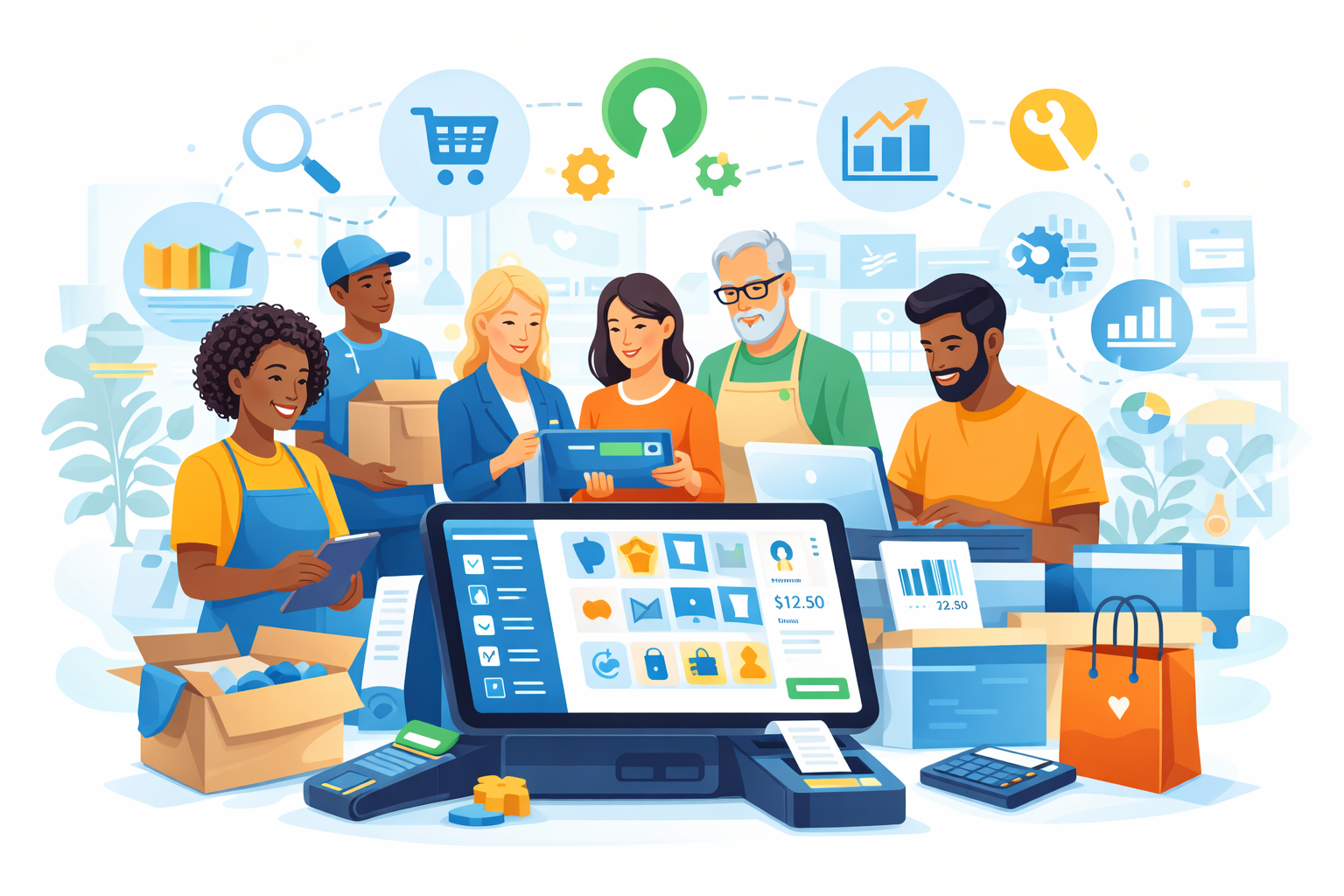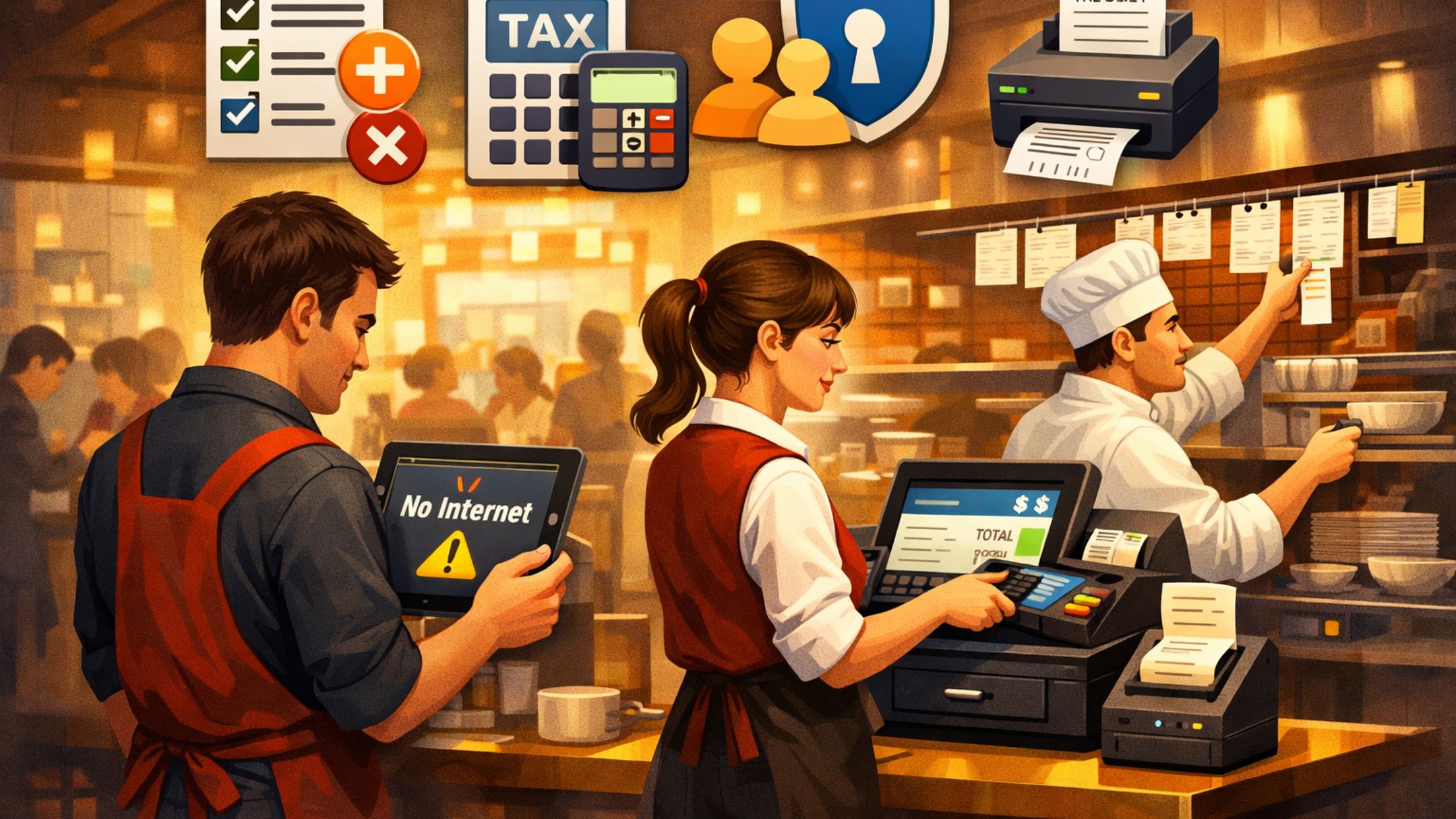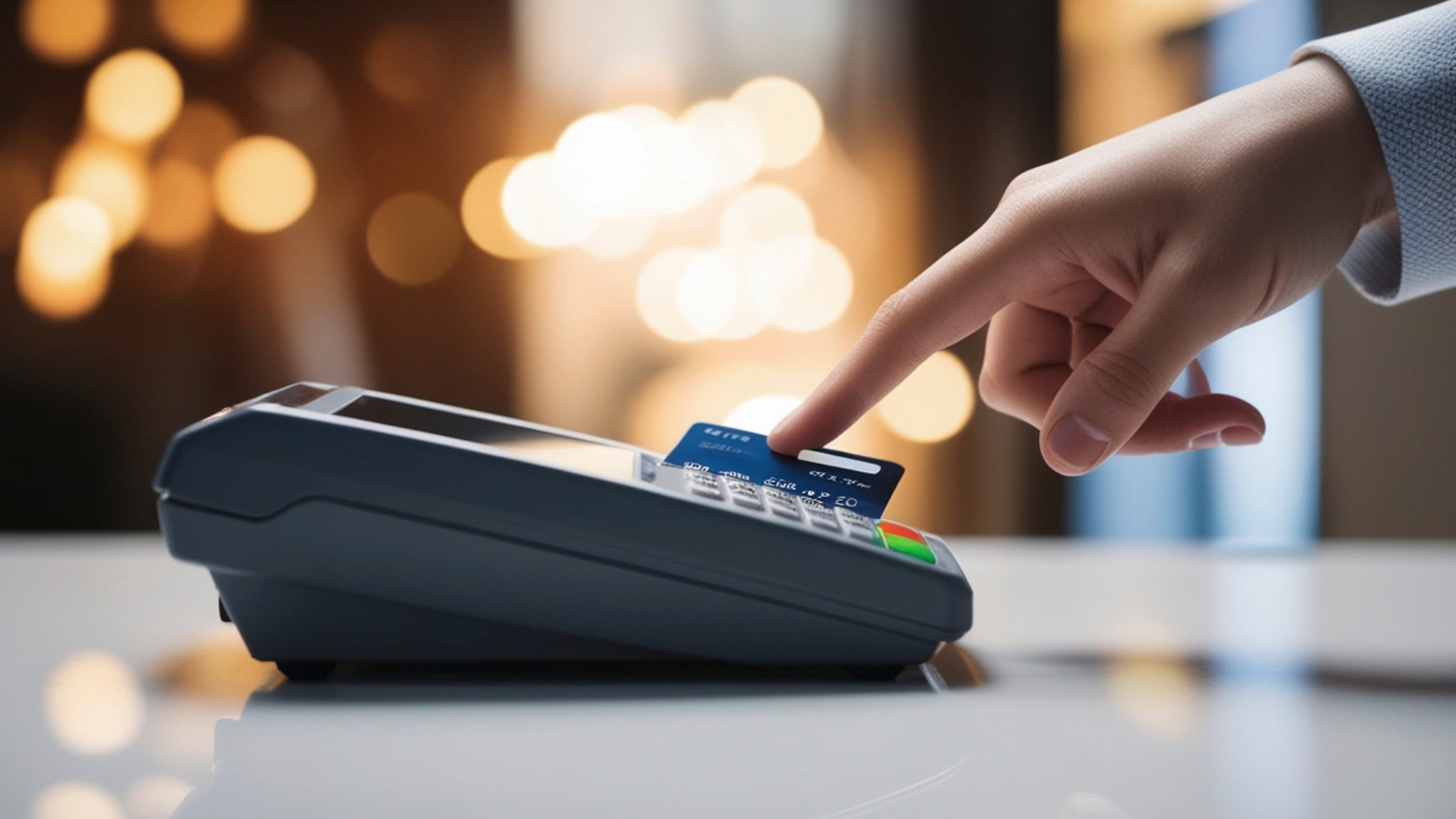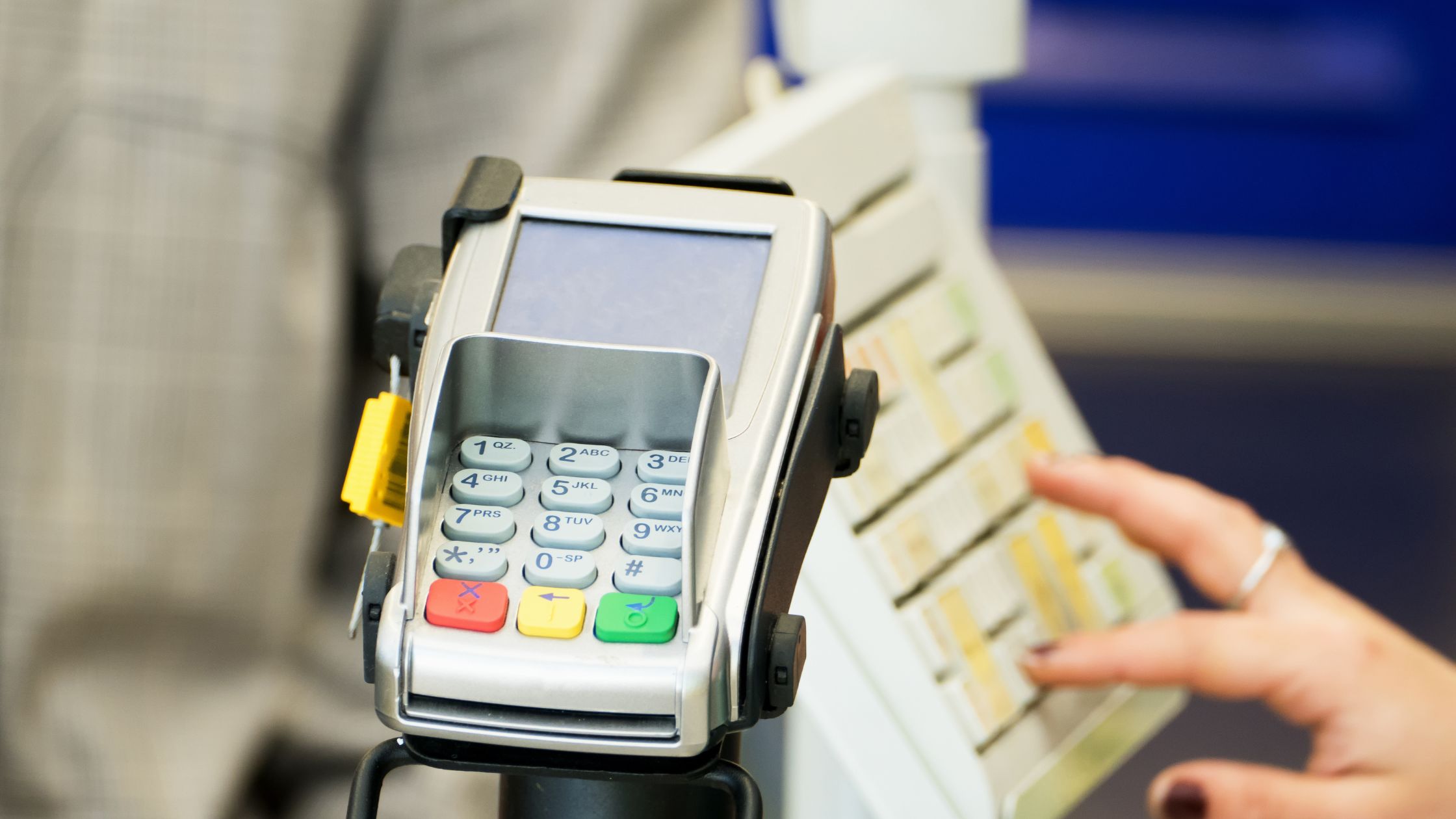
In a busy restaurant, data is created every second. Orders, payments, staff actions, discounts, inventory updates, and reports all flow through your POS system. That makes POS data ownership a core operational issue, not just a technical one. If you don’t control your data, you don’t fully control your business.
When restaurants rely entirely on cloud-based or closed POS platforms, their data often lives on third-party servers with limited access, export restrictions, or usage rules. In contrast, a locally installed system like Floreant POS gives restaurants direct ownership of their operational data. You decide where it is stored, how it is backed up, and who can access it—without depending on external providers to run your daily operations.
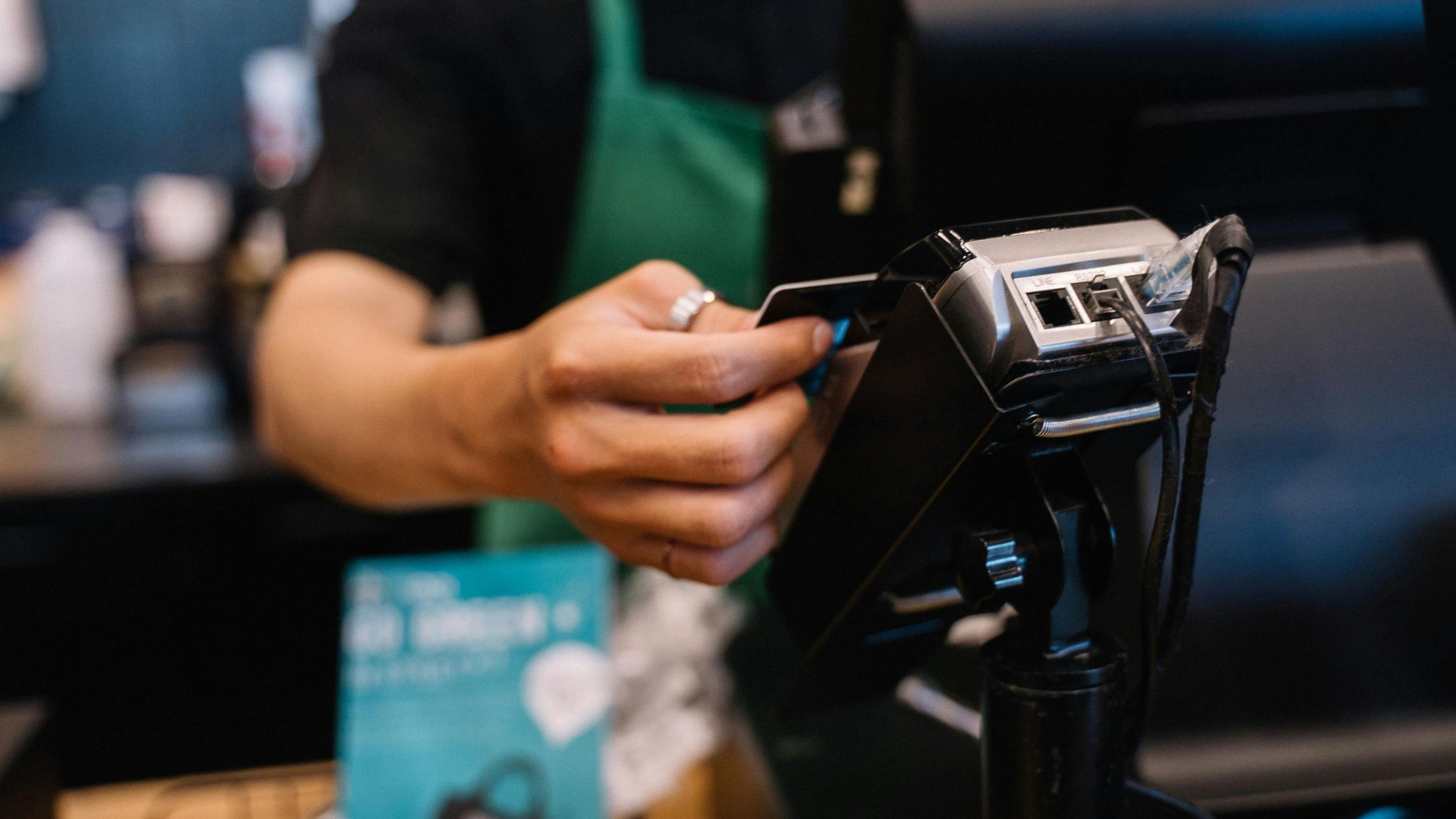
Why POS Data Ownership Matters for Restaurants
Restaurant data is more than just numbers. It reflects customer behavior, staff performance, menu profitability, and operational efficiency. Without POS data ownership, restaurants risk losing visibility and flexibility when they need it most. Lack of data ownership can lead to:
- Limited access to historical sales and reports
- Forced dependency on vendors for exports or migrations
- Disruptions when the internet or services go down
- Privacy concerns around third-party data handling
- Difficulty switching POS systems in the future
Strong POS data ownership helps restaurants:
- Maintain uninterrupted access to sales and reports
- Keep sensitive business data under local control
- Back up and migrate data freely
- Reduce reliance on subscription-based platforms
- Stay operational during outages or transitions
Just as restaurants manage food costs and labor carefully, they must also manage who truly owns their operational data—especially during peak hours, staff turnover, and long-term growth.
Key Benefits of POS Data Ownership
POS data ownership supports stability, security, and smarter decision-making across daily operations.
1. Full Control Without Ongoing Fees
Owning your POS data doesn’t require expensive subscriptions. With an open-source POS like Floreant, your data stays on your own system. You maintain full access to sales, staff activity, and performance data without recurring platform costs.
2. Freedom From Vendor Lock-In
When data lives in proprietary systems, switching platforms becomes risky and expensive. POS data ownership allows you to export, analyze, or migrate data on your terms. This flexibility protects your restaurant from sudden pricing changes or forced upgrades.
3. Offline Reliability and Continuity
Cloud-only POS systems stop working when connectivity fails. A locally installed POS keeps your data accessible even offline. Orders continue, reports remain available, and your restaurant keeps running during network disruptions.
4. Secure Menu, Inventory, and Reporting Data
When data ownership stays in-house, permissions can be tightly controlled. Staff cannot change prices, edit past bills, or access sensitive reports without authorization. This preserves reporting accuracy and protects against manipulation.
5. Safe Data Sharing Across Devices
Restaurants often operate multiple terminals, kitchen screens, or service stations. POS data ownership allows all devices to connect to a shared database securely, ensuring consistency without exposing data to outside risks.
POS data ownership gives you control, lower costs, and freedom to scale or switch anytime. With offline stability and secure access, your POS stays dependable—not rented.
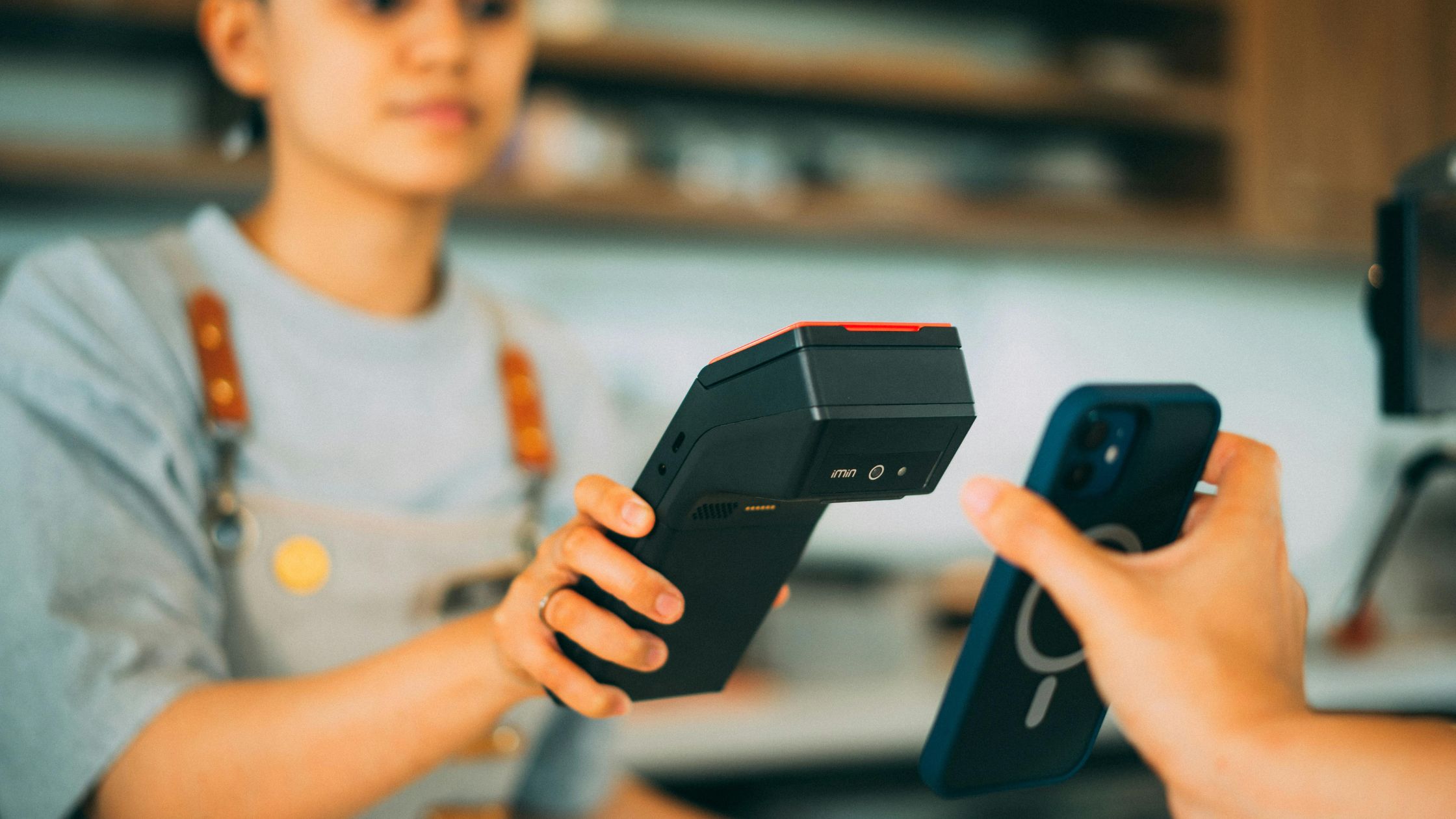
How to Protect POS Data Ownership in Your Restaurant
Owning POS data works best when combined with disciplined operational practices.
A) Assign Access Based on Roles
Not every staff member needs access to all data. Match permissions to responsibilities:
- Servers: Order entry
- Cashiers: Payment handling
- Managers: Reports and overrides
- Admins: System configuration
Individual logins protect data integrity and improve accountability.
B) Make Data Backups Routine
POS data ownership also means data responsibility. Build a simple habit:
- Back up data daily
- Store backups securely
- Test restores occasionally
This protects your restaurant from hardware failure or accidental loss.
C) Secure Systems and Networks
Data security depends on infrastructure. Best practices include:
- Separate POS and guest Wi-Fi networks
- Lock down servers and terminals physically
- Update passwords regularly
- Avoid unknown external devices
These steps greatly reduce unauthorized access risks.
D) Use Reports to Maintain Data Integrity
Owning data means using it. Regularly review reports to identify:
- Unusual voids or refunds
- Unexpected menu or price changes
- Cash discrepancies
- Activity outside normal hours
Early detection prevents small issues from becoming costly problems. Learn more about POS Data Ownership Explained for Restaurants.
Common POS Data Ownership Mistakes to Avoid
Even a solid POS system can create problems if everyday habits start slipping. Most issues don’t come from the software itself—they come from how it’s managed day to day. Some mistakes restaurants often make include:
- Relying completely on cloud-based POS systems without keeping local access to their data
- Forgetting to export or back up data regularly until something goes wrong
- Allowing staff to share logins removes accountability
- Not saving long-term reports that may be needed later for reviews or audits
- Letting POS vendors control access to past sales and business records
Avoiding these habits helps keep your restaurant independent, your data within reach, and your daily operations easier to manage with confidence.
The Future of POS Data Ownership in Restaurants
As restaurants rely more on data to run smarter operations, owning that data will become even more important. POS systems are moving toward setups that give restaurant owners more control, such as:
- Storing data locally or using hybrid models for better reliability
- Making it easier to export data or connect with other tools
- Offering stronger controls over who can access sensitive information
- Providing clear, easy-to-understand reports
- Staying flexible as restaurants grow or add new locations
Restaurants that focus on data ownership now will adjust faster, grow more smoothly, and avoid headaches later on.
Conclusion
POS data ownership is not a technical detail—it is a business safeguard. When you control your sales, staff, and operational data, you protect your restaurant from vendor dependency, outages, and long-term risk. By choosing a locally installed, open-source system like Floreant POS and pairing it with smart access control, regular backups, and secure infrastructure, you gain lasting control over one of your most valuable assets. For restaurants that value stability, flexibility, and independence, POS data ownership is essential.