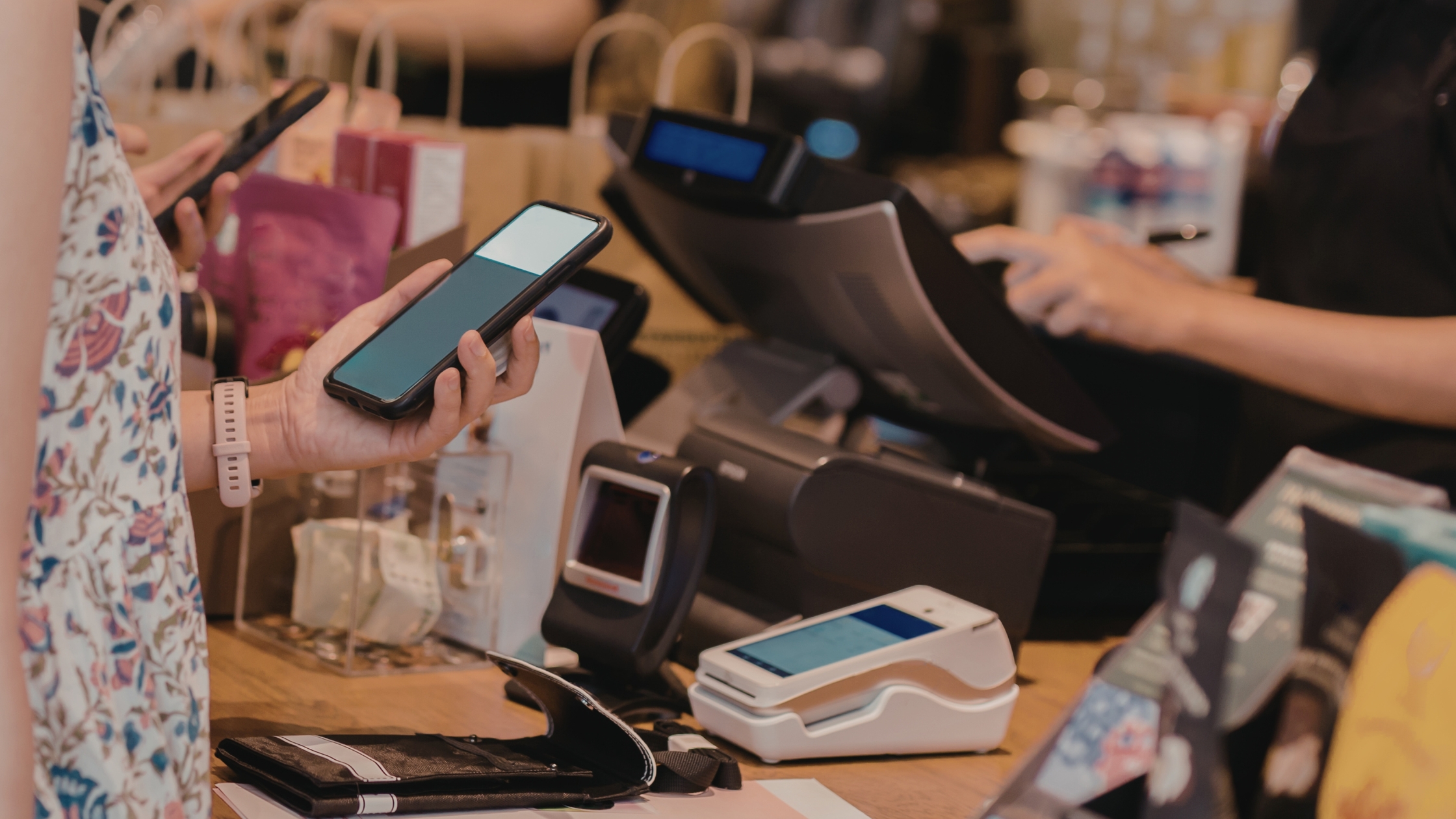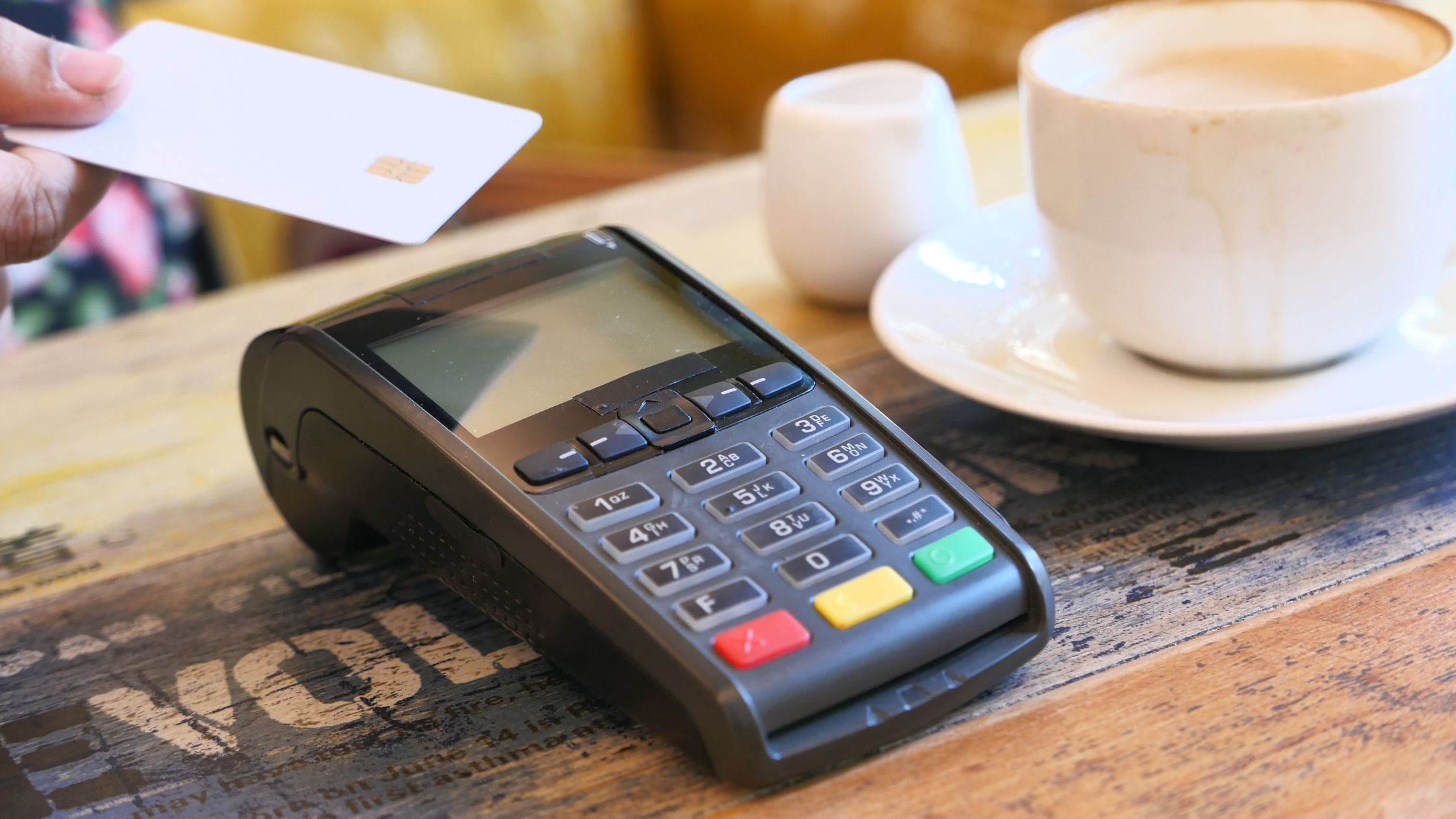
Running a restaurant involves much more than serving good food and providing excellent service; it requires a strong focus on operational efficiency, smart decision-making, and clear visibility into every aspect of the business. A POS with AI analytics system combines the reliability of traditional POS systems with the advanced capabilities of data-driven insights, helping restaurant owners optimize overall performance, enhance operational processes, and increase profitability. By integrating AI with a POS system, restaurant managers can gain deeper insights into sales trends, customer behaviors, and operational inefficiencies.

How a Reliable POS System Enhances Restaurant Operations
A good POS system forms the backbone of restaurant operations. It handles orders, payments, inventory management, and customer interactions. For restaurants, cafés, and bars, a reliable POS system streamlines these processes, reducing errors and ensuring smooth customer service. A well-functioning POS system helps businesses manage:
- Order and payment processing.
- Inventory tracking.
- Customer interactions.
- Employee shifts and tips.
- Reporting and sales analysis.
While these core functions are essential, a traditional POS system cannot analyze customer data, forecast demand, or optimize menus for maximum profitability. This is where the power of AI analytics comes in.
The Gap Between Traditional POS and AI-Enhanced POS Systems
Traditional POS systems are essential for restaurants, but they often fall short when it comes to providing actionable insights. While they handle orders, payments, and basic reporting, they lack the advanced analytics that modern restaurants need to thrive.
A) Sales Forecasting
AI analytics can predict peak hours and popular menu items, allowing restaurant owners to stock ingredients efficiently and prepare for busy times. By forecasting sales, you can reduce overstocking and understocking, minimizing waste and maximizing profits.
B) Menu Optimization
AI analyzes customer preferences, sales patterns, and profitability to suggest menu adjustments. It identifies top-performing dishes and helps you decide which items to keep, modify, or remove, ensuring a more profitable and customer-driven menu.
C) Labor Management
AI uses historical data to optimize employee schedules, ensuring your restaurant is adequately staffed during peak times. By analyzing busy hours, AI helps you reduce labor costs during slow periods while meeting customer demand when it peaks.
D) Waste Reduction
With AI-driven insights, you can track food waste, pinpoint inefficiencies, and find areas for improvement. By analyzing food usage patterns, AI can help reduce overproduction, prevent spoilage, and ensure ingredients are used efficiently, cutting down on unnecessary losses.
E) Customer Insights
AI gathers data on customer behaviors, preferences, and spending habits, allowing you to tailor services, menus, and marketing efforts. Understanding your customers’ patterns enables personalized experiences that can drive loyalty and repeat business, improving overall customer satisfaction.
While traditional POS systems provide essential functions for restaurants, they lack the advanced capabilities needed to boost profitability and operational efficiency.

How AI Analytics Drives Restaurant Profitability and Efficiency
AI analytics empowers restaurants to optimize operations, boost profits, and enhance customer experiences through data-driven insights.
i. Increased profitability: AI helps identify high-margin items and forecast demand, reducing waste and boosting profit margins.
ii. Improved operational efficiency: Predictive analytics enable optimized staffing, minimized wait times, and better inventory management.
iii. Better customer experience: AI analyzes customer preferences to offer personalized menu recommendations and promotions.
iv. Data-driven decision-making: Real-time insights allow restaurant owners to adjust strategies based on actual data, not assumptions.
v. Enhanced marketing strategies: AI can segment customers based on behavior and preferences, enabling targeted, effective marketing campaigns.
AI analytics transforms restaurant operations by driving profitability, efficiency, and customer satisfaction through data-driven decisions. Learn more about Quick Service Restaurant POS.
Maximizing Restaurant Success with a POS
A POS with an AI analytics system not only handles the day-to-day operations but also empowers restaurant owners to stay competitive by leveraging data to make more informed and smarter decisions. AI-driven insights allow restaurants to accurately predict sales, optimize menus, improve staffing levels, and reduce waste. By harnessing the power of AI, restaurants can streamline operations, increase efficiency, and maximize profitability.
The integration of AI with traditional POS functions enables businesses to adapt quickly to shifting market trends, personalize customer interactions, and offer tailored recommendations. Real-time analytics provide restaurant managers with actionable insights, allowing them to make data-driven decisions that improve performance, enhance customer satisfaction, and ultimately drive growth. This combination of operational intelligence and customer-focused strategies makes a POS with AI analytics an indispensable tool for modern restaurant management.
Conclusion
A POS with an AI analytics system is a game-changer for restaurant management. By combining traditional POS functions with advanced AI-driven insights, restaurants can optimize their operations, reduce waste, and improve the customer experience. With the ability to forecast sales, optimize menus, manage labor efficiently, and make data-driven decisions, restaurant owners can stay ahead in a competitive market. For businesses seeking a customized, scalable solution to enhance their operations and profitability, partnering with Floreant POS can provide the tools and support needed to integrate AI-powered POS systems into their daily operations.
FAQs
Q1. What is a POS with an AI analytics system?
A POS with an AI analytics system integrates traditional point-of-sale functions with advanced data analytics, using AI to interpret data and provide actionable insights for better decision-making.
Q2. How can AI analytics help in restaurant management?
AI analytics helps restaurants predict demand, optimize menus, manage labor efficiently, reduce food waste, and personalize customer experiences, ultimately leading to better profitability and operational efficiency.
Q3. Can Floreant POS be enhanced with AI analytics?
Yes, Floreant POS is an open-source system, which means businesses can integrate AI analytics tools to enhance its capabilities, enabling predictive sales, inventory management, and staff optimization.
Q4. What are the advantages of a POS with AI analytics over a traditional POS?
A traditional POS offers basic functions like order management and sales tracking, while a POS with AI analytics provides real-time insights, demand forecasting, menu optimization, and personalized customer experiences, helping businesses make data-driven decisions.