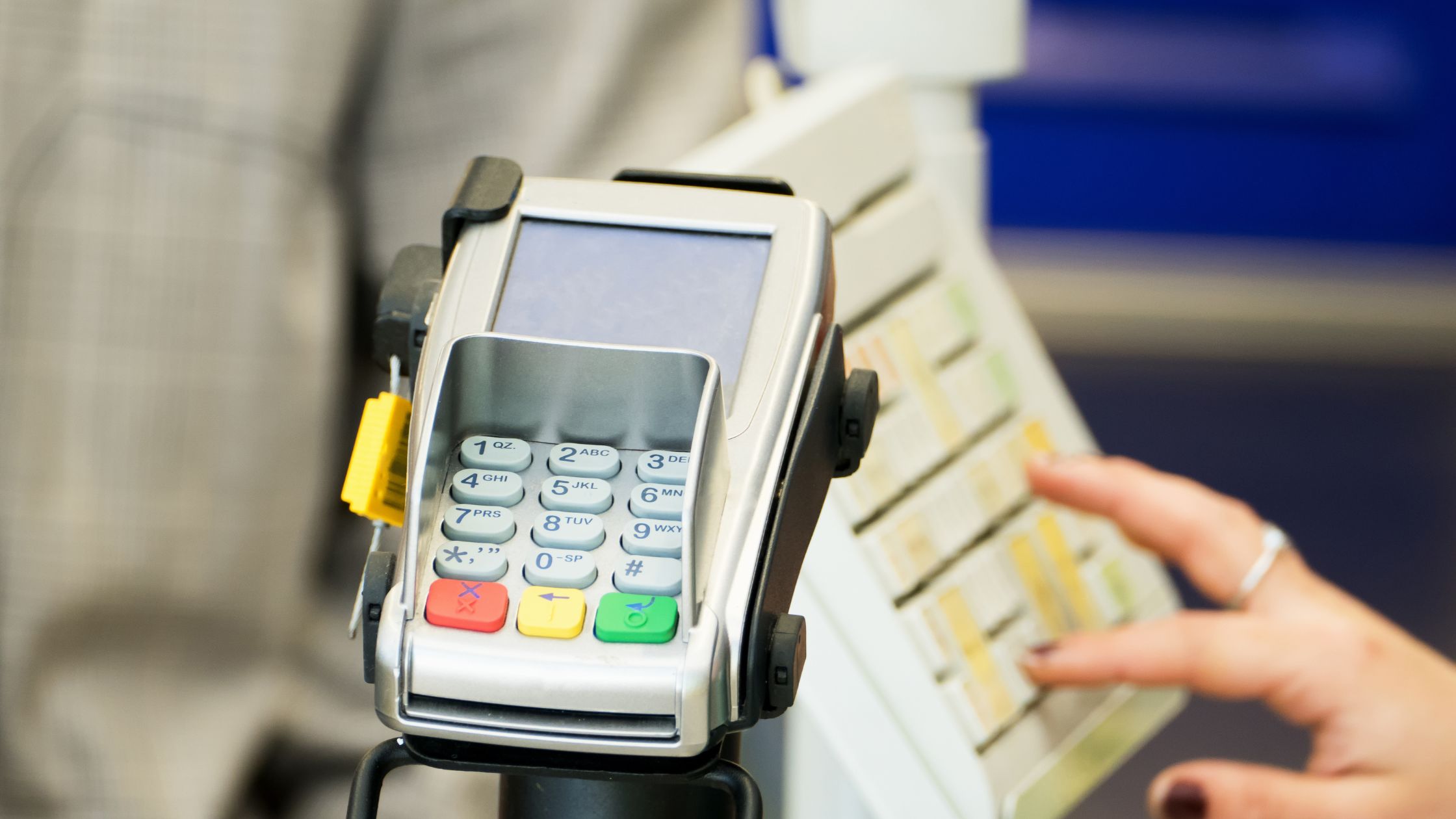
Restaurant POS Performance Issues at Scale: Causes and Fixes

Every restaurant depends on speed, accuracy, and operational flow. However, as locations grow, terminals increase, and order volume rises, POS performance pressure intensifies while visibility declines. Therefore, restaurants must move away from reactive fixes and adopt structured POS oversight. This shift protects service quality, prevents revenue leakage, and maintains operational continuity during peak hours. POS…
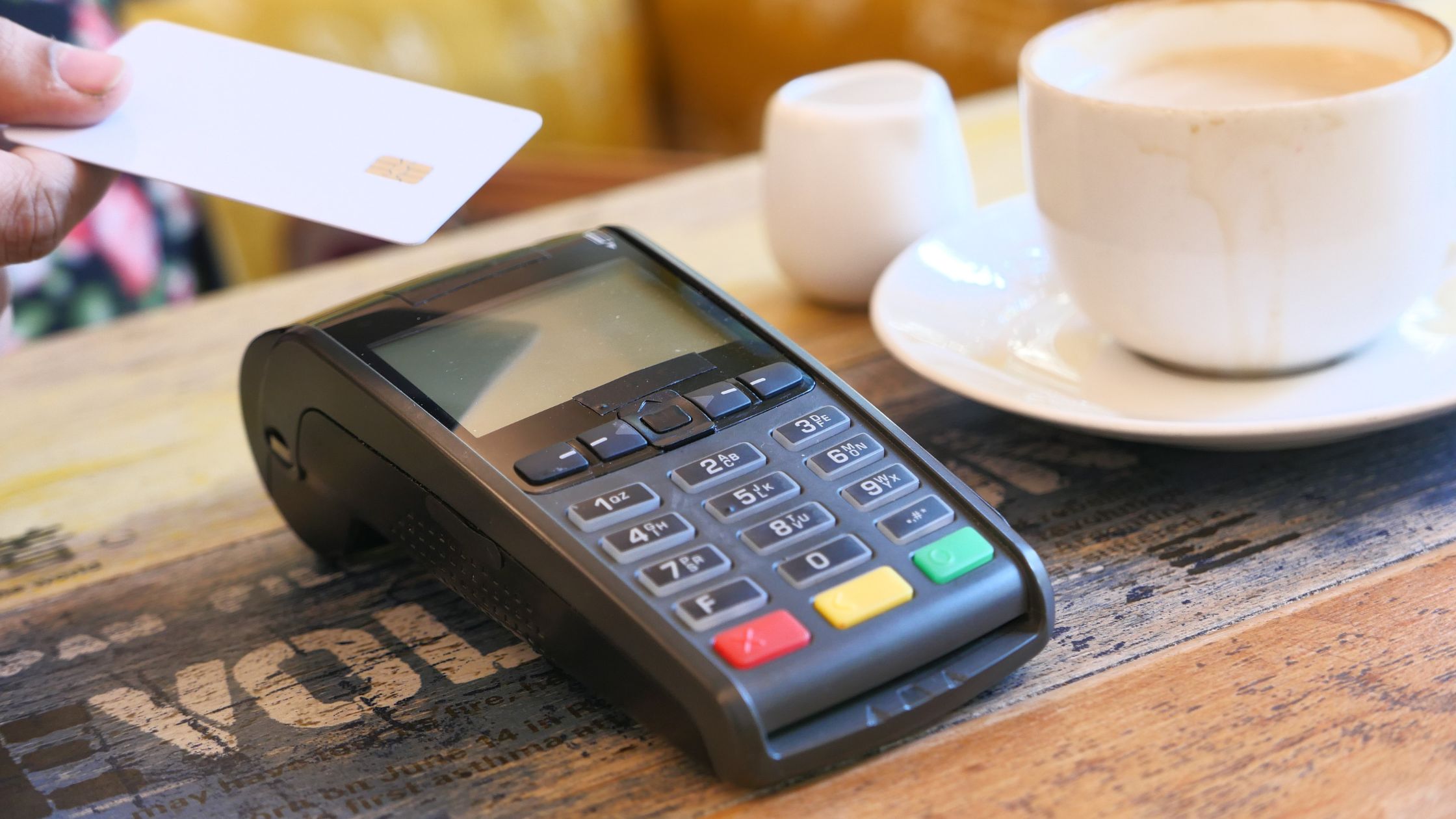
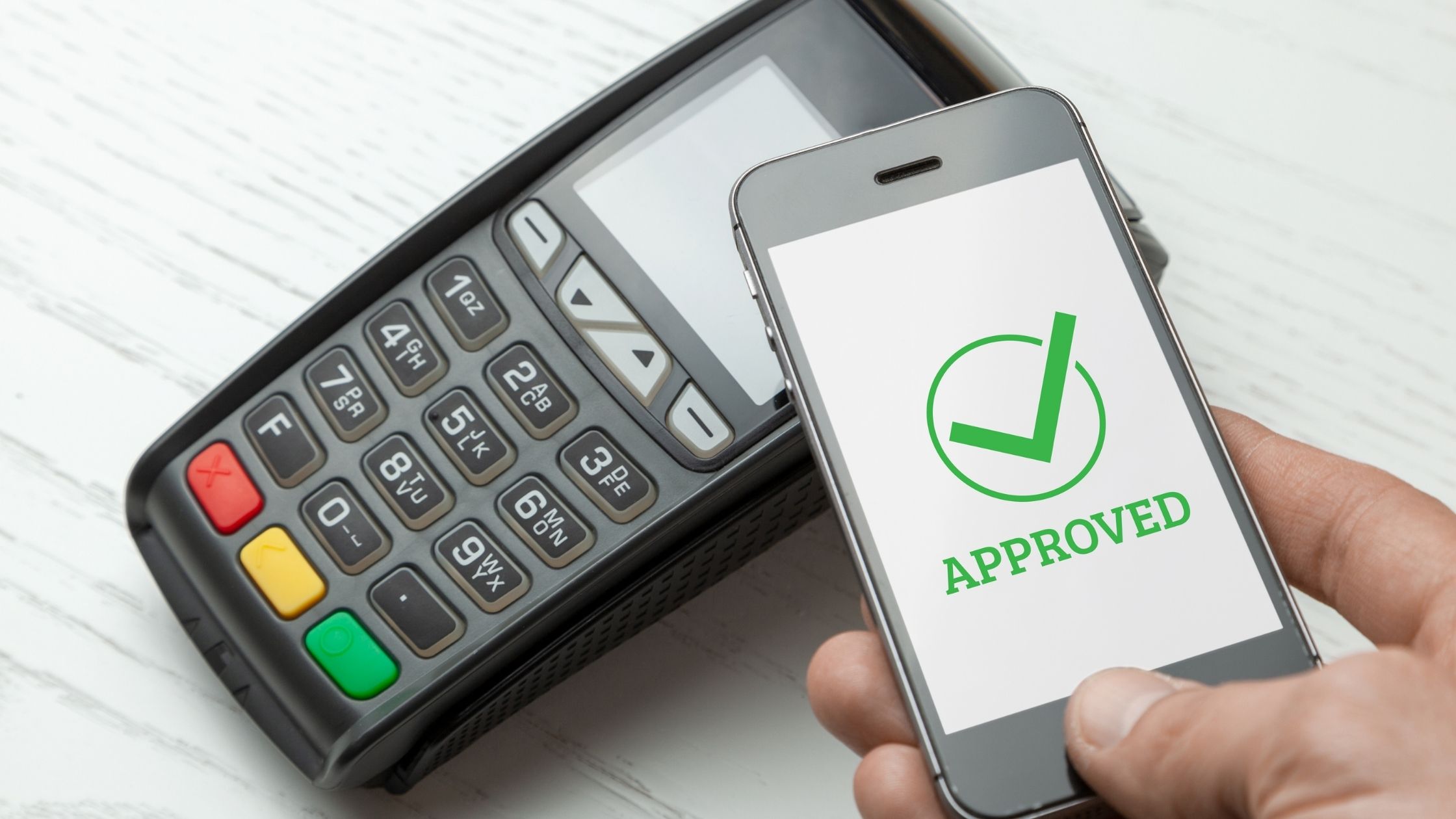
Run a Restaurant POS Without Monthly Fees

Running a restaurant moves fast—rush-hour orders, split payments, discounts, modifiers, and staff changes happening at the same time. Therefore, your POS must stay reliable, predictable, and easy to control. When you choose a restaurant pos without monthly fees, you avoid subscription lock-in while keeping your day-to-day workflow stable. Moreover, a locally installed, non-cloud setup keeps…

Complete POS Setup Guide for Restaurants

A restaurant runs smoothly only when its point of sale system supports speed, accuracy, and coordination. A well-structured pos setup guide helps restaurant owners connect terminals, kitchen displays, and printers into one reliable workflow. This guide explains how to complete a restaurant POS setup in a practical and structured way, focusing on real operational needs…

Restaurant POS Custom Pricing Rules: That Protect Margins

Margins rarely disappear in one dramatic moment. Instead, they erode through small inconsistencies that repeat every shift. Therefore, restaurants must control how prices change when modifiers, portions, order types, or special conditions apply. However, many teams still rely on staff judgment for these decisions, which leads to uneven pricing and unreliable reporting. Consequently, building restaurant…

Restaurant POS Must Have Features for Faster Service

Speed defines restaurant success because guests expect quick ordering, accurate service, and smooth checkout. Moreover, service slows down when systems add friction instead of removing it. Therefore, a restaurant POS must support real-world workflows that help staff move faster while maintaining accuracy and control. This guide explains that the restaurant pos must have features that…

POS Data Ownership Explained for Restaurants

In today’s restaurant environment, data drives decisions, performance, and profitability. However, many operators still overlook who actually controls their operational data. POS data ownership defines whether restaurants retain authority over sales records, customer insights, inventory details, and operational reports. When restaurants understand pos data ownership clearly, they gain stability, transparency, and long-term control over their…