POS Data Ownership Explained for Restaurants

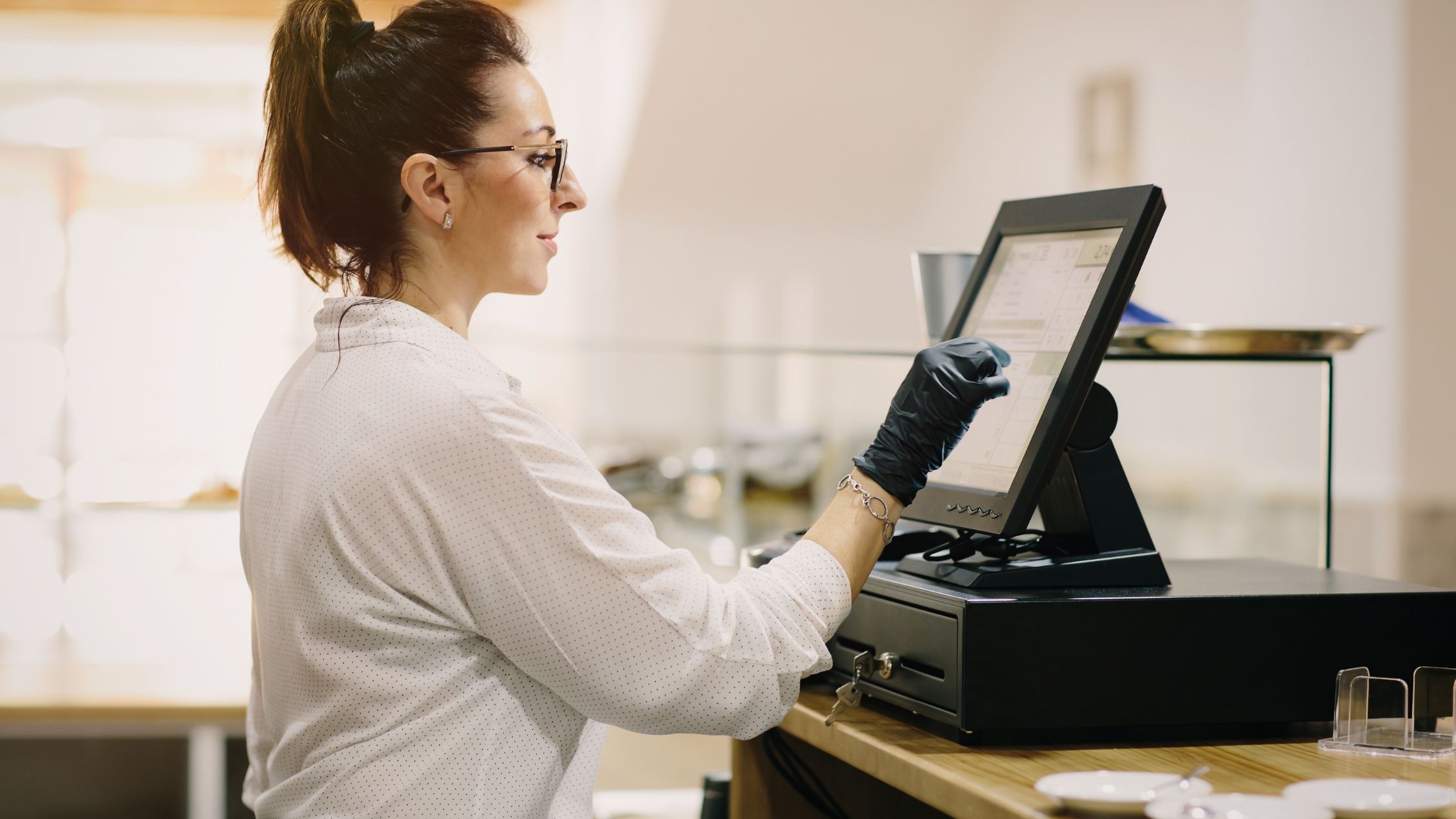
In today’s restaurant environment, data drives decisions, performance, and profitability. However, many operators still overlook who actually controls their operational data. POS data ownership defines whether restaurants retain authority over sales records, customer insights, inventory details, and operational reports. When restaurants understand pos data ownership clearly, they gain stability, transparency, and long-term control over their…

POS with Multi-Channel Syncing for Your Food Business

In today’s food-service world, customers order from everywhere—dine-in, takeaway, your website, delivery apps, phone, kiosks, and even social media. When each channel runs separately, you get double entry, missing orders, confused staff, and unhappy guests. A POS with multi-channel syncing connects every channel to one central system, so orders follow the same workflow, menus and…

How Open-Source POS Saves Thousands Annually for Restaurants

Restaurant profitability depends on careful cost control, especially in daily operations. Therefore, owners increasingly evaluate technology expenses that quietly reduce margins. A point-of-sale system plays a central role in operations, yet it often introduces recurring costs. As a result, many restaurants now explore alternatives that balance functionality with affordability. This shift explains how open-source POS…

Unlock Efficiency & Cost Savings with Open Source POS for Food Business

In today’s fast-paced food-service environment, restaurants, cafes, and food trucks face constant pressure to improve service speed, reduce costs, and enhance overall efficiency. This is where an open source POS food business system can make a significant difference. By adopting an open-source POS solution, businesses can streamline operations, reduce expenses, and maintain control over their…