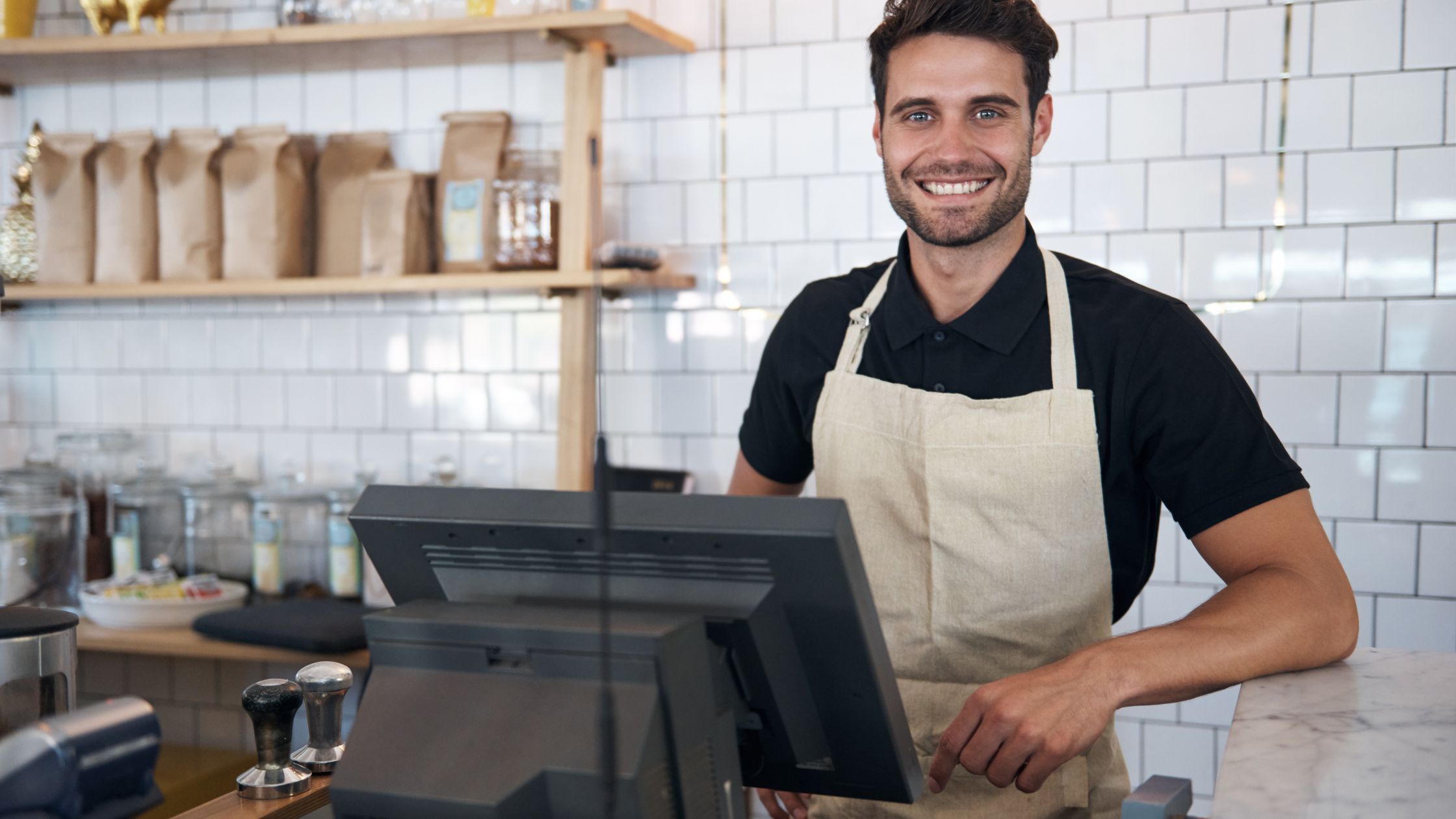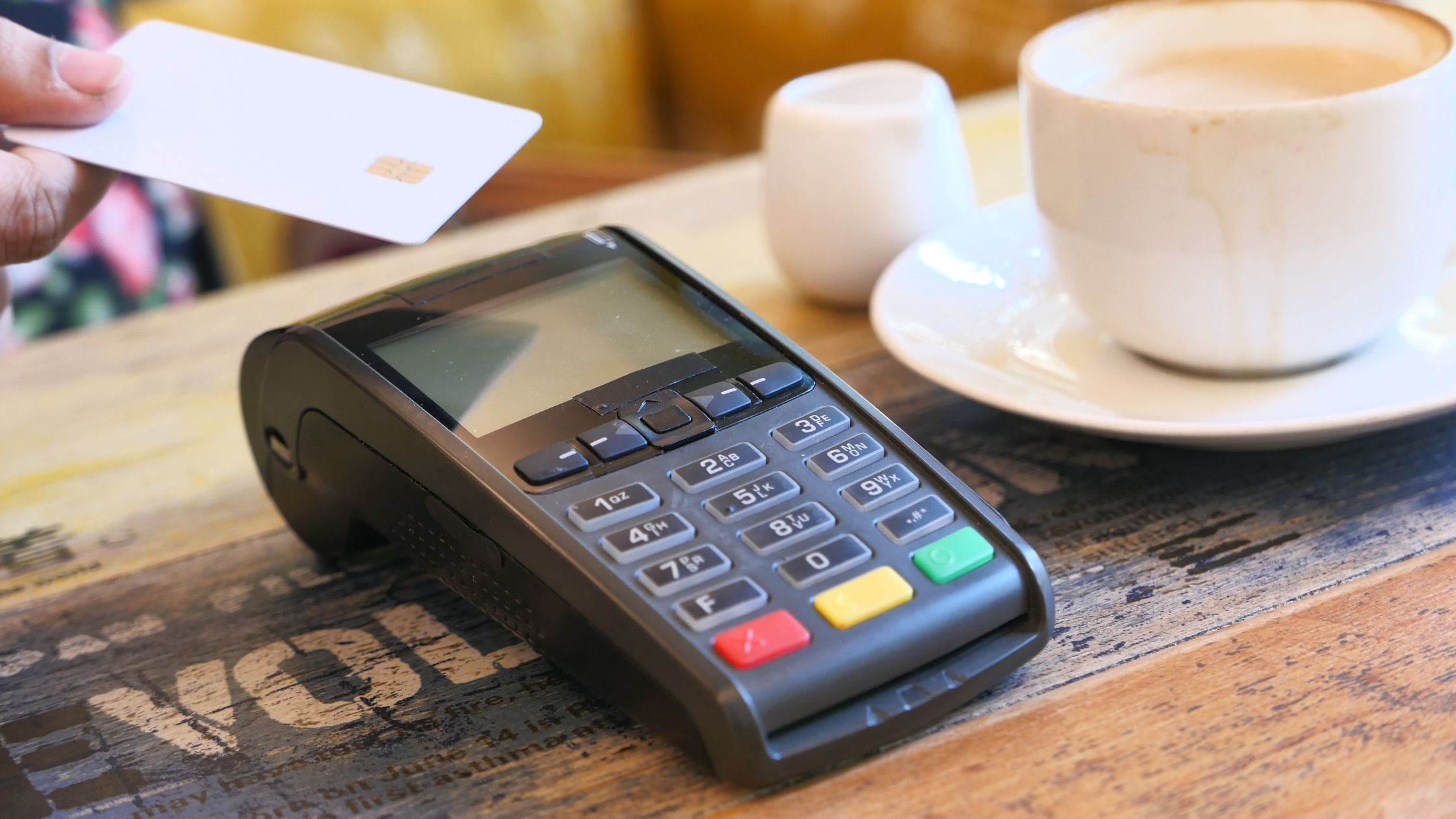
Restaurant operations suffer immediately when a POS system fails during busy hours. Order errors, billing delays, and system downtime directly impact revenue and customer trust. Therefore, choosing a trustable POS for restaurants remains a critical business decision. This guide explains how the right POS system improves reliability, efficiency, and long-term control. Moreover, you will learn what features define a dependable solution and how restaurants can prepare for stable growth in 2026. In addition, you will see how offline readiness, clear workflows, and strong reporting reduce chaos when pressure peaks. As a result, your team keeps service moving, protects margins, and builds consistent guest experiences even on the busiest days.
What “Trustable” Truly Means in Restaurant POS
A trustable POS for restaurants earns trust through three outcomes: uptime, accuracy, and control. Here is how:
- First, the system must stay available, because staff must take orders even when the internet drops.
- Second, the system must stay accurate, because one wrong modifier can ruin a guest experience and waste inventory.
- Third, the system must stay controllable, because managers must enforce pricing, permissions, and workflows consistently.
Moreover, trust grows when the POS supports your real service model instead of forcing you into a generic workflow. So, you should judge trust by performance in real scenarios, not by feature lists alone. Learn more about Complete POS Setup Guide for Restaurants.
How a Trustable POS Supports Peak-Hour Performance
Peak hours test every part of a restaurant’s operation. During rush periods, staff move faster, orders increase, and mistakes become more costly. Therefore, a trustable POS for restaurants must protect speed, accuracy, and control when pressure is highest, like:
1) Faster Order Entry With Minimal Delays
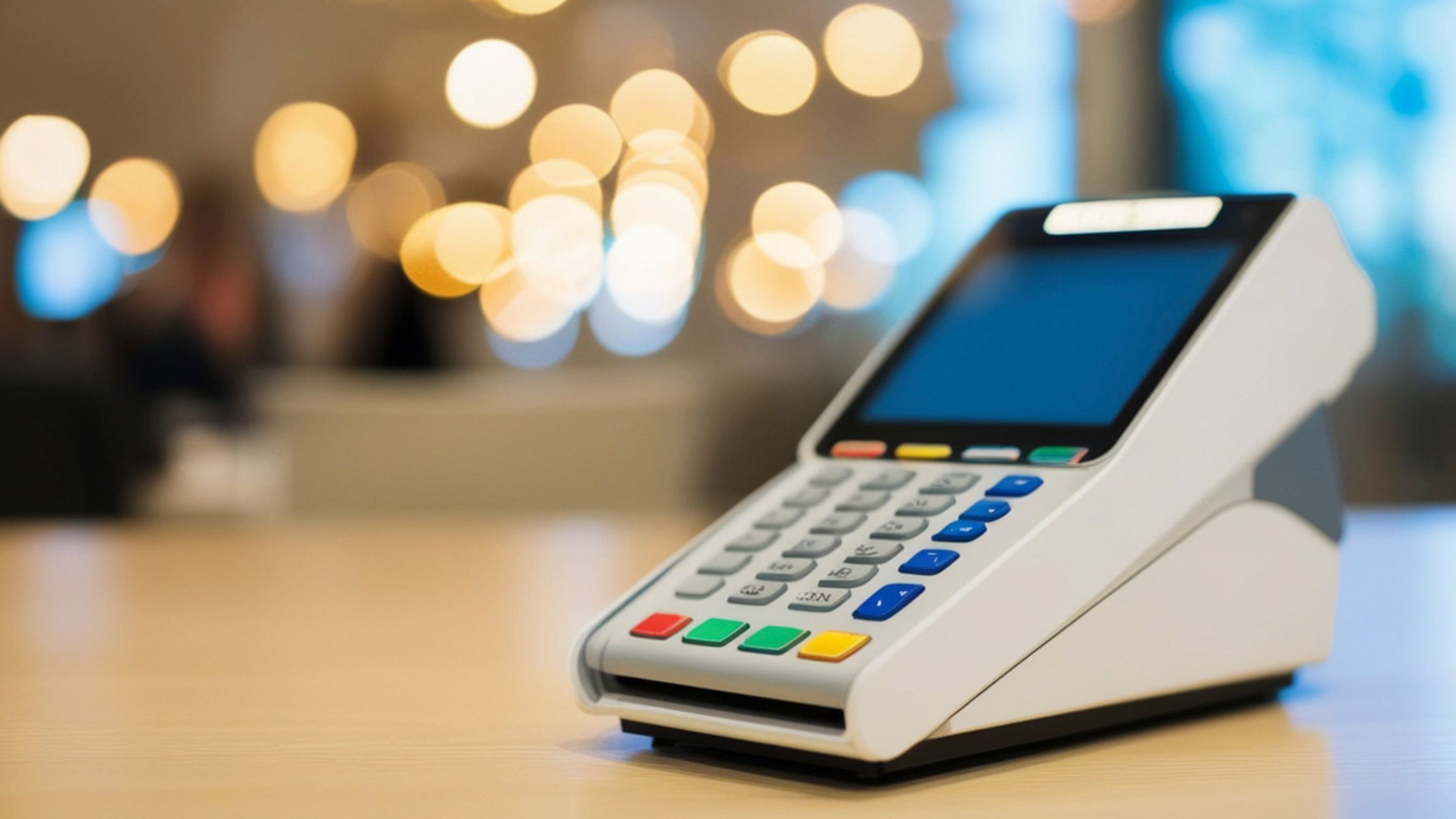
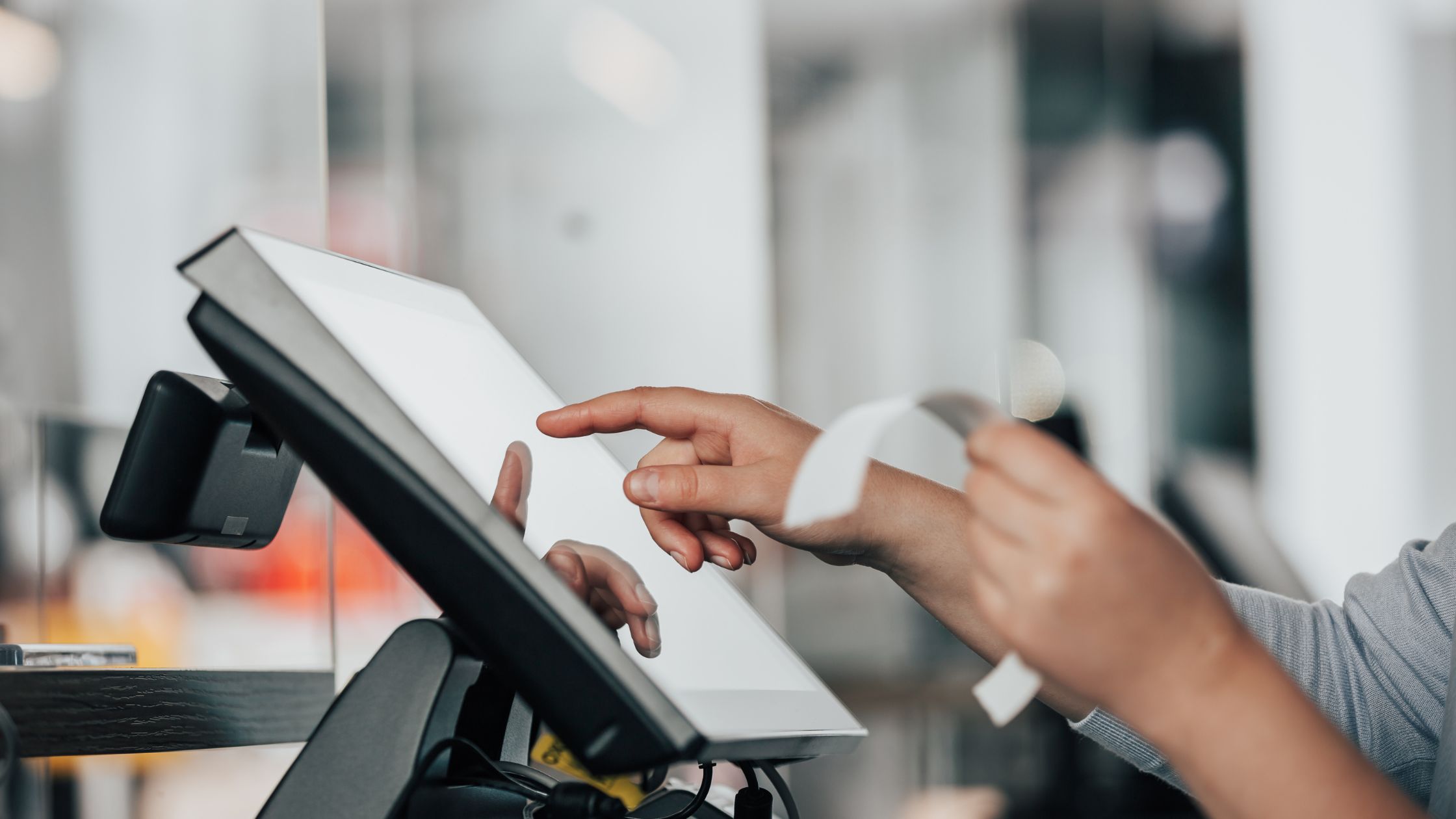
A trustable POS for restaurants keeps the ordering flow simple and responsive, even when volume spikes. As a result, staff enter orders quickly without system lag or screen freezes. Consequently, guests experience shorter wait times and smoother service during busy periods.
2) Accurate Kitchen Routing Under Heavy Load
During peak hours, ticket volume increases sharply, and accuracy becomes critical. A trustable POS for restaurants routes orders and modifiers clearly to the correct kitchen stations. Therefore, the kitchen maintains rhythm, reduces confusion, and avoids costly rework.
3) Stable Performance Without Internet Dependency
Connectivity issues often appear during high usage times. However, a trustable POS for restaurants continues operating without interruption, even if the internet slows or disconnects. As a result, billing, order processing, and kitchen communication remain stable throughout the rush.
4) Clear Staff Control and Reduced Operational Errors
Peak service amplifies human error when systems lack structure. A trustable POS for restaurants enforces permissions and workflows automatically, so staff follow consistent processes. Consequently, managers maintain control while teams focus fully on service execution.
When a POS system performs reliably under pressure, restaurants gain confidence during their busiest hours. By supporting speed, accuracy, and stability, a trustable POS for restaurants ensures peak-hour service stays efficient, controlled, and profitable without unnecessary stress on staff or operations.
Trustworthy POS for Restaurants vs Cloud-Based POS Systems
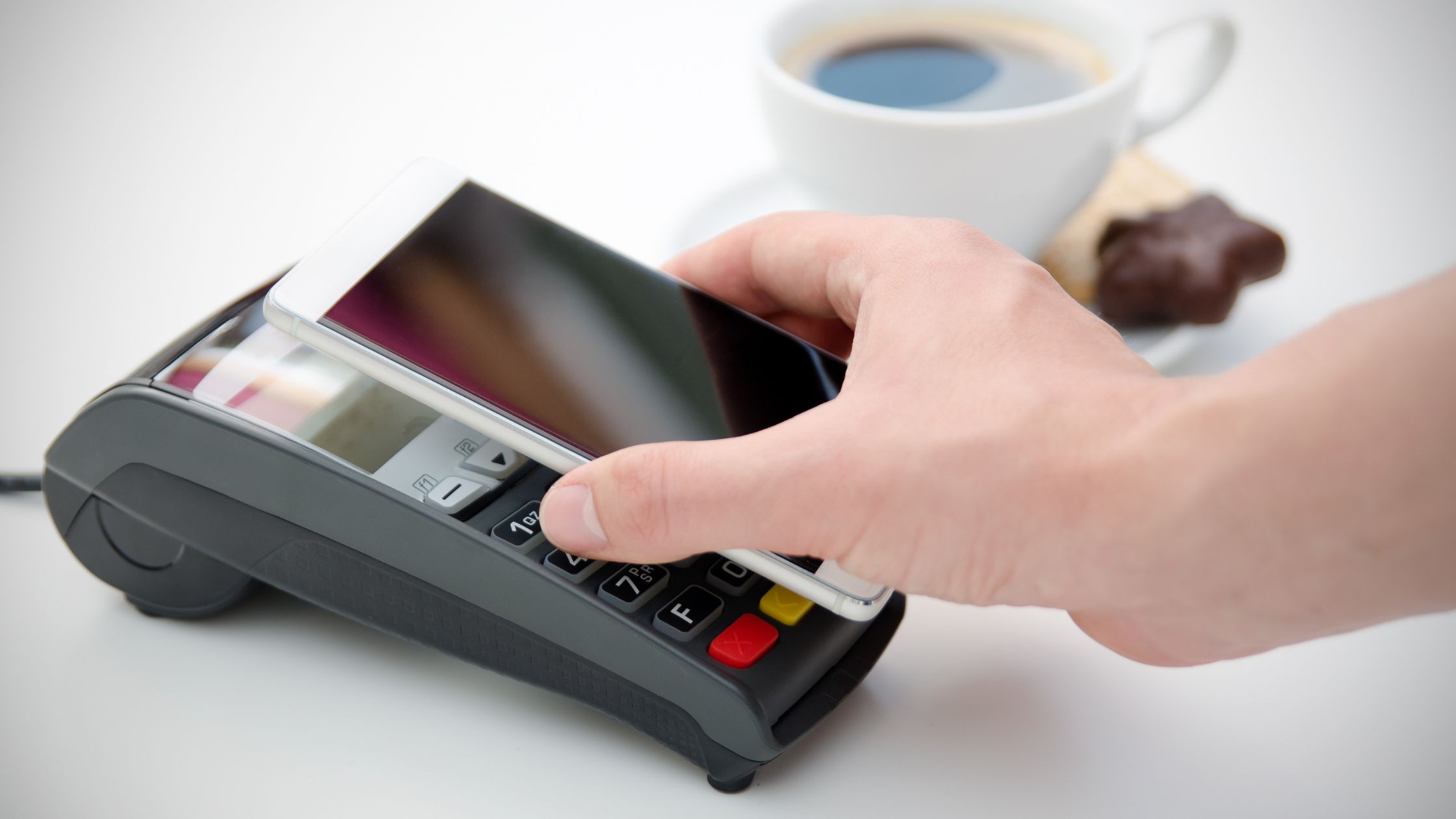
A trustworthy POS for restaurants focuses on reliability, control, and uninterrupted operations, even during internet outages. These systems typically run locally, which allows restaurants to process orders, payments, and kitchen tickets without depending on constant connectivity. As a result, service remains stable during peak hours, and restaurants avoid disruptions caused by network failures. This reliability makes a trustworthy POS for restaurants ideal for businesses that prioritize consistency and operational control.
In contrast, cloud-based POS systems rely heavily on internet access and remote servers. While they offer remote access and automatic updates, they can slow down or stop functioning during connectivity issues. Additionally, cloud platforms often require ongoing subscriptions and limit data ownership. Therefore, restaurants that value performance stability, cost control, and data ownership often prefer a trustworthy POS for restaurants over cloud-dependent alternatives.
Data Control and Ownership in a Trustable POS for Restaurants
Data ownership keeps your restaurant independent. Therefore, a trustworthy POS for restaurants should let you access, protect, and manage your data without outside dependency, through:
- Always Accessible Records: A reliable restaurant POS gives managers instant access to sales, orders, and reports for fast decisions during disruptions.
- Clear Tracking and Accountability: A trustable POS for restaurants logs discounts, voids, and edits clearly. Therefore, you reduce disputes and control revenue leakage.
- Safer Data Handling: A trustworthy POS for restaurants keeps operational data under your control. Consequently, you reduce unnecessary third-party exposure.
- Flexibility for Growth: A trustable POS for restaurants supports changes as your business evolves. Thus, you scale workflows without losing control.
When you own the data, you protect stability. That is why data control matters in a trustworthy POS for restaurants.
Who Benefits Most From This POS Approach
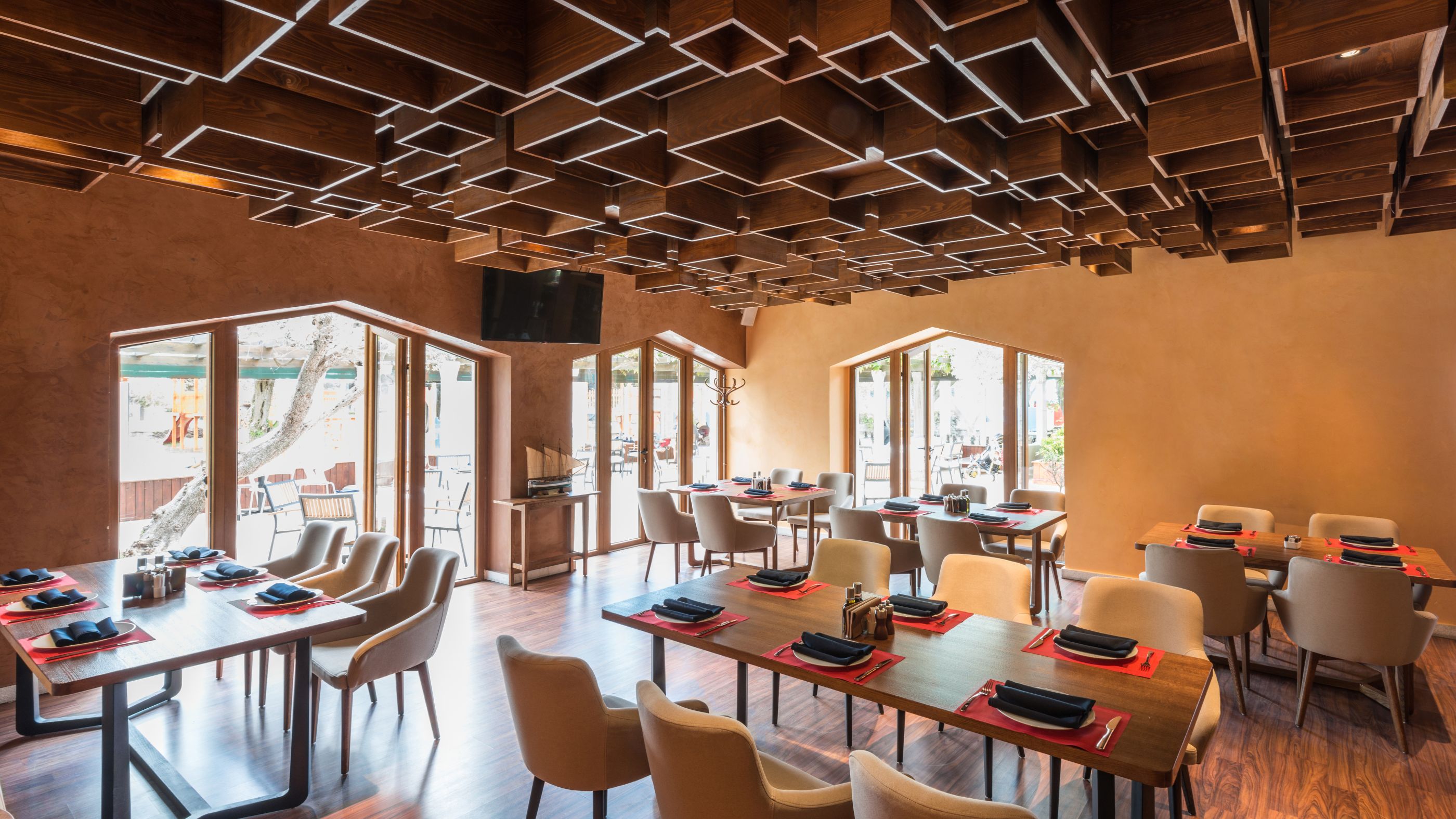
This POS approach supports a wide range of food service businesses that require reliability, flexibility, and operational control, like:
I) Full-Service Restaurants: These restaurants benefit from structured table management, accurate billing, and smooth kitchen coordination.
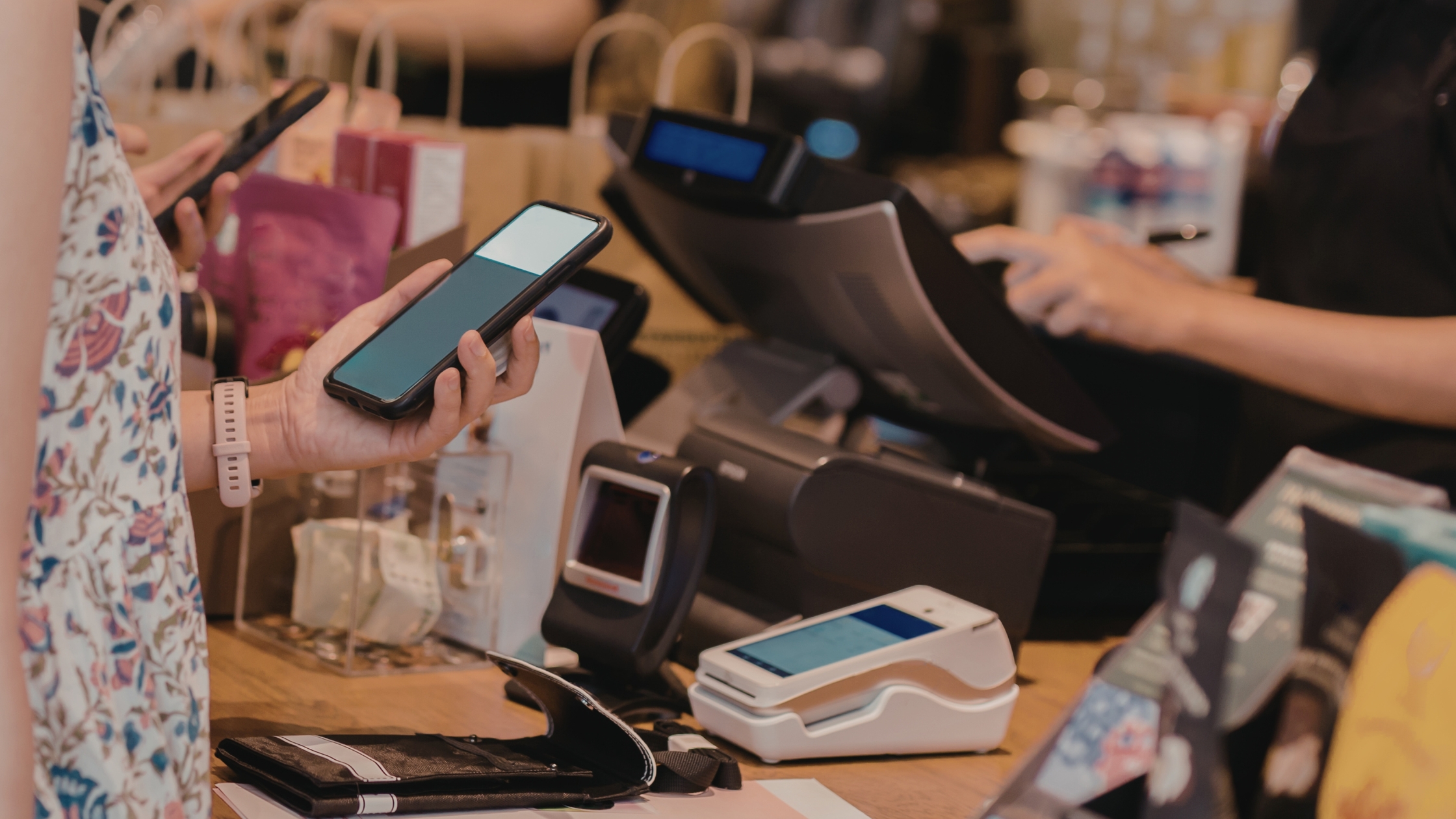
II) Cafés and Coffee Shops: Fast order entry and quick payments help cafés maintain speed during high customer turnover.
III) Fast-Food Outlets: High-volume environments gain efficiency through rapid order processing and minimal service delays.
IV) Bars and Pubs: Split tabs and flexible payment handling simplify complex drink orders and peak-hour transactions.
Because of its adaptability, this system consistently proves itself as a trustworthy POS for restaurants across diverse service formats.
Conclusion
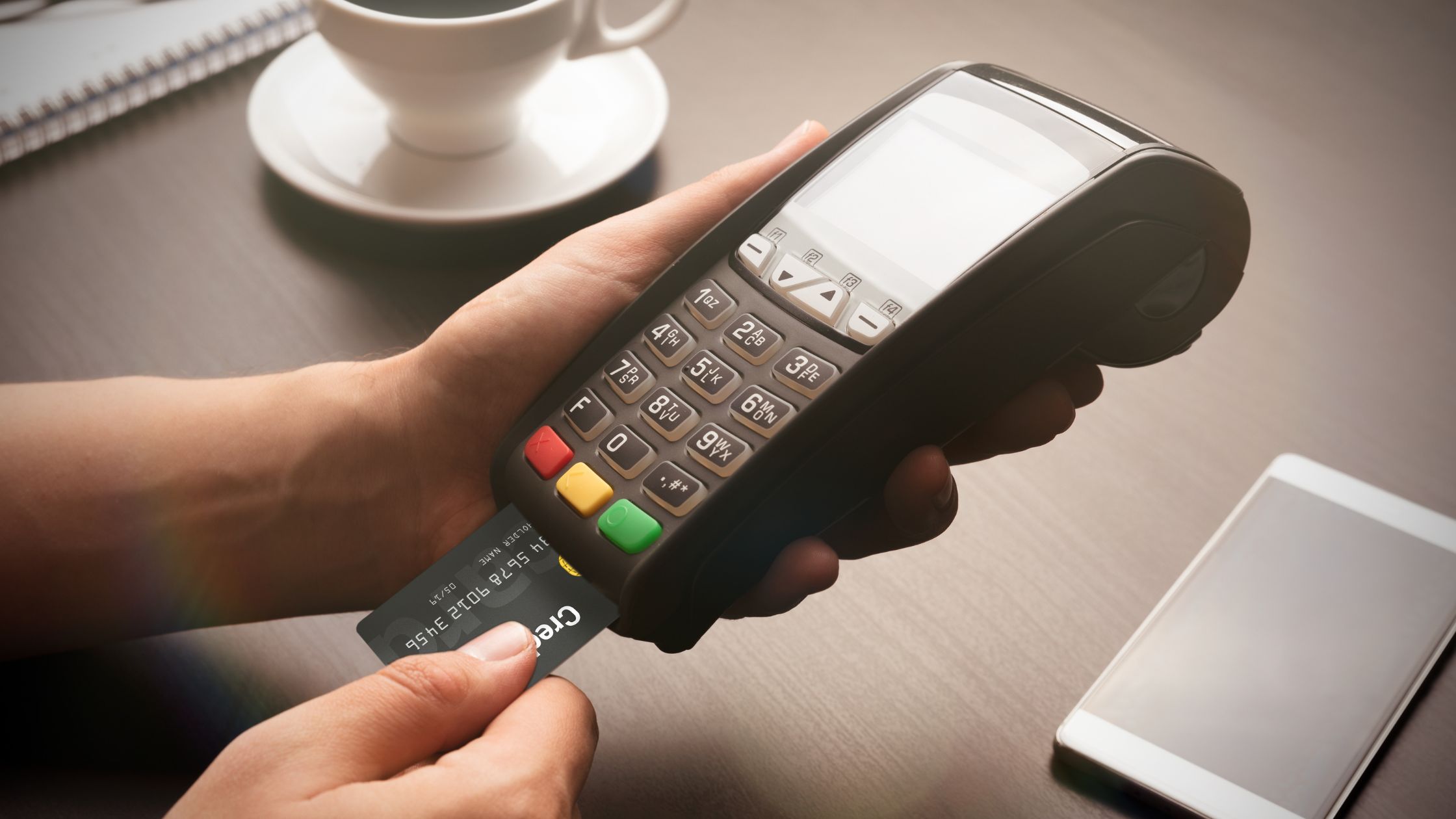
Choosing a reliable POS for restaurants affects service quality, stability, and success. Floreant POS offers strong offline performance and workflows designed for restaurants. It provides full ownership without ongoing costs. When paired with integrations, it boosts connectivity and efficiency. For businesses wanting reliability and control in 2026, this option is a smart choice. Additionally, its open-source foundation gives restaurants flexibility to customize features as operations grow. As a result, teams stay resilient during internet issues while maintaining consistent service speed.