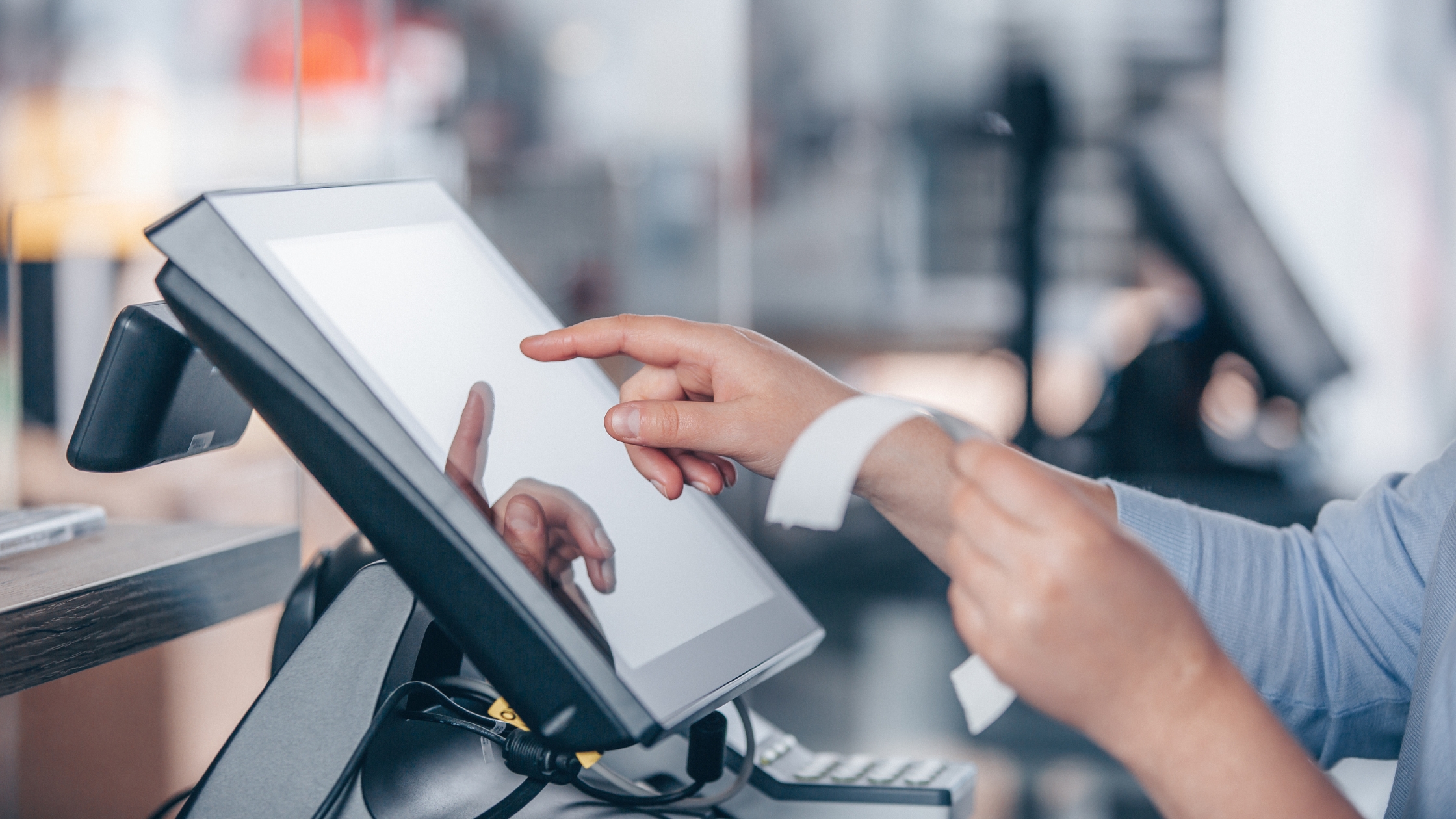
Restaurants handle hundreds of small actions every day, from taking orders to coordinating kitchens and closing bills. Therefore, businesses increasingly rely on systems that remove repetition and reduce human error. Workflow automation with POS helps restaurants organize these actions into a single, predictable process. Instead of juggling separate tools, teams follow a unified operational flow. As a result, service becomes faster, clearer, and more consistent across shifts. Moreover, automation reduces decision fatigue by guiding staff through defined steps. Consequently, teams focus more on customer experience rather than operational corrections.

The Role of Automation in Reducing Operational Errors
Workflow automation connects routine restaurant tasks into one structured system. Consequently, staff no longer manage orders, payments, and updates manually. A POS platform like Floreant operates locally and handles these processes in real time. Because the system runs without constant internet dependence, restaurants maintain stability during busy hours. Moreover, automation ensures that each task moves forward without delays or confusion. As a result, teams rely on system-guided workflows instead of memory-based coordination, which improves accuracy across every service stage.
Additionally, structured automation standardizes daily operations across shifts and staff changes. Therefore, new team members adapt faster because the system defines each step clearly. Over time, this consistency reduces training gaps, limits operational variation, and strengthens overall service reliability without adding complexity. Moreover, managers gain confidence knowing that workflows remain stable regardless of staffing changes.
Building Consistency Through Automated POS Processes
Structured POS automation creates repeatable workflows that teams follow every day. Therefore, restaurants replace uncertainty with system-driven consistency across service stages.
1. Order Flow Becomes Structured
Automated POS systems route orders directly from service staff to preparation areas. Therefore, kitchens receive accurate instructions instantly without manual clarification. As a result, teams reduce miscommunication and maintain steady preparation timing.
2. Task Coordination Improves
POS automation aligns front-of-house and back-of-house actions within one system. Consequently, staff coordinate service steps without relying on verbal follow-ups. This structure keeps operations organized and responsive during peak service periods.
3. Manual Errors Decrease
Automation replaces handwritten notes and memory-based task handling completely. Therefore, billing accuracy improves while order discrepancies steadily decline. Over time, restaurants achieve stronger consistency across daily service workflows.
4. Reporting Becomes Instant
POS platforms collect operational data continuously throughout service hours. As a result, managers review sales, performance, and trends without manual effort. This visibility supports faster decisions based on accurate operational insights.
5. Operations Stay Reliable Offline
Local POS systems continue functioning without constant internet connectivity. Consequently, restaurants avoid downtime during network interruptions or outages. This reliability ensures uninterrupted service and consistent workflow execution.
When automation governs daily processes, restaurants operate with clarity and control. Consequently, consistent workflows support reliability, efficiency, and long-term operational stability.

Operational Clarity Through POS Automation
Modern restaurants require systems that reduce complexity without slowing service. Therefore, POS-driven automation plays a critical role in organizing daily operational tasks.
- POS-driven automation structures daily restaurant tasks into a clear operational flow. Therefore, teams reduce uncertainty by following system-defined processes.
- Automation improves visibility across service stages. As a result, staff anticipate tasks more effectively during service periods.
- Structured workflows support consistency during high-volume operations. Consequently, restaurants maintain performance despite demand fluctuations.
- System-guided processes reduce reliance on individual judgment. Over time, accuracy and accountability improve across daily tasks.
When POS automation governs workflows, restaurants gain clarity and control. Consequently, operations remain efficient, stable, and predictable.
Managing Cognitive Load in Busy Service Environments
Restaurant teams make constant decisions under time pressure, which often leads to fatigue and inconsistency during service. Therefore, system-guided workflows reduce mental strain by defining clear next steps for every task. Moreover, POS-based automation removes guesswork during peak service by guiding actions automatically through structured processes. As a result, staff maintain focus, accuracy, and service quality even when order volume increases and time constraints tighten. Additionally, clear system prompts help teams respond faster without second-guessing their actions.
Moreover, reducing cognitive load improves team confidence and execution speed across daily operations. Consequently, staff spend less time verifying actions or seeking confirmations and more time delivering consistent service. Over time, this clarity supports smoother shifts, fewer operational interruptions, and improved coordination between teams. As a result, restaurants achieve better overall task flow without increasing system complexity or management oversight. Learn more about Future-Proof Your Restaurant With Best POS Hardware 2026.
Long-Term Benefits of POS Automation
POS-driven automation delivers long-term value by supporting consistency, scalability, and reliable daily operations as restaurants grow.
i. Scalable Operations: Automated POS workflows scale smoothly as order volume, locations, and service models expand.
ii. Consistent Service Standards: System-guided processes ensure uniform service quality across shifts, teams, and peak hours.
iii. Reduced Manual Oversight: Automation minimizes constant supervision by guiding staff through defined daily workflows.
iv. Improved Long-Term Accuracy: Structured automation reduces cumulative errors and improves data reliability over time.
v. Sustainable Daily Performance: POS-driven workflows support stable operations without increasing complexity or workload.
Over time, structured POS workflows help restaurants maintain efficiency, accuracy, and operational stability without increasing complexity or oversight demands.

Conclusion
Restaurants succeed when systems support speed, accuracy, and control. POS-driven automation transforms daily work into an organized process that reduces errors and delays. Floreant demonstrates how locally operated POS platforms support reliable workflow automation without unnecessary complexity. For organizations seeking structured insight into operational systems, evaluation clarity, and long-term planning, Floreant POS provides informed guidance that supports confident decision-making.
FAQs
1. What does workflow automation with POS mean?
Workflow automation with POS means using a centralized system to manage orders, payments, and operations automatically, reducing manual coordination.
2. How does a POS system streamline daily restaurant tasks?
A POS system connects order entry, kitchen communication, billing, and reporting into one structured workflow.
3. Can POS automation work without internet access?
Yes, locally operated POS systems continue functioning offline, which ensures uninterrupted operations.
4. Who benefits most from POS workflow automation?
Restaurants, cafés, and hospitality businesses benefit most because automation improves speed, accuracy, and operational consistency.