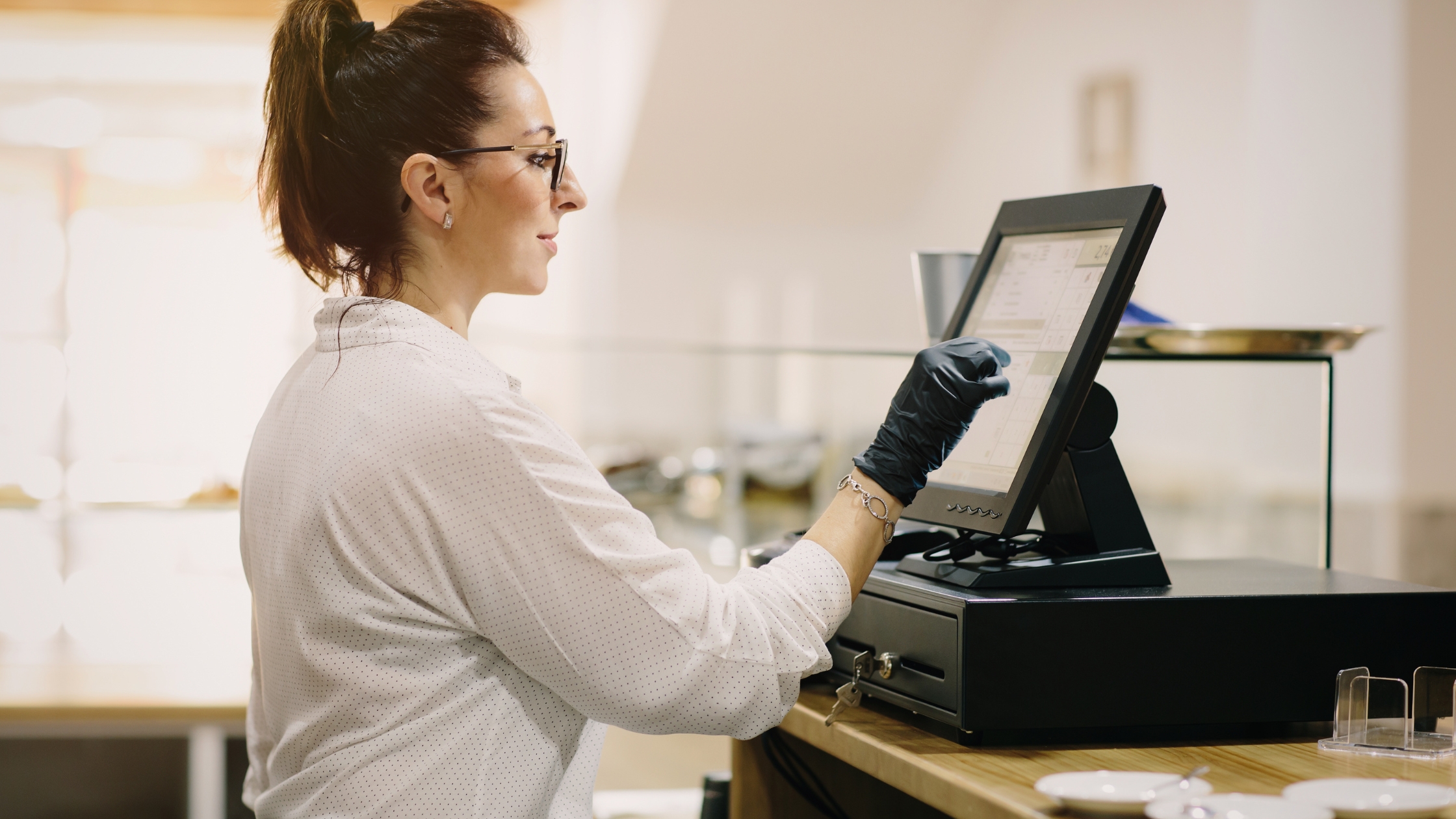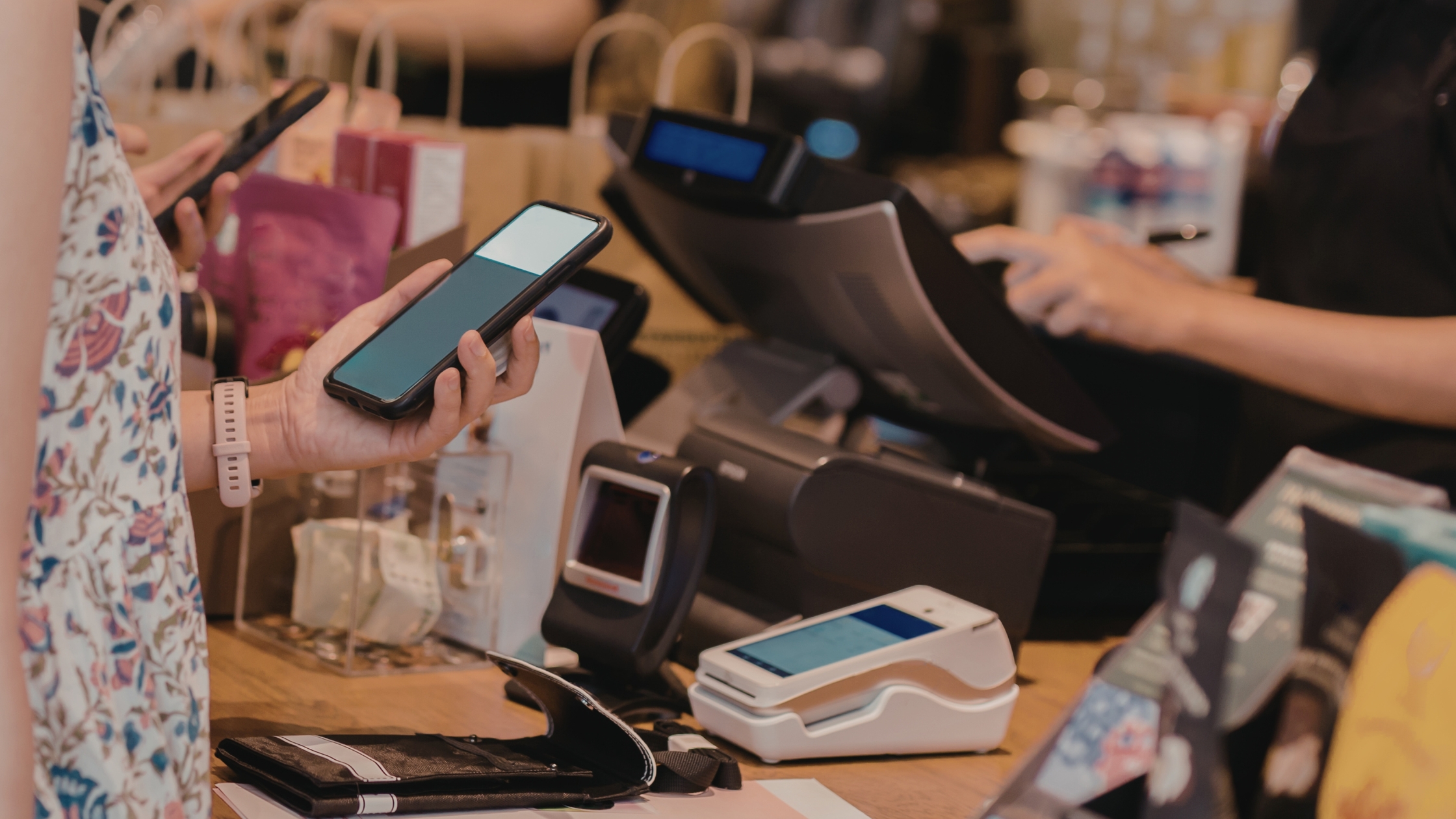
Running a restaurant moves fast—rush-hour orders, split payments, discounts, modifiers, and staff changes happening at the same time. Therefore, your POS must stay reliable, predictable, and easy to control. When you choose a restaurant pos without monthly fees, you avoid subscription lock-in while keeping your day-to-day workflow stable. Moreover, a locally installed, non-cloud setup keeps service moving even when the internet drops, which helps you protect momentum during peak hours. Floreant POS positions itself as a free, open-source restaurant POS that runs offline and installs with an embedded database, so teams can start working without depending on constant connectivity.
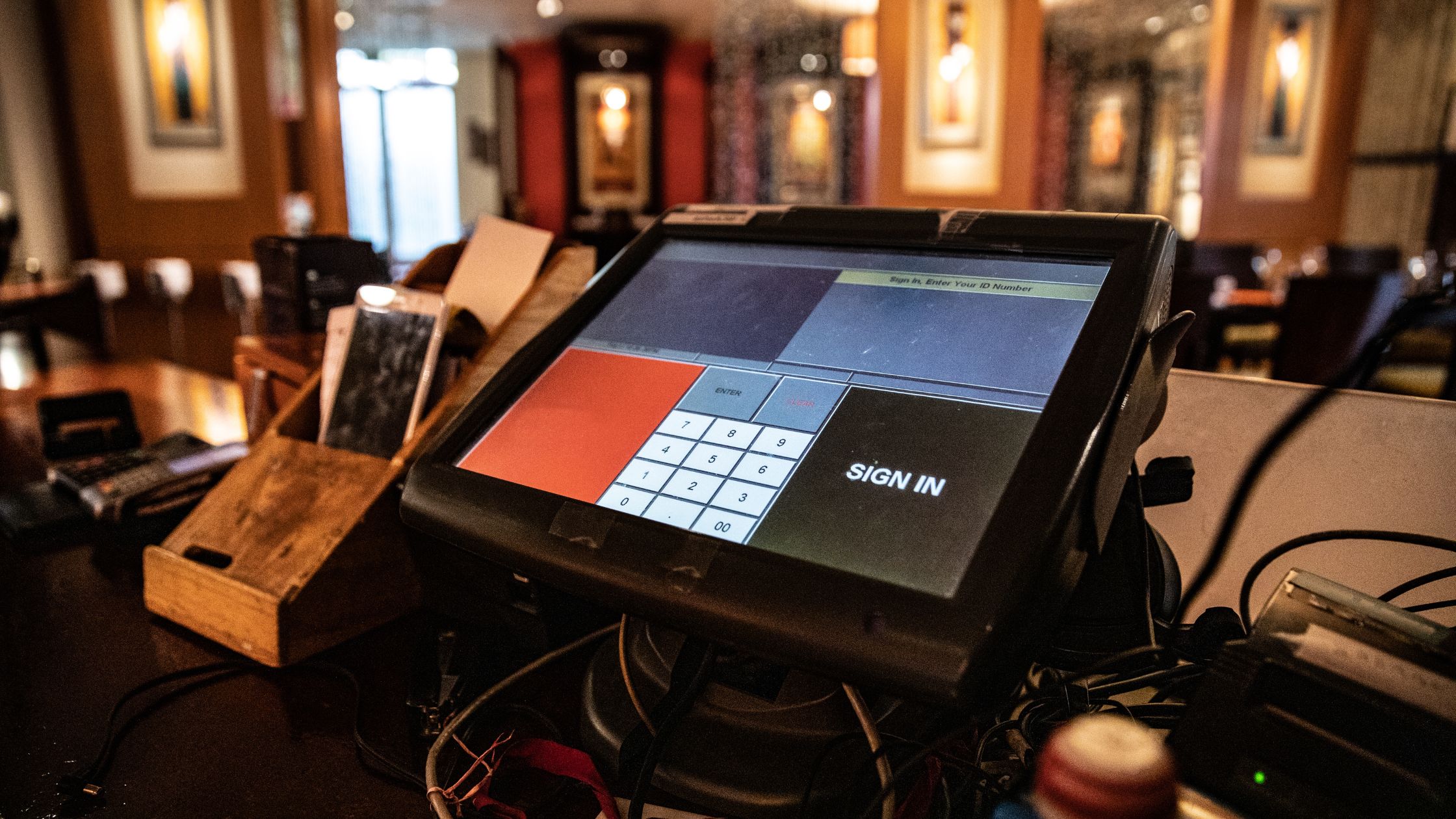
Why a Restaurant POS Without Monthly Fees Matters
A subscription model can feel simple at first. However, restaurants often need long-term flexibility, especially when staff rotate, menus change seasonally, or new stations get added. Consequently, a restaurant pos without monthly fees can reduce friction because you control how you run the system and how you expand it. Without a predictable POS foundation, restaurants commonly face:
- Forced workflow changes due to vendor updates
- Internet-related downtime that slows ordering and payments
- Limited customization when your service style evolves
- Restricted access to data when you need faster decisions
On the other hand, a local POS that runs offline can keep service steady while you maintain control over your menus, reports, and operations. Floreant emphasizes offline operation and a non-cloud approach, which supports stable performance in low-network environments.
Key Benefits of a No-Monthly-Fee Restaurant POS
Choosing a restaurant POS without monthly fees saves money, ensures reliability during rush hours, and supports business growth. Here is how:
1) Full Control With Open-Source Flexibility
When you run a restaurant pos without monthly fees, you keep control over how the system behaves. Additionally, open-source access can support deeper customization when your restaurant needs specific flows. Floreant states that it provides source code and freedom to extend the software, which supports long-term adaptability.
2) Offline Reliability During Real-World Service
Restaurants cannot pause when Wi-Fi fails. Therefore, offline functionality matters because it keeps order-taking and core operations moving. Floreant highlights that it runs without needing the internet and frames itself as a non-cloud POS.
3) Straightforward Installation For Faster Rollout
A POS that installs cleanly reduces setup stress. Moreover, teams can train faster when the system stays consistent. Floreant notes an embedded database and a straightforward installation approach, which supports quicker deployment for smaller teams.
4) Restaurant-Ready Hardware Compatibility
Restaurants need practical hardware support to keep service smooth. Consequently, touchscreen terminals, kitchen printers, and cash drawers matter for speed and accuracy. Floreant describes support for touchscreen terminals, kitchen printers, and cash drawers, which fit common restaurant station setups.
5) Expandability Through Plugins And Upgrades
Many restaurants start simple and scale later. Therefore, you should choose a restaurant pos without monthly fees that still leaves room to grow. Floreant lists additional plugins and mentions upgrade paths (including a PRO version and optional add-ons), which can support expansion as your operation evolves.
The best fee-free POS stays reliable offline, supports your hardware, and scales as you grow. Then, it becomes a long-term asset—not a monthly expense.
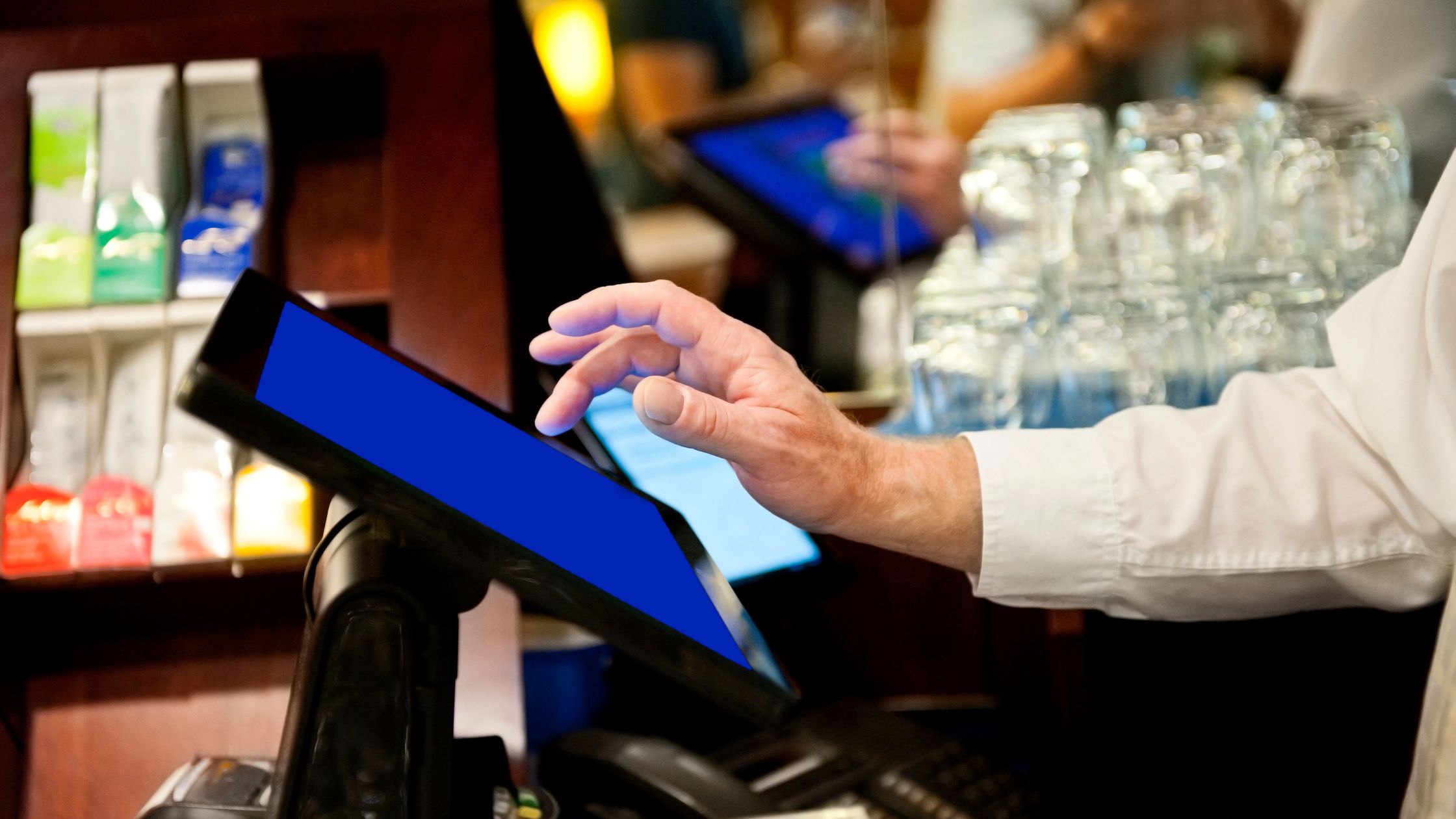
How to Set Up a No-Monthly-Fee Restaurant POS
Choosing the right software matters, yet your daily habits matter too. Therefore, use the steps below to keep service fast, reporting clean, and staff actions consistent.
A) Build Roles That Match Restaurant Jobs
You should assign access based on responsibilities, because role clarity prevents chaos during rush hours. For example:
- Servers: create orders, send to kitchen, print checks
- Cashiers: take payments, close tickets, handle basic adjustments
- Managers: approve voids, discounts, comps, and shift close
- Admin: configure menus, taxes, terminals, and system rules
Additionally, you should give each staff member an individual login, because accountability stays clear when actions trace back to a single user.
B) Standardize Order Flow For Speed And Accuracy
A restaurant pos without monthly fees still needs a consistent flow. Therefore, you should define a simple routine: seat → order → send → modify → fire → pay → close. Moreover, you should use clear modifier groups and item notes so the kitchen receives clean tickets during peak hours.
C) Lock Menu And Pricing Behind Manager Access
You should restrict menu edits, because accidental price changes create disputes at checkout. Consequently, you protect both revenue and guest trust when only managers can update prices, delete items, or change tax rules.
D) Create A Consistent End-of-Day Close Routine
A POS stays useful when you keep data clean. Therefore, you should close each day with a repeatable checklist:
- Verify open checks
- Reconcile cash drawers
- Review voids, discounts, refunds, and “no sale” opens
- Confirm sales totals align with receipts and payment batches
Additionally, you should review exceptions quickly, because small issues grow when you ignore them. Learn more about Restaurant POS in 2026.
E) Protect Devices And Your Local Setup
Even with a restaurant pos without monthly fees, you must protect the station environment. Therefore, you should keep terminals in staff-only areas, limit USB access, and use a dedicated network if you connect multiple terminals. Moreover, you should keep admin access limited to trusted owners or operators.

POS Habits That Break Accuracy
A good POS cannot fix bad habits. Therefore, avoid these common issues:
- You share logins, which removes accountability.
- You leave terminals unlocked, which invites misuse.
- You let everyone edit menus, which creates inconsistent pricing.
- You skip daily reconciliation, which hides leakage.
- You expand stations without a setup standard, which slows training.
Instead, you should keep rules simple and consistent, because consistency keeps service fast and reporting dependable.
Conclusion
A restaurant pos without monthly fees gives you stronger control, simpler long-term planning, and reliable service flow—especially when you pair it with role-based access, clean menu control, and disciplined close routines. Moreover, an offline, locally run system helps your team keep working when connectivity fails, which protects guest experience during busy hours. To learn more about an open-source, offline restaurant POS approach, visit Floreant POS.