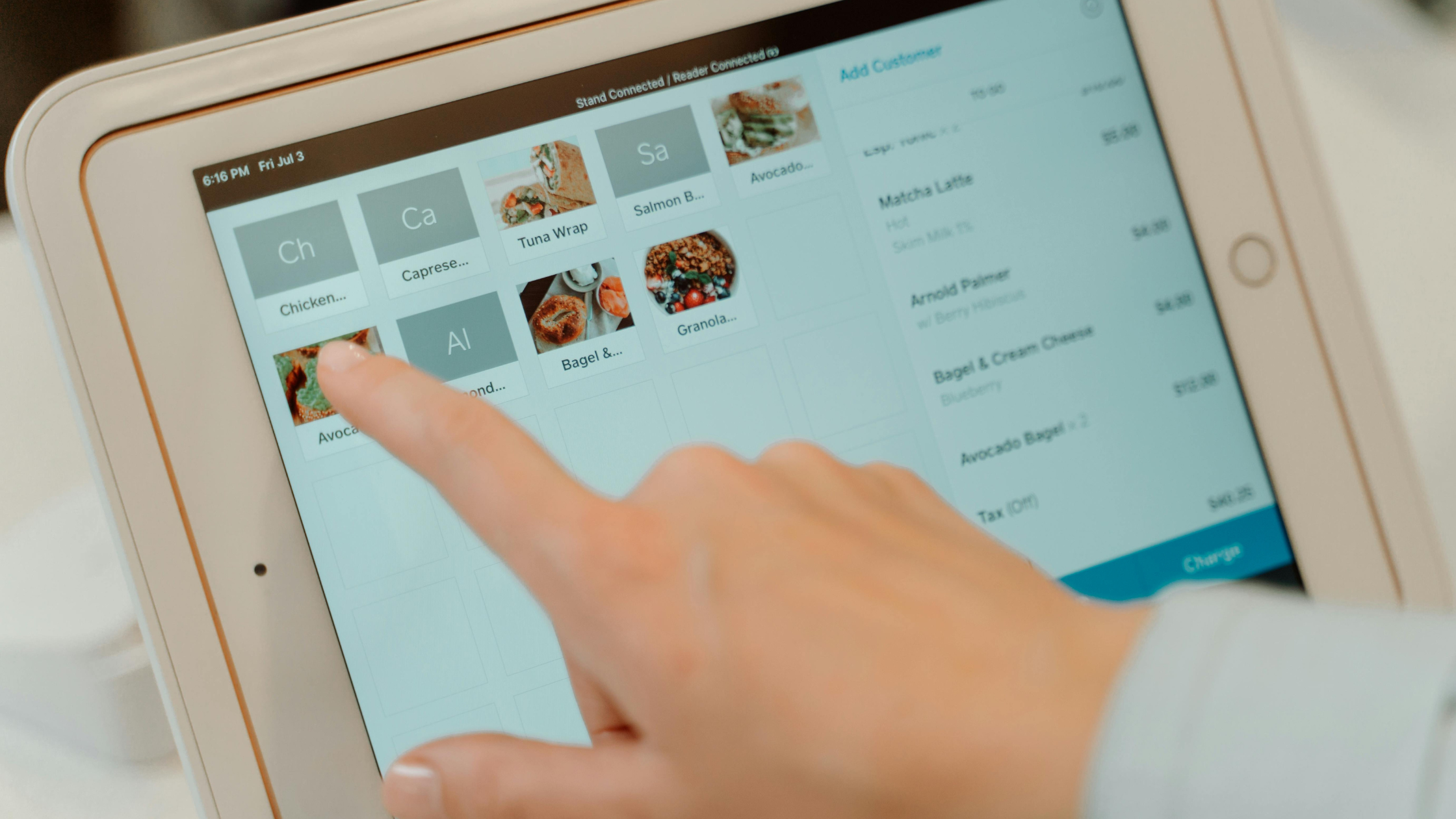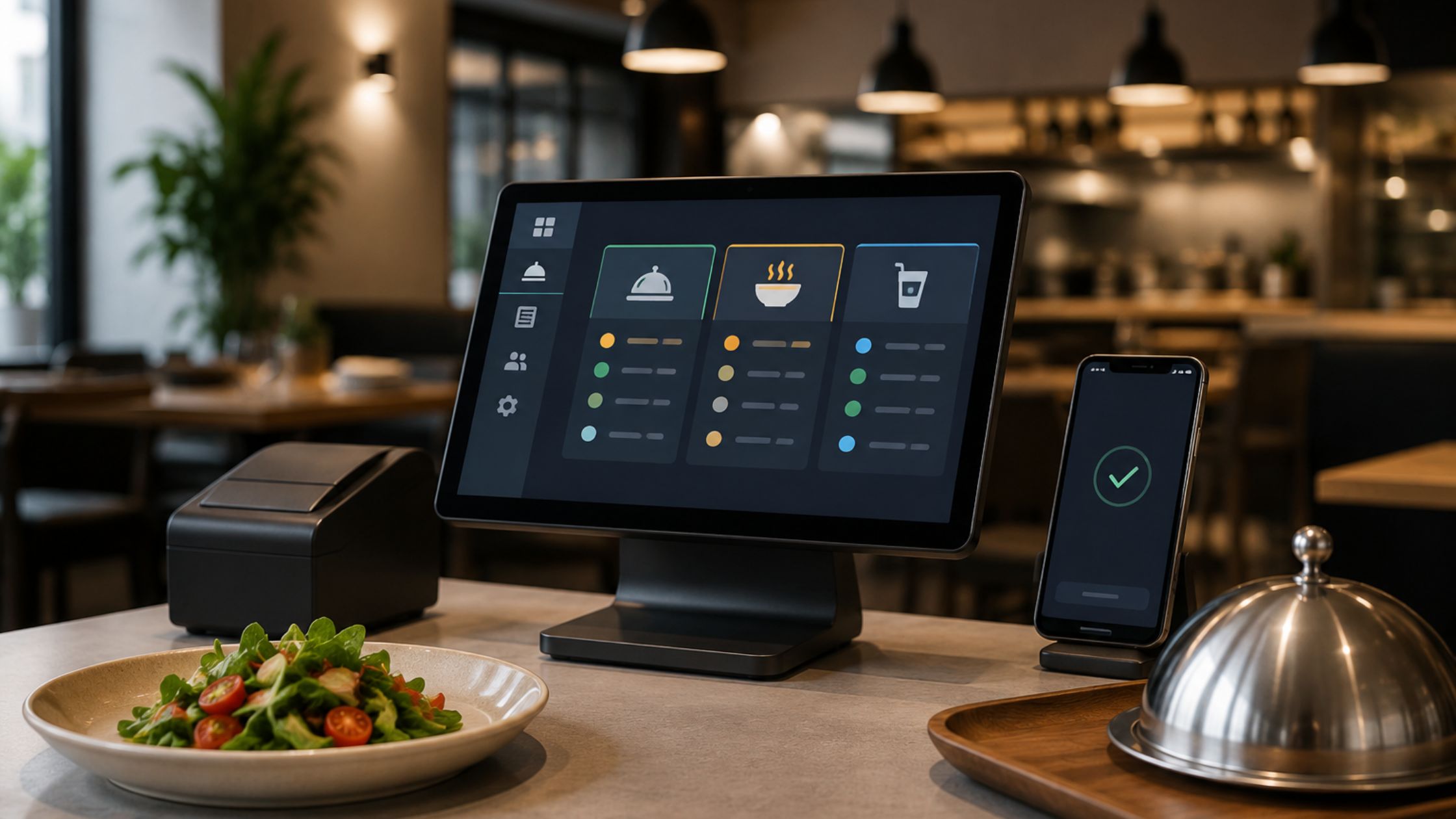
Food trucks lose sales when billing slows down. Long lines, wrong taps, and network drops create chaos fast. Moreover, small checkout delays quickly turn into angry customers and abandoned orders. Also, one billing mistake can trigger refunds, remakes, and wasted ingredients during peak rush. Therefore, Food trucks’ billing management must stay simple, fast, and offline-ready. In this guide, you will learn a practical setup that speeds checkout, reduces mistakes, and keeps service moving.
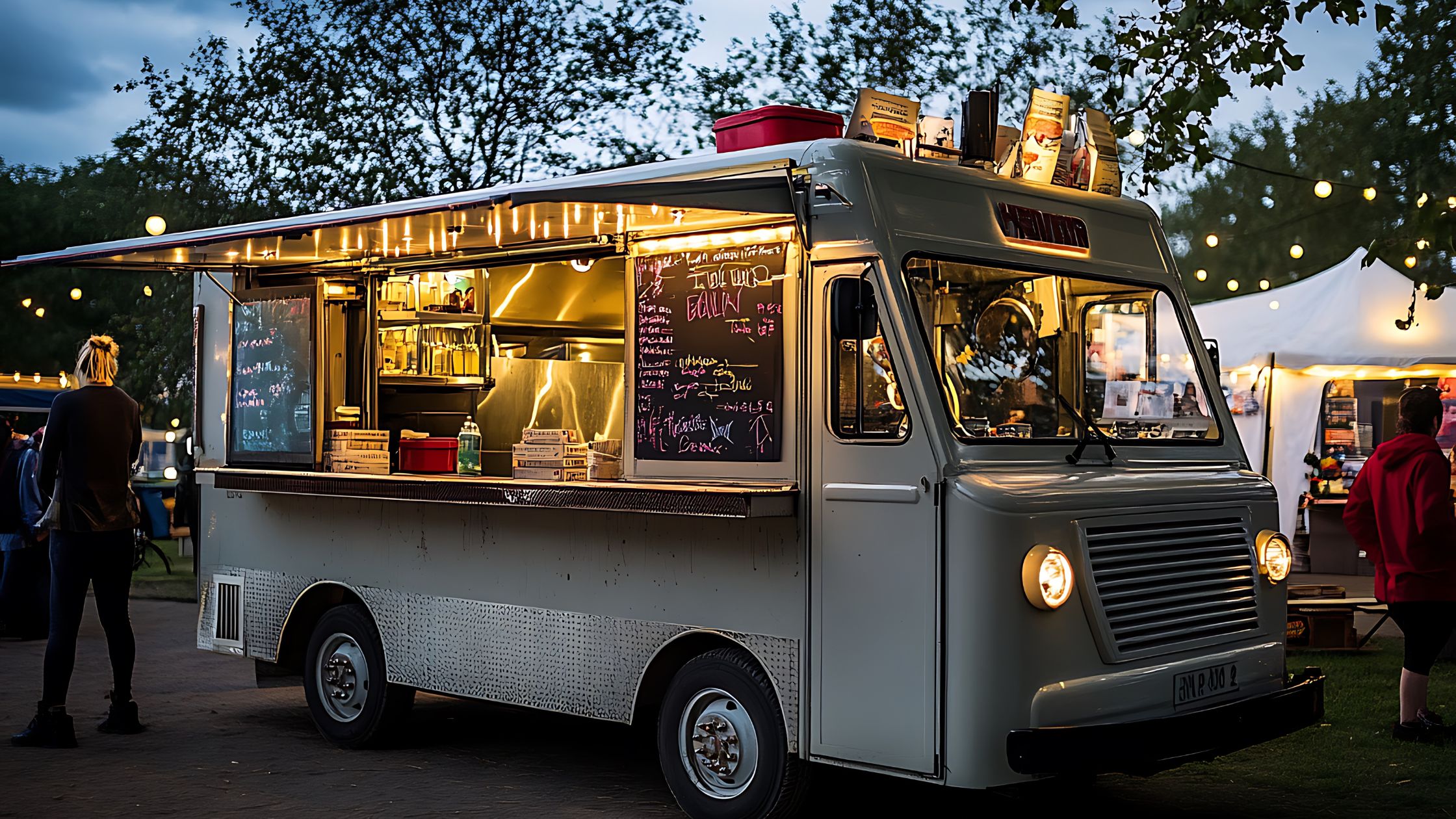
Why Food Trucks Struggle with Billing Under Pressure
Billing pressure hits food trucks faster than most businesses. Therefore, you must design a checkout for speed, clarity, and stability. Moreover, a few small fixes can prevent big revenue leaks, such as:
1) Limited Space, Faster Mistakes
Food trucks work in tight layouts, so screens feel cramped fast. Consequently, staff tap the wrong items under pressure. Therefore, Food trucks’ billing management must simplify layouts quickly.
2) Peak Rush Bursts Overwhelm Teams
Rush windows spike suddenly, so orders pile up within minutes. Moreover, staff must move fast while handling payments and packing. Therefore, Food trucks’ billing management must reduce steps per sale.
3) Multitasking Increases Billing Confusion
Teams cook, pack, and serve while taking new orders. Consequently, they lose focus and miss small billing details. Therefore, Food trucks’ billing management must keep actions predictable.
4) Unstable Internet Breaks Checkout Flow
Signals shift by location, so cloud billing can freeze unexpectedly. Moreover, a stalled POS slows service and frustrates customers. Therefore, Food trucks’ billing management must stay offline-ready.
When you reduce taps, clarify screens, and prepare for weak signals, billing becomes calmer. Consequently, your team serves faster and protects every order. Therefore, Food trucks’ billing management turns pressure into predictable performance.
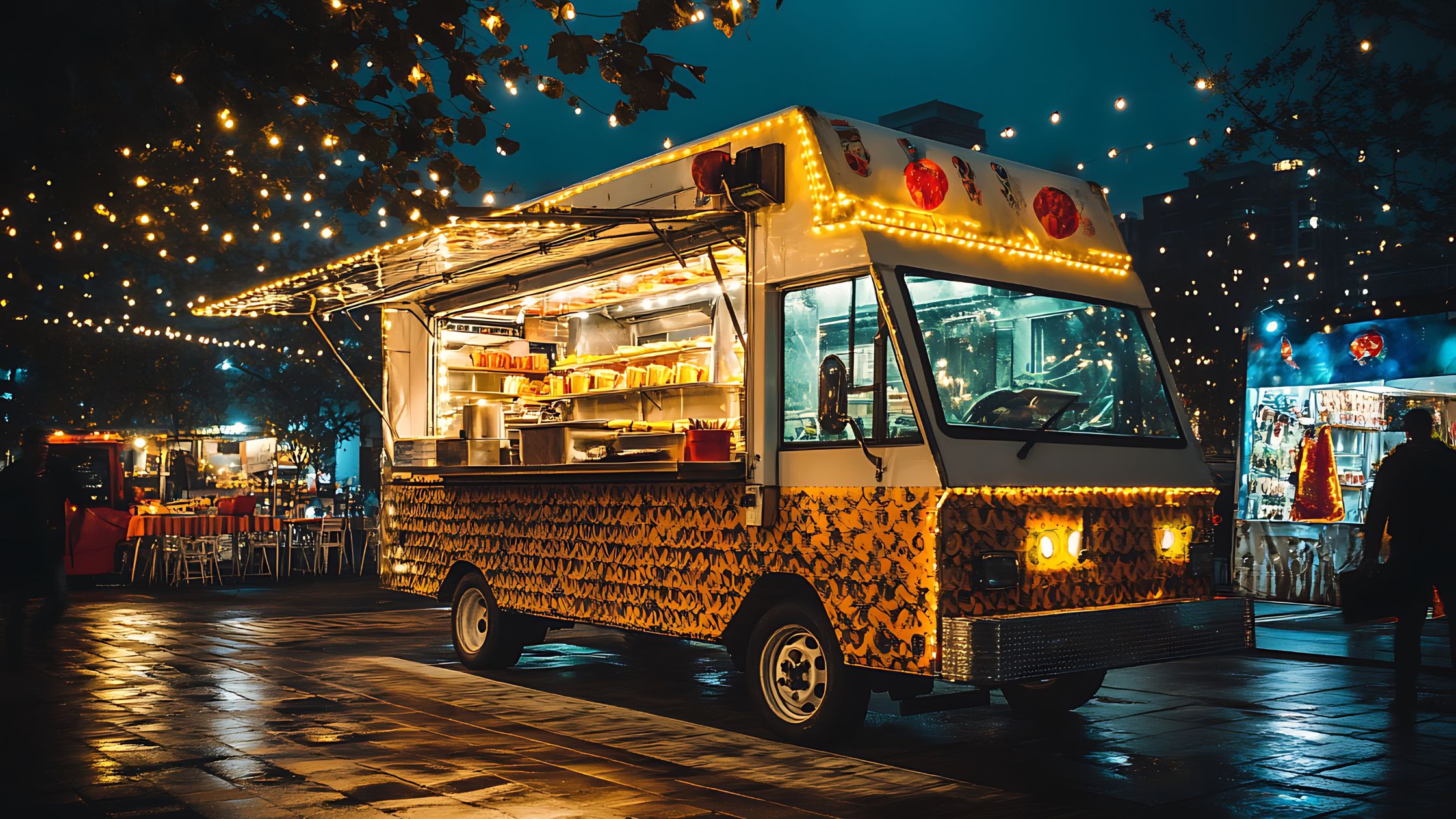
Offline-First POS Setup for Food Truck Billing
A food truck needs billing that works without internet. Therefore, use a non-cloud POS that runs locally. This approach protects sales during weak signals. Moreover, it supports daily movement across different locations. As a result, Food trucks’ billing management stays consistent at festivals, streets, and private events. Offline-first billing also improves control and speed. Consequently, your team loads the menu, opens tickets, and closes payments without waiting for a network response.
Moreover, you keep the customer flow smooth even when mobile data becomes unstable. In addition, local billing supports cleaner shift handling and end-of-day review. Therefore, you can track voids, refunds, and totals with fewer gaps in records. Moreover, you reduce disputes because the system keeps a clear transaction trail.
Build a Speed-First Menu for Faster Checkout
Fast billing begins with a clean menu layout. Therefore, group items into simple categories like Mains, Sides, Drinks, and Combos, like:
I) Use modifiers for add-ons and customization: Modifiers prevent manual price edits during rush hours. Therefore, create add-ons like extra cheese and spice levels.
II) Build combos and bundles with rules: Combos speed ordering and lift ticket size quickly. Therefore, create bundles with fixed pricing and clear choices.
III) Add size options with consistent pricing: Sizes reduce confusion when customers ask for upgrades. Therefore, set Small, Regular, and Large with fixed price gaps.
When you simplify categories, control modifiers, and standardize bundles, your team taps faster. Moreover, customers get accurate orders with fewer delays.
Order Type Structure That Keeps Billing Organized
Clear order types help teams move faster and prevent confusion when service turns hectic. Therefore, structured order flows keep billing accurate across multiple selling situations and locations.
A) Walk-Up Counter Orders
Walk-up service drives most food truck sales during short rush windows. Therefore, the order screen must stay simple, clean, and extremely fast to use. Moreover, fewer taps help staff close tickets quickly and keep the line moving.
B) Pre-Orders for Pickup
Pre-orders reduce counter pressure when customers arrive in bursts for pickup. Therefore, tickets must stay separated from live orders, with clear pickup labels and timing. Moreover, organized pre-orders prevent missed handoffs and reduce customer complaints.
C) Event and Catering Orders
Events create higher volume and larger orders that often include many repeated items. Therefore, order types must support bigger tickets smoothly, with clear grouping and quick item repeats. Moreover, consistent formatting keeps totals accurate and keeps prep aligned with delivery timing.
D) Split and Grouped Tickets
Groups often request split payments, partial payments, or separate receipts for the same order. Therefore, billing must handle splits smoothly, without forcing staff to restart tickets or re-enter items. Moreover, clear ticket separation reduces payment disputes and speeds checkout at the end.
Consequently, Food trucks billing management becomes predictable, organized, and easier to control in every service scenario. Moreover, your team serves faster because every order follows a clear, repeatable checkout path. Learn more about POS for Food Truck.
Standardize Taxes, Discounts, and Price Controls
A consistent tax and pricing setup prevents billing confusion and reporting issues.
- Apply tax rules at the item level, so every sale calculates correctly.
- Avoid manual price overrides during service, so totals remain accurate.
- Use preset discounts instead of custom entries, so staff follow clear rules.
- Review pricing settings regularly, so changes never disrupt billing flow.
As a result, Food trucks’ billing management stays accurate, predictable, and audit-ready every day.
Daily Billing Checklist for Food Truck Shifts
A daily routine keeps billing clean, fast, and consistent during every shift.
a) Pre-shift setup: Confirm menu items, taxes, and prices before opening service.
b) Hardware check: Test the printer, cash drawer, and payment flow before the first order.
c) Mid-shift control: Track voids, refunds, and discounts during service to prevent end-shift surprises.
d) Closeout review: Back up sales data and review totals immediately after closing.
As a result, Food trucks’ billing management stays stable, accurate, and stress-free every day.
Conclusion
Food trucks’ billing management works best when it stays offline-ready, menu-driven, and kitchen-connected. Therefore, you should build simple categories, smart modifiers, and consistent tax rules. Moreover, you should select hardware that survives real service conditions. Floreant POS supports an offline, restaurant-focused workflow that fits fast-moving operations, and supports scalable systems that protect speed and accuracy.