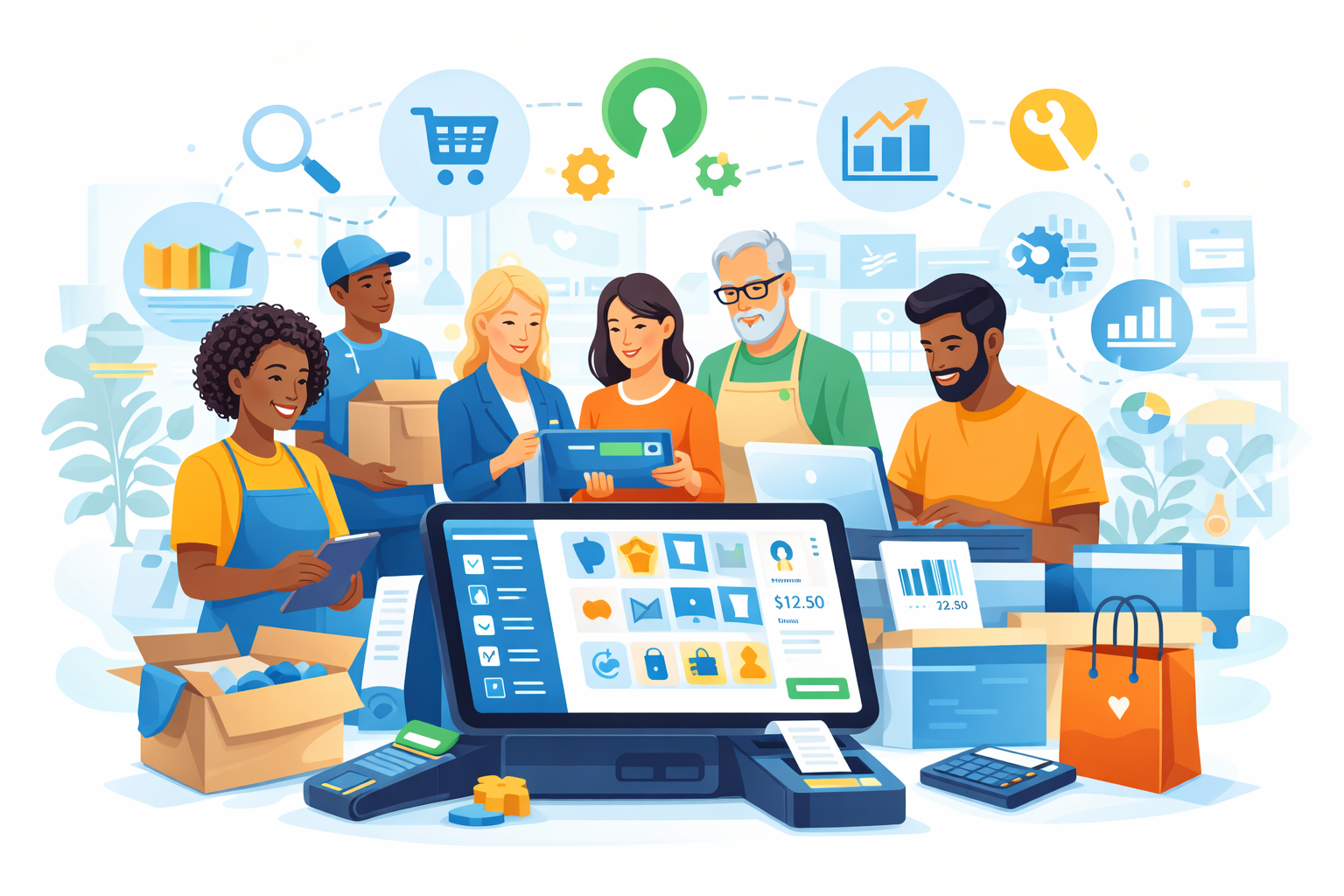
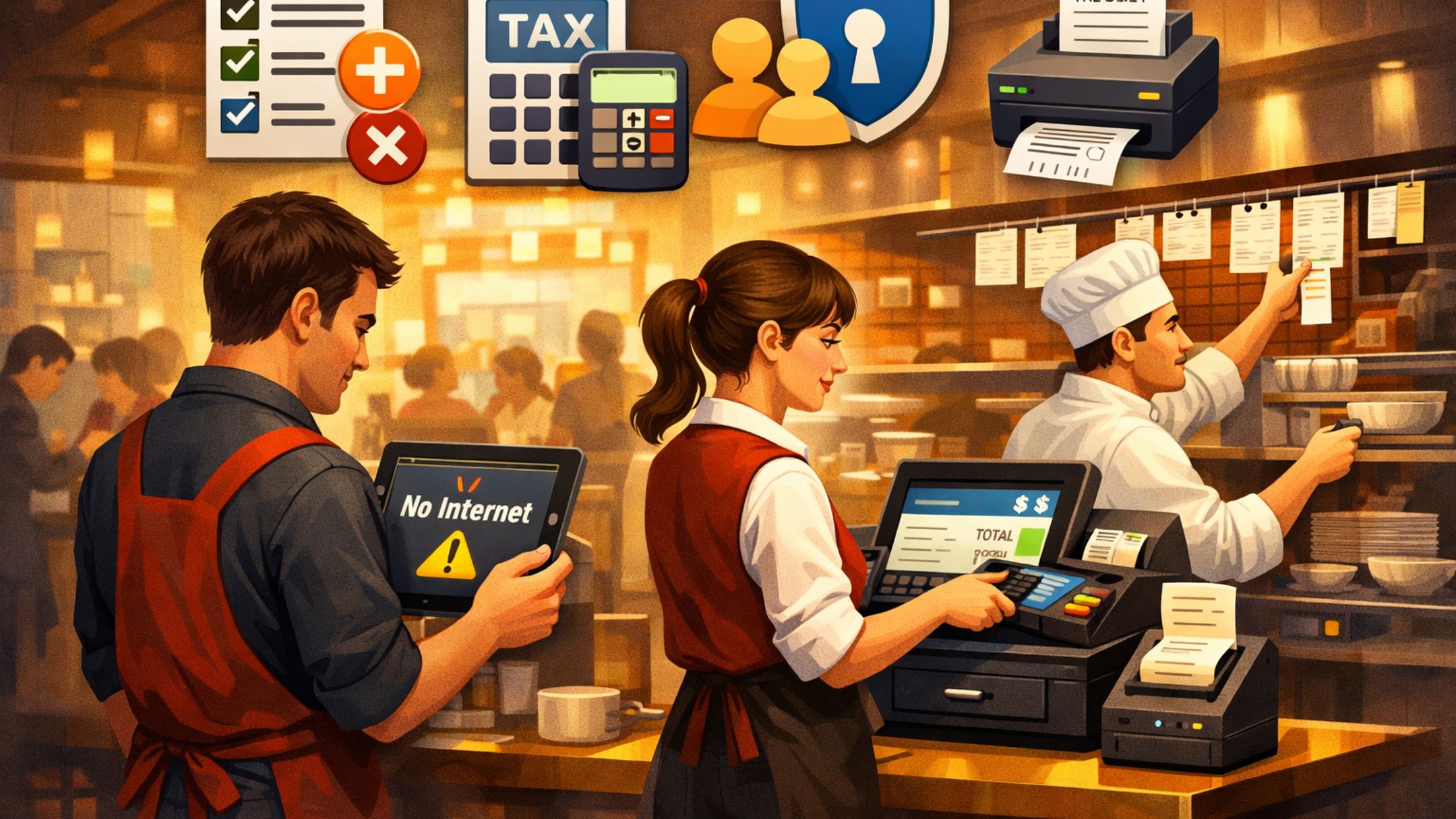
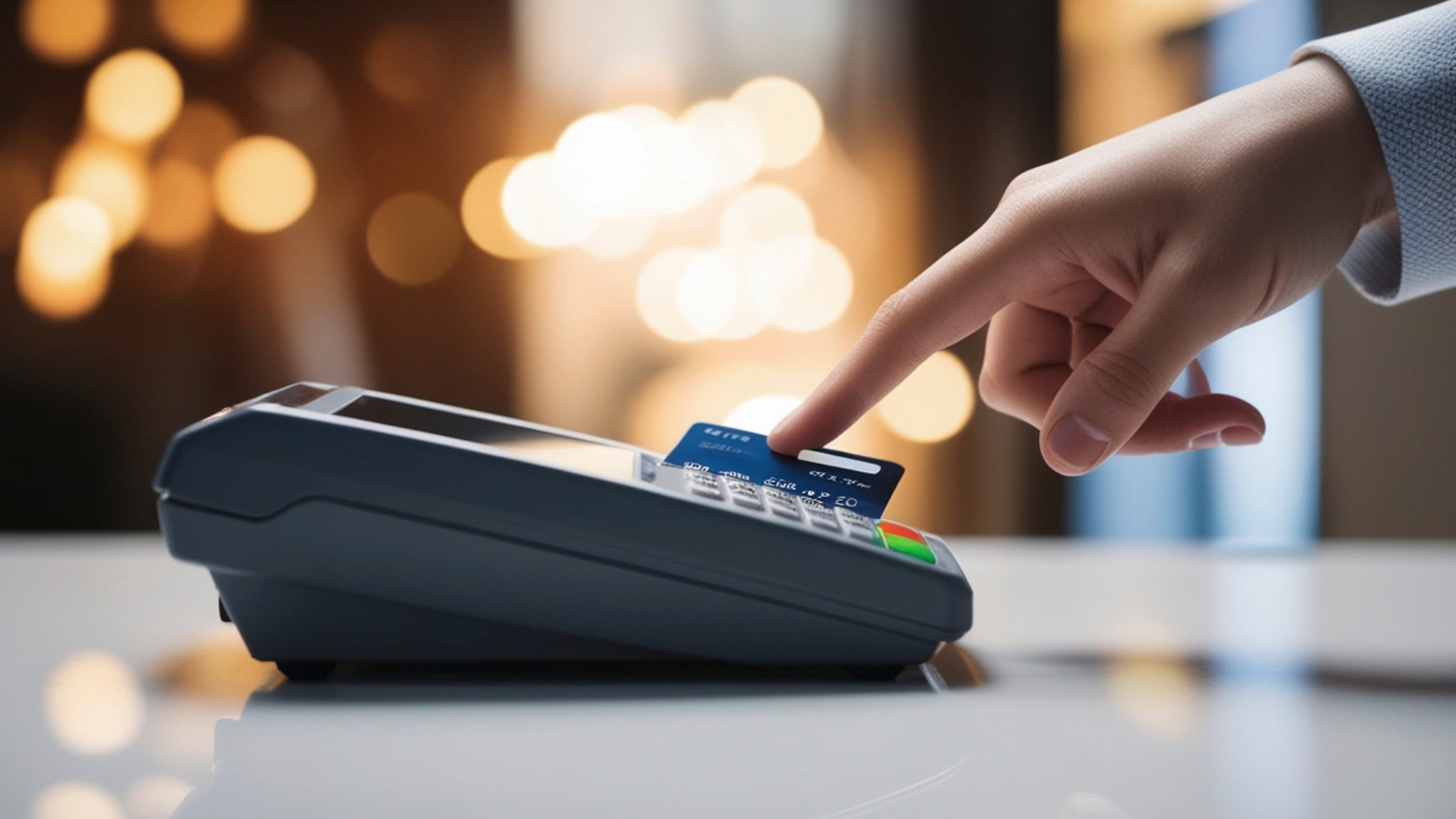
Running a restaurant means handling nonstop orders, split bills, rush-hour payments, and multiple staff shifts—all while keeping service fast. This is where a digital payment-integrated POS becomes essential. Instead of managing cash, cards, wallets, and reports across separate tools, an integrated POS brings everything into one system.
A locally installed solution like Floreant POS combines ordering, billing, and digital payments in a single workflow. As a result, restaurants process transactions faster, reduce errors, and maintain full control over sales data—even during peak hours or network interruptions.
Why Digital Payments Integrated POS Matters for Restaurants
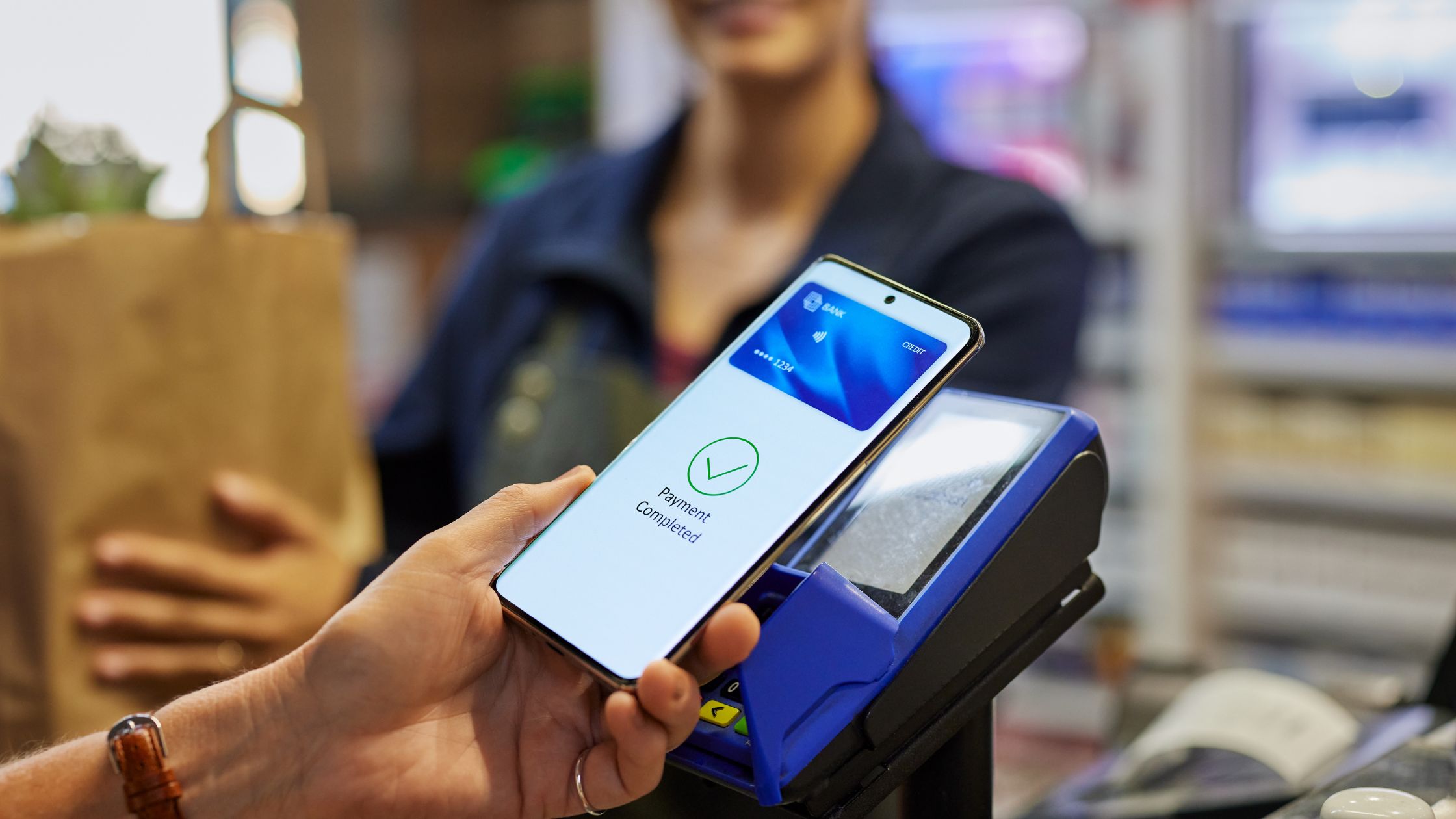
Today’s guests expect flexible payment options. If your POS does not support seamless digital payments, small delays quickly turn into long lines and frustrated customers. A properly integrated POS helps restaurants avoid:
- Slow checkout during busy service hours.
- Manual entry errors between orders and payments.
- Payment mismatches and reconciliation issues.
- Confusion with split bills or partial payments.
- Dependence on unstable internet connections.
When digital payments are fully integrated into the POS, every transaction stays connected to the order, table, and staff member. This improves accuracy, speeds up service, and keeps financial records clean. Just like restaurants must optimize kitchens for speed, they must also optimize payments for reliability and flow. Learn more about Restaurant POS in 2026.
Key Benefits of Digital Payments Integrated POS
A POS that tightly connects digital payments with daily operations improves efficiency across the entire restaurant.
1. Faster Transactions Without Extra Hardware Costs
An integrated POS processes card and digital payments directly within the billing screen. Orders flow straight to payment without re-entry. Because Floreant runs locally and avoids heavy cloud dependence, restaurants can manage payments without recurring software fees or forced upgrades.
2. Simple Training for High-Turnover Teams
Restaurants often onboard new staff quickly. When payments live inside the POS workflow, staff learn one system instead of juggling multiple tools. Cashiers process payments, servers close tables, and managers review totals—all from clearly defined screens.
3. Reliable Offline Payment Continuity
Internet disruptions can stop cloud-based systems entirely. A locally installed POS continues handling orders and tracking sales even during connectivity issues. This keeps service moving and prevents lost transactions during outages.
4. Accurate Sales, Tips, and Payment Records
With digital payments integrated into the POS, every transaction links automatically to the correct bill, table, and shift. Tips, discounts, and taxes are calculated accurately, which simplifies end-of-day reconciliation and reduces accounting confusion.
5. Support for Multiple Devices and Stations
Modern restaurants use front counters, bar stations, and kitchen terminals simultaneously. An integrated POS allows multiple devices to connect to the same database, so digital payments update instantly across the system without duplicating data or causing mismatches.
Integrated POS systems streamline transactions, improve training, ensure reliability, and simplify accounting, making them essential for modern restaurants.
How to Use Digital Payments Integrated POS Effectively
Integrating digital payments into your POS system is more than just adopting new technology—it’s about streamlining workflows and boosting efficiency. Here’s how to use it effectively:
A) Match Payment Access to Staff Roles
Different roles in your business need different payment permissions.
- Servers: Close tables and send bills.
- Cashiers: Process card and digital payments.
- Managers: Handle overrides, refunds, and reports.
- Admins: Configure payment settings.
By assigning individual logins to staff, you ensure clarity, accountability, and a clear record of transactions. This approach keeps everything organized and avoids confusion or errors during transactions.
B) Keep Payment Data and Backups Organized
Digital payment records are vital for your business, acting as key data that tracks sales and payments. Make sure to back up your POS data regularly. This helps preserve your sales history, payment totals, and reports if hardware fails or data gets corrupted. Establishing a daily backup routine is a simple but essential step in preventing major disruptions to your workflow. It ensures that your business won’t lose valuable transaction records in case of emergencies.
C) Maintain a Clean POS Network Setup
A smooth payment process starts with a well-organized and secure network. Even with digital payments, the setup matters.
- Use a dedicated POS network to avoid network congestion or interference.
- Separate guest Wi-Fi from your payment systems to keep transactions secure.
- Secure all terminals and back-office computers to prevent unauthorized access.
- Avoid connecting unknown devices to the POS network, which could introduce security risks.
By following these steps, you ensure that payment processing remains stable, secure, and reliable.
D) Review Payment Reports Regularly
Integrated payment reports provide invaluable insights into business operations. By reviewing daily summaries, you can quickly spot potential issues, such as:
- Payment mismatches.
- High refund volumes.
- Unusual void activity.
- Cash-to-digital payment ratios.
Identifying these trends early gives you the ability to take swift corrective actions, improving financial control and operational efficiency.
By following these steps, you’ll ensure that your digital payments integrated POS system works smoothly, enhances security, and provides valuable insights for smarter business decisions.
Common Mistakes With Digital Payments Integrated POS
Even strong systems fail when used incorrectly. Restaurants should avoid:
- Using standalone card machines disconnected from the POS
- Sharing staff logins during payment processing
- Skipping daily reconciliation of digital payments
- Relying entirely on internet-dependent systems
- Mixing personal devices into the POS network
Avoiding these habits keeps payment data accurate and service consistent.
Conclusion
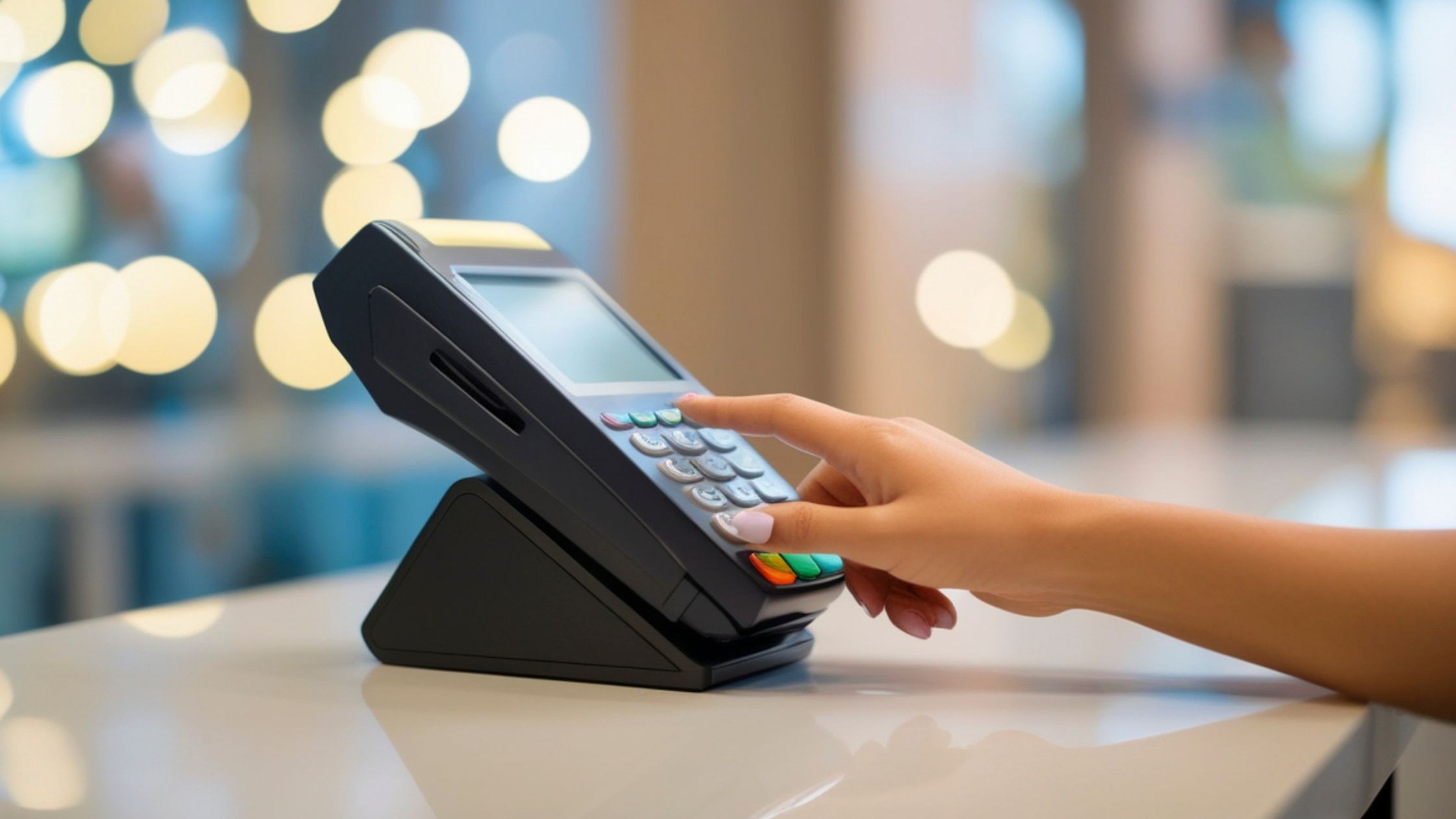
A digital payments integrated POS is no longer optional for modern restaurants. It connects orders, payments, staff actions, and reports into one reliable system. By using a locally installed solution like Floreant POS and following smart operational habits, restaurants can process payments faster, reduce errors, and maintain confidence during every shift. When payments flow smoothly, service improves, records stay accurate, and guests leave satisfied. To learn more about building efficient, reliable restaurant systems, explore Floreant POS and its approach to integrated operations.