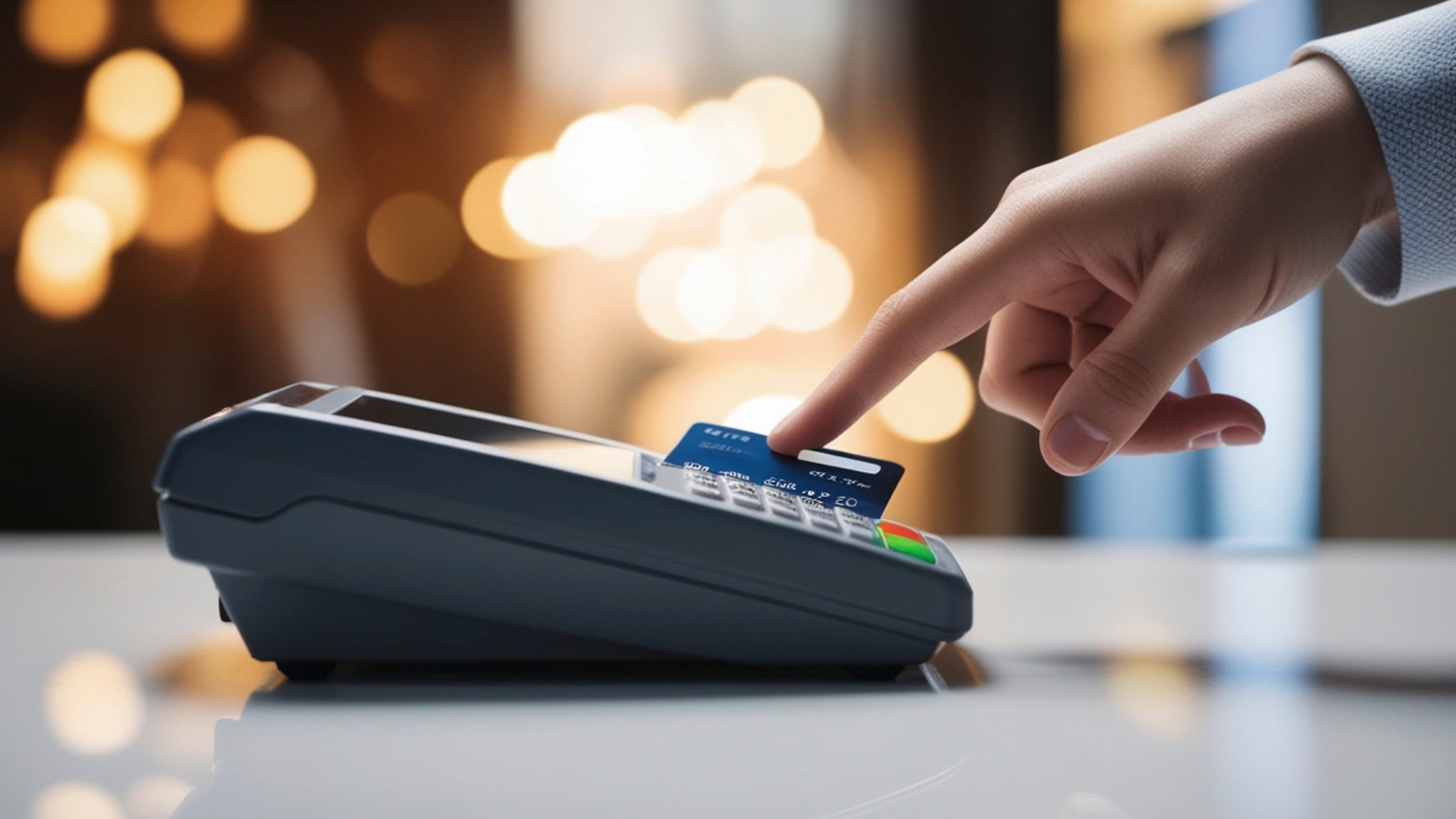
In today’s restaurant environment, data drives decisions, performance, and profitability. However, many operators still overlook who actually controls their operational data. POS data ownership defines whether restaurants retain authority over sales records, customer insights, inventory details, and operational reports. When restaurants understand pos data ownership clearly, they gain stability, transparency, and long-term control over their business systems. This article explains the concept in a structured, practical way while aligning with restaurant-focused POS realities.
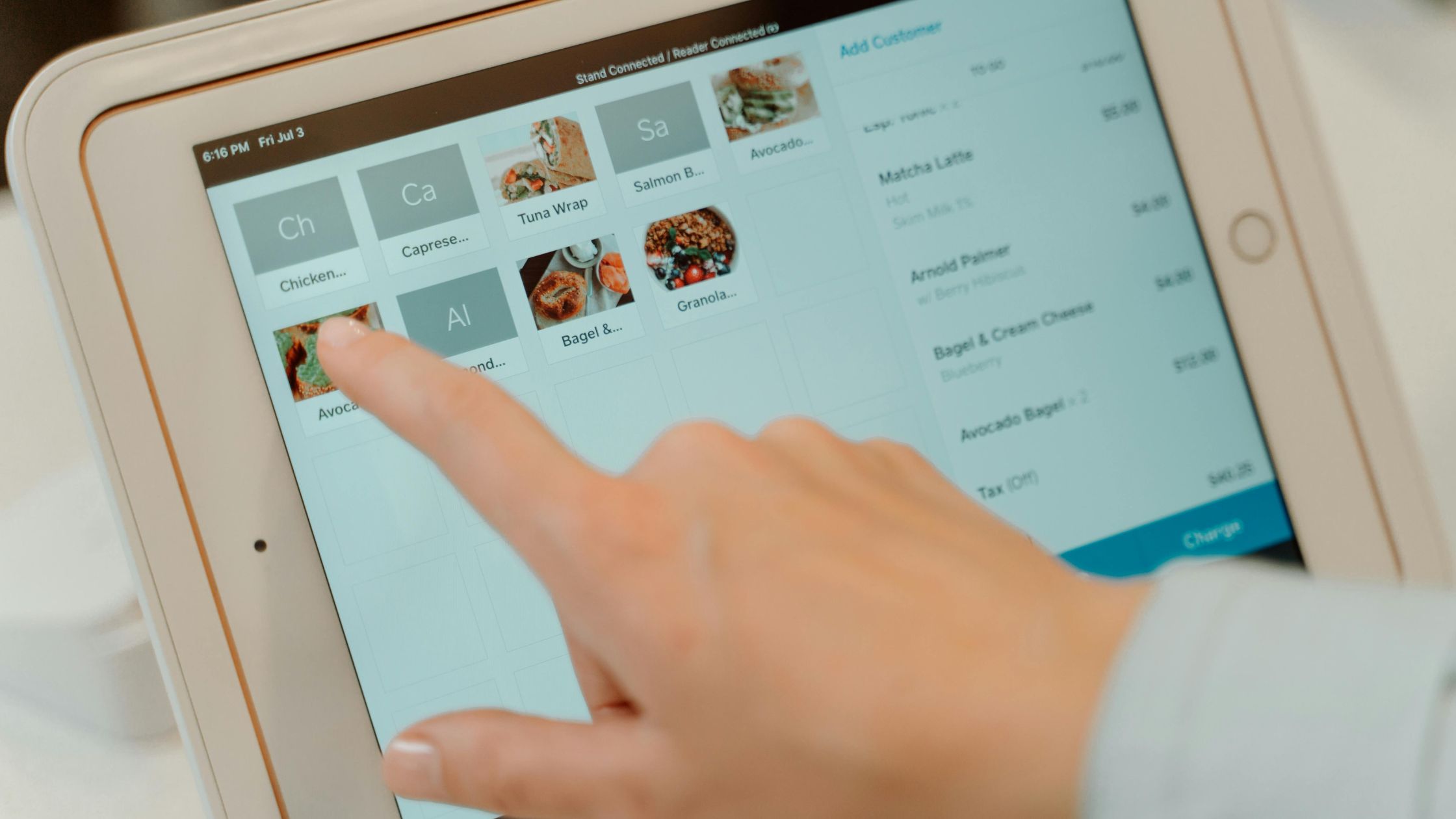
POS Data Ownership Basics
POS data ownership defines who controls, accesses, and retains restaurant data generated through daily operations. This ownership goes beyond viewing reports and includes authority over storage, exports, backups, and long-term use. It also determines who can analyze, share, or migrate data when systems change. When restaurants understand ownership clearly, they avoid confusion around rights, limitations, and operational accountability.
Many restaurants assume they own their data by default. However, POS system design, hosting models, and licensing terms often determine actual ownership. In some cases, vendors retain control over access or exports. Therefore, clarity around data control helps restaurants protect operational independence, preserve historical records, and maintain full decision-making authority.
Types of Data Generated by Restaurant POS Systems
Restaurant POS systems generate multiple data layers that directly influence daily operations and long-term planning. When restaurants understand these data types clearly, they can manage performance, efficiency, and compliance more effectively.
A) Sales Transaction Data
This data records every item sold, applied pricing, discounts, and calculated taxes. It supports accurate revenue tracking and daily reconciliation. Consequently, it forms the foundation of financial reporting and performance analysis.
B) Menu Performance Data
Menu data captures item popularity, modifier usage, and pricing effectiveness. Restaurants use these insights to evaluate which items drive margins. As a result, menu optimization becomes data-driven and more profitable.
C) Customer Interaction Data
This data includes visit frequency, ordering patterns, and preference trends. When restaurants own this data, they personalize experiences without relying on external platforms. Therefore, customer engagement and retention improve consistently.
D) Employee Activity Data
POS systems log staff logins, shift activity, and transaction handling behavior. Managers use this data to improve accountability and identify training needs. Moreover, it supports smarter labor scheduling and productivity tracking.
E) Operational Workflow Data
This data tracks order flow timing, preparation coordination, and service completion. Restaurants analyze it to identify delays and workflow inefficiencies. Consequently, service speed, accuracy, and customer satisfaction improve.
Each POS data category contributes to a clearer operational picture. When restaurants understand and control these data streams, they gain better insight, stronger decision-making ability, and improved long-term performance.

Data Accessibility vs. True Data Ownership
Understanding the difference between accessing data and owning it helps restaurants protect long-term operational control.
- Report Viewing Rights: Data accessibility lets restaurants view reports in the POS system, while true ownership allows full report extraction and independent use.
- Export and Portability Control: Accessible data often restricts export formats and transfer options, while owned data is portable and reusable without vendor limitations.
- Data Modification Authority: Access-only models restrict editing or restructuring of stored information. Ownership allows restaurants to modify and analyze data freely.
- Long-Term Data Retention: Accessible data may become unavailable after system or contract changes. Owned data remains available for future analysis and audits.
When restaurants recognize this distinction, they make informed POS decisions that protect stability, flexibility, and data security. Learn more about Restaurant POS in 2026.
Operational Benefits of POS Data Ownership
Restaurants that retain control over POS data experience several practical advantages:
- Improved reporting accuracy: Managers access complete, unfiltered data.
- Stronger operational security: Teams define access permissions internally.
- Lower long-term costs: Businesses avoid recurring access or export fees.
Because data remains accessible and consistent, restaurants improve planning accuracy and performance visibility.
Risks Without POS Data Ownership
Without clear data ownership, restaurants expose their operations to avoidable control and continuity risks.
- Vendor Lock-In Risk: Restaurants depend on provider rules for data access and usage. This reliance reduces flexibility when systems or terms change.
- Historical Data Loss: Sales and operational records may become inaccessible over time. This loss weakens analysis, forecasting, and audit readiness.
- Migration Restrictions: Limited data portability complicates POS upgrades or system changes. As a result, transitions become costly and disruptive.
By understanding these risks, restaurants can prioritize POS choices that protect data control, stability, and long-term growth.
Long-Term Value of POS Data Ownership
Over time, pos data ownership strengthens strategic decision-making by preserving access to complete and accurate historical records. Restaurants can analyze long-term sales patterns, seasonal trends, and performance fluctuations with confidence. As a result, leaders create reliable benchmarks for staffing levels, pricing strategies, and inventory planning. This continuity also supports better forecasting and reduces reliance on assumptions or short-term data snapshots.
Additionally, ownership supports business continuity and operational stability. When leadership changes, ownership transitions smoothly because data access remains uninterrupted. Likewise, when technology evolves or systems upgrade, restaurants retain their full operational history without dependency on vendors or subscriptions. Consequently, businesses protect institutional knowledge while maintaining control over future growth decisions.
Conclusion
POS data ownership empowers restaurants with clarity, control, and confidence. By retaining authority over operational data, restaurants protect daily workflows and long-term strategy. This control reduces risk, improves reporting, and supports sustainable growth. At Floreant POS, we recognize that restaurants thrive when they maintain ownership of their operational data and choose systems that align with transparency and control.

FAQs
1. What is pos data ownership in restaurants?
Pos data ownership means the restaurant controls all transaction, sales, and operational data generated by its POS system.
2. Why does pos data ownership matter for compliance?
Ownership allows restaurants to manage access, retention, and audits internally, which supports regulatory and financial compliance.
3. Can restaurants export data when they own it?
Yes, ownership enables unrestricted access and export of reports, records, and historical data.
4. Does pos data ownership affect system flexibility?
Yes, ownership improves flexibility by allowing system changes, upgrades, and integrations without data loss or restrictions.