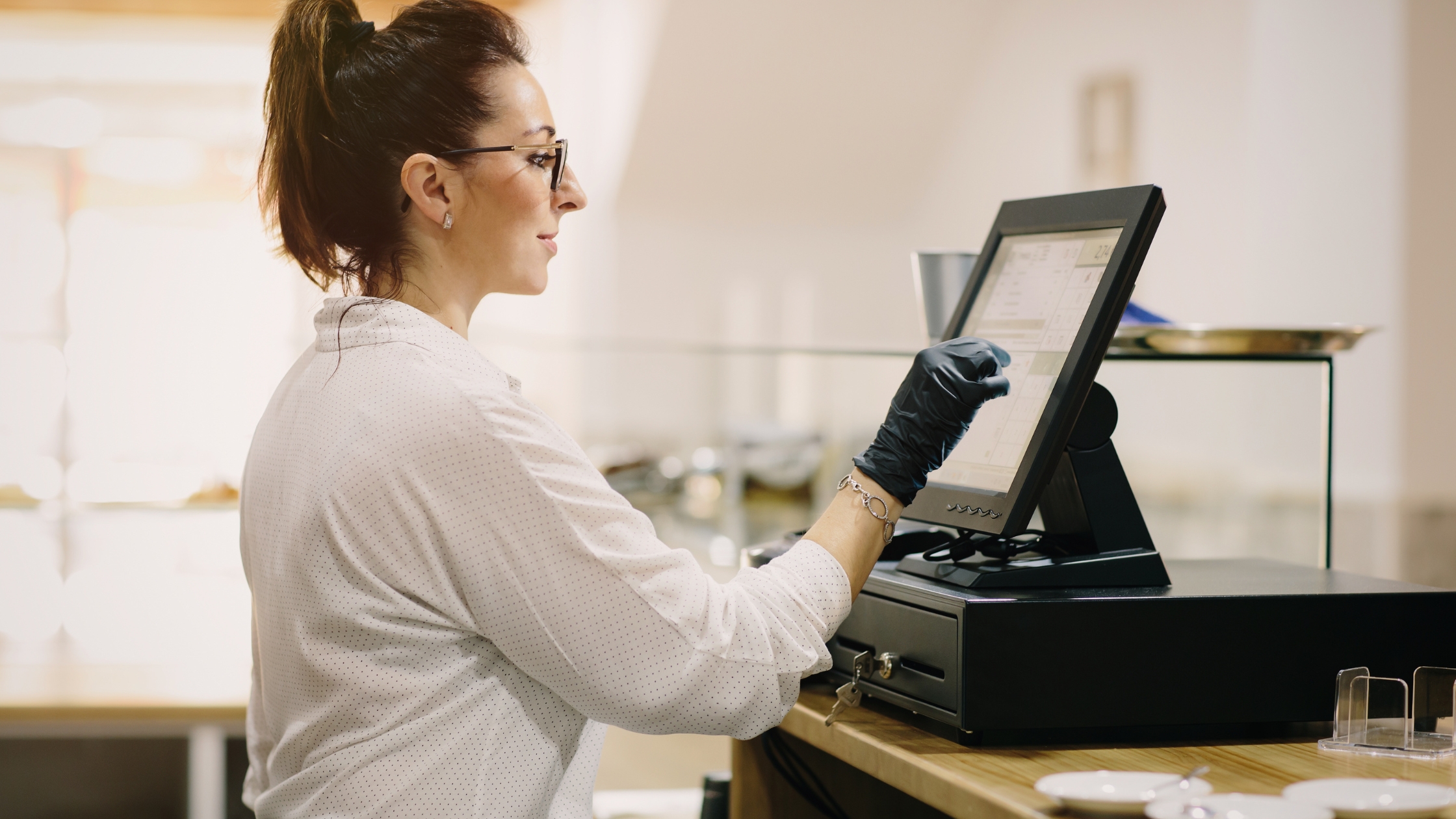
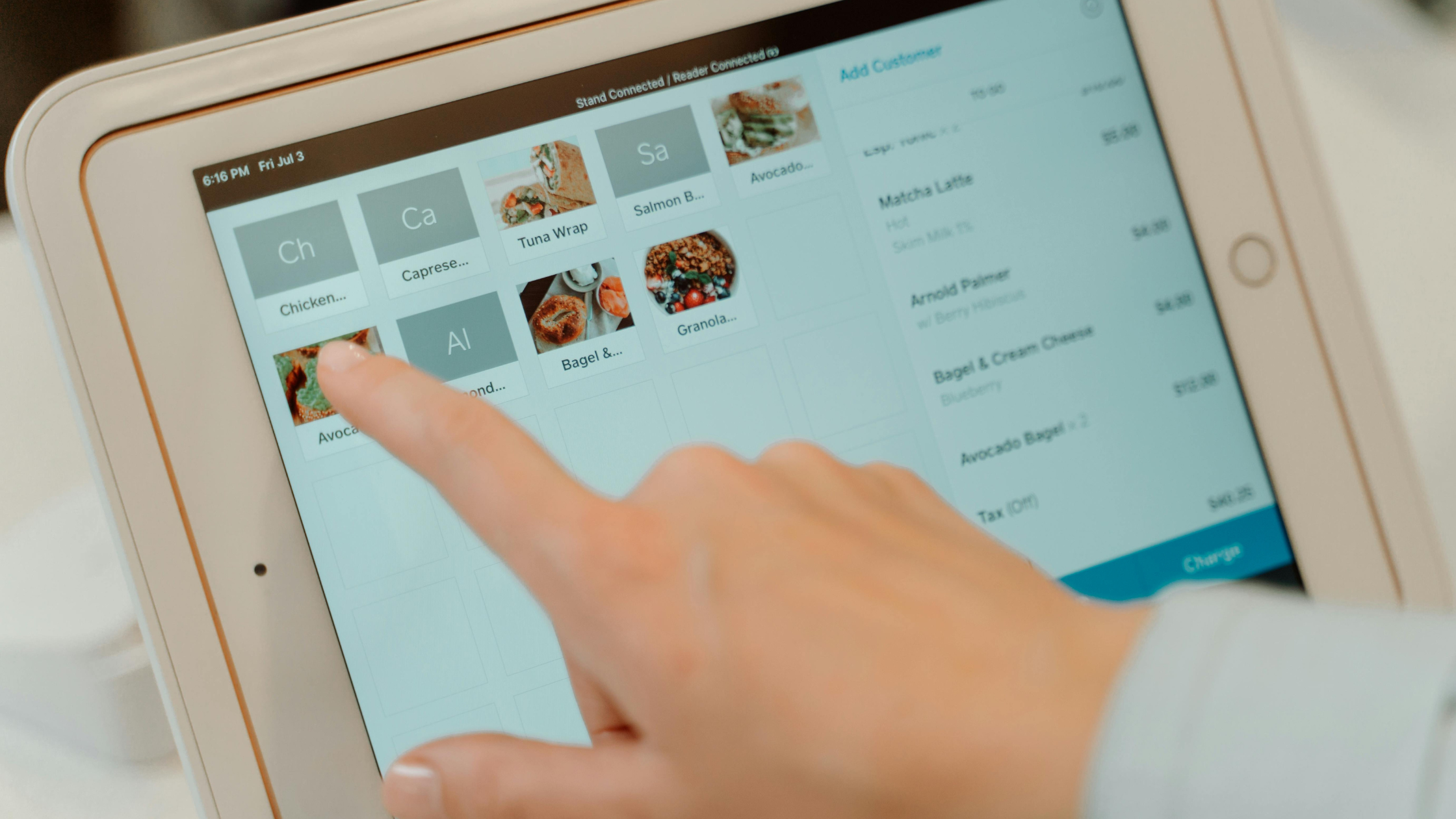
Research indicates that nearly 70% of diners will not return to an establishment if they experience excessive delays during their first visit. Consequently, mastering restaurant ticket times is not merely an operational goal but a fundamental necessity for survival in the modern hospitality landscape. Managers often struggle to maintain consistency when orders flood the kitchen simultaneously. However, you can transform your service speed by implementing structured workflows and advanced technology solutions. This comprehensive guide explores how you can eliminate bottlenecks, empower your kitchen staff, improve coordination, reduce errors, and ensure every guest receives their meal promptly and accurately every time.
The Financial Impact of Precise Ticket Management
Kitchen efficiency directly impacts revenue and brand reputation. Therefore, you must treat time management as a core part of your customer service strategy for consistent performance.
- Enhanced Customer Loyalty: Timely service boosts satisfaction, encourages reviews, and repeat visits.
- Increased Table Turnover: Faster ticket times increase table usage and overall revenue potential.
- Reduced Food Waste: Precise timing prevents remakes and minimizes food wastage significantly.
- Improved Staff Morale: Organized kitchens reduce stress, improving teamwork and employee retention.
- Data-Driven Decisions: Tracking data identifies delays and improves menu and staff efficiency.
In conclusion, precise ticket management not only improves daily operations but also strengthens long-term profitability and customer trust.
Factors Influencing Restaurant Ticket Times
Several operational elements influence how quickly orders move through your kitchen. Understanding these factors helps you identify bottlenecks and improve efficiency.
1. Kitchen Workflow Structure
A well-structured kitchen layout ensures smooth movement between prep stations. When staff know their roles clearly, they process orders faster and reduce delays. However, disorganized workflows create confusion. Consequently, orders pile up, especially during peak hours.
2. Staff Coordination
Effective communication between front-of-house and kitchen teams plays a critical role. When staff relay orders clearly, the kitchen executes them without errors. Moreover, coordinated teams handle high volumes better, ensuring consistent restaurant ticket times even under pressure.
3. Order Complexity
Complex orders naturally take longer to prepare. However, without proper systems like automated routing, even simple orders may get delayed. Therefore, managing order flow intelligently helps maintain balance and speed across all prep stations.
4. Peak Timing Impact
Peak hour rush increases order volume, stressing staff and systems. Without planning, ticket times rise and service slows. However, optimized prep stations and automated routing help maintain speed, control, and consistency.
In conclusion, addressing these factors ensures smoother operations, reduces delays, and helps restaurants maintain consistent performance even during busy service hours.
Prep Stations and Automated Routing for Faster Kitchen Flow
Prep stations and automated routing build an efficient kitchen system. Each prep station handles specific tasks like grilling, frying, or assembling dishes. When organized well, they reduce movement and improve speed. Consequently, staff complete tasks faster and maintain a steady workflow during busy hours.
Additionally, clearly defined stations prevent overlap and confusion. Therefore, teams stay focused, helping restaurants manage peak hour rush without increasing ticket times or affecting service quality.
At the same time, automated routing improves order flow. The system sends orders directly to relevant prep stations, reducing delays from miscommunication and ensuring each team handles only their tasks.
As a result, combining prep stations with automated routing reduces restaurant ticket times, improves accuracy, and creates a smoother, more controlled kitchen environment.

Strategies to Improve Restaurant Ticket Times
Improving ticket times requires a mix of technology, workflow optimization, and staff training.
- Layout Optimization: Design efficient kitchen flow, position prep stations smartly, and reduce unnecessary staff movement.
- Smart Order Systems: Use automated routing systems to send orders instantly, improving accuracy and kitchen coordination.
- Staff Training: Train staff regularly to handle pressure, improve speed, and maintain strong team coordination.
- Performance Tracking: Monitor ticket times, analyze delays, and adjust workflows to improve efficiency during peak hour rush.
In conclusion, applying these strategies helps restaurants reduce delays, improve service speed, and maintain consistent performance even during the busiest service hours.
Technology’s Role in Managing Ticket Times
Technology has become a critical driver of efficiency in modern restaurant operations. As order volumes increase and customer expectations continue rising, relying on manual processes often leads to delays, miscommunication, and inconsistent service. Therefore, restaurants must adopt integrated systems that streamline workflows and provide real-time control over kitchen activities. By aligning front-of-house and back-of-house operations through technology, businesses can significantly improve accuracy, speed, and overall service quality. Learn more about Restaurant Table Turnover.
Integrated POS Systems for Real-Time Control
Modern POS systems centralize order management, kitchen display systems, and automated routing within a single platform. As a result, orders move seamlessly to the appropriate prep stations without manual intervention, reducing confusion and ensuring each team handles relevant tasks.
Additionally, real-time tracking allows managers to monitor order progress and identify delays quickly. This visibility helps maintain consistent restaurant ticket times, even during high-pressure periods.
Furthermore, integrated systems improve communication between front-of-house and kitchen teams. By reducing reliance on verbal instructions, restaurants minimize errors, enhance coordination, and deliver faster, smoother, and more reliable guest experiences.
Common Mistakes That Increase Ticket Times
Many restaurants unintentionally create delays due to poor practices. Identifying these mistakes helps improve efficiency quickly.
- Lack of structured prep stations leads to confusion and slower workflows.
- Manual order handling increases errors and delays during peak-hour rush periods.
- Poor communication between teams disrupts coordination.
- Ignoring performance data prevents continuous improvement.
Therefore, addressing these issues helps maintain consistent restaurant ticket times and improves overall operations.
Conclusion
Restaurant ticket times determine how efficiently a restaurant operates, especially during high-pressure situations. By optimizing prep stations, implementing automated routing, and preparing for peak hour rush periods, restaurants can significantly improve speed and accuracy.
Moreover, leveraging modern POS technology ensures smooth communication and better workflow management. Businesses that focus on reducing ticket times not only serve customers faster but also enhance overall dining experiences.To build a smarter, faster kitchen system, solutions like Floreant POS provide the tools needed to streamline operations and maintain consistent performance across all service hours.